
 E-Paper



Feels like driving in reverse: Charles Assisi on going from offspring to person in charge

 Prefer HTon Google


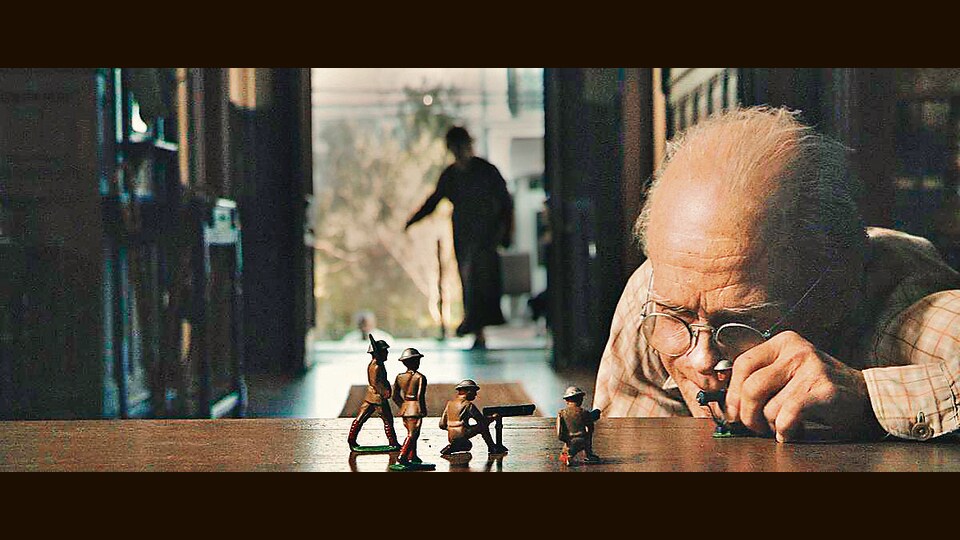
‘The shift can be disorienting for everyone, with all that it implies. It doesn’t help that no one really tells you when the baton has been passed.’
I am currently in Fort Kochi, a place by the sea that is so quiet, it’s almost unsettling.
At first, the silence was a welcome relief from the chaos of Mumbai. But in a matter of days I began to notice something else was that was tangibly missing: young people.
Most have left for places where the jobs are plentiful and the streets are bustling. Most of those that remain in Fort Kochi are older. Among them is my mother. Occasionally, as with my mother, children return to visit; they may stay for a while, sort of orbiting, but they are not here for good.
My mother is now in her mid-70s. She is still sharp, still precise, and still believes I don’t eat as well as I ought to. There is still a quiet efficiency to her. She won’t say the same thing twice.
She still isn’t one for overt displays of affection, but she will leave a bottle of water where I can reach it. Breakfast is always all the things I love. And the towels in the bathroom are the ones I once said were perfect.
Since I got here, we’ve been doing the usual rounds, of doctors, lawyers, grocers and other assorted errands and chores. I have noticed something odd at these encounters. Whether it’s a grocer, a legal aid or relatives we meet for lunch, everyone assumes I am in charge now. They wait for me to issue instructions, make decisions, order the food, read the forms.
It feels particularly strange when I am among uncles and aunts. One of these uncles, for instance taught me to ride a superbike back in the ’80s, when few people knew what one was. He bailed me out of trouble more than once, and would quietly slip me “pocket money” when my parents weren’t looking. That he prefers to step back so I can handle what needs to be done, feels almost cruel.
The irony is, they also still treat me like a child. If I speak too hurriedly, someone is sure to slow me down. If I leave food on my plate, I get a look. If I check my phone, someone will mutter, “Always glued to that thing”.
It can be trying to dwell on both sides of this adult-child line.
One afternoon, recently, I snapped. We were on our fourth trip to the store because mum kept remembering more things that had to be bought. It was raining. I was drenched. Then my UPI app failed to work, and she turned to me and testily asked why I hadn’t brought more cash.
I responded with a few terse lines and she went quiet. I regretted it instantly. But I didn’t apologise. This sat between us like a weight, for the rest of the day.
It reminded me of arguments I had seen her have with my father. And that was when it hit me. Nobody tells you when the baton has been passed. You just inherit a pile of responsibilities and, over time, realise that the new person everyone turns to… is you.
It may be in the natural order of things, but isn’t easy for anyone, this transition. The elders still see the boy you used to be: the kid who cried on the giant wheel, faked a signature on a report card, and once ate so many sweets, he made himself sick at Christmas.
Amid this role-reversal, I am realising I’m not always gracious, or methodical, in my care. I feel guilty, but there seems to be no time for a moment of catharsis. Just the next day’s list. The next drive. The next reminder, called out as you leave, to pick up turmeric.
As soon I step away, I regret my impatience. The second we’re in the same room again, we’re back to quibbling about the turmeric or something else that pushes our buttons.
Perhaps this is in the natural order of things too. But as we age, we must learn to carry the burdens our elders no longer can.
I am finding that there is no hack here. Just presence. Patience. The humility to admit when I have messed up. The strength to acknowledge to myself that there is no one to turn to for answers; that person is me.
One thing that can help, I find, in a day-to-day sense, is to use the love language she uses. Spend time together. Listen. Accept her acts of care.
Eat the dinner she’s cooked for you, even if you’re not hungry. Because if you don’t, she’ll ask what’s wrong. And no answer will make sense to either of you.
(Charles Assisi is co-founder of Founding Fuel. He can be reached on assisi@foundingfuel.com)


