
 E-Paper



From blooms to berries: Why the serviceberry tree is garden essential you’ll fall in love with

 Prefer HTon Google


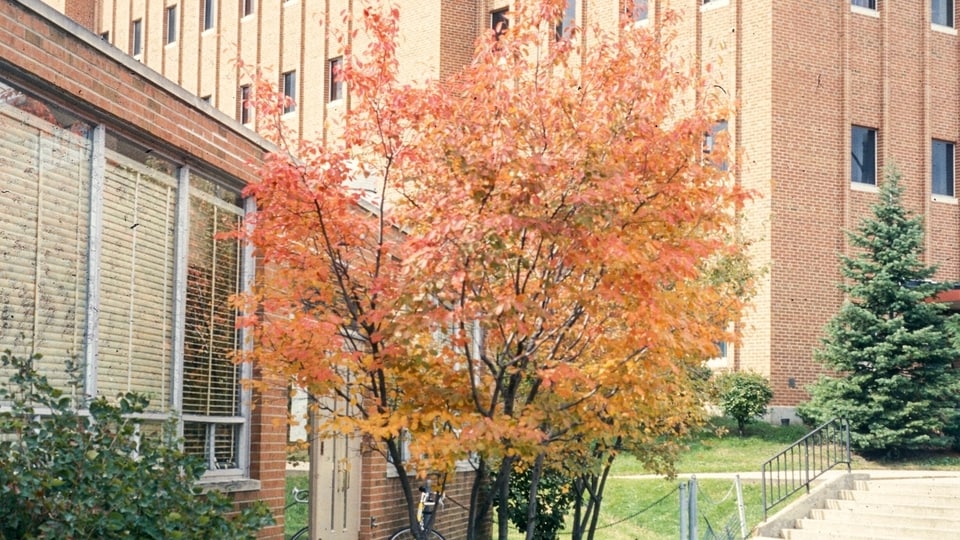
In Colonial America, harsh winters postponed funerals until spring. The serviceberry tree's blooms indicated when the soil softened for burials.
Winters were brutal throughout most of New England inf Colonial America. It snowed a lot, often into spring, and there were no radiators (or antibiotics). Many settlers didn’t survive the season, but because the ground was frozen solid, the colonists couldn’t bury their dead in real time. Funerals had to wait until the spring thaw. Plants, however, don’t follow calendars. They grow, bloom, fruit and go dormant on their own schedules, dictated by the weather. The settlers knew this, so they watched one specific tree — Amelanchier — for cues: When its white flowers were in bloom, it meant the soil was soft enough to dig graves.
Preachers then went from settlement to settlement to perform funeral services, earning the harbinger tree its common name: serviceberry. Or so the story goes. (True or not, it’s the more interesting of the two bits of lore about the tree, which is also sometimes called shadbush or shadblow because its blooms coincide with the shad fish’s migratory season.)
Because it’s one of the earliest spring bloomers, the serviceberry is an important food source for bees, butterflies and other pollinators. Later, its berries sustain dozens of bird species and mammals, including humans, who can make them into jams, jellies and even serviceberry wine. There are more than 20 species of the North American native tree, which is sadly underused if you ask me. Here are four favorites.
Allegheny serviceberry (Amelanchier laevis)
An early-blooming, 15-to-25-foot-tall woody shrub or multi-stemmed tree native to Eastern North America. Its delicate white flowers bloom in April before leaves appear, and small, edible red berries, which mature to purple, appear in June. In fall, the tree’s foliage turns a brilliant orange-red, and its gray bark provides lovely winter interest, giving it true four-season appeal. Plant it in part sun or shade in moist, well-draining soil. It does not tolerate salt or drought well. Hardy in zones 4-8.
Amelanchier canadensis (Canadian or Eastern serviceberry)
This tree has similar attributes, minus the gray bark, and grows to 15-to-20-feet tall. The Eastern North American native is often found in swampy areas, but can tolerate somewhat sunnier and drier sites than the Allegheny species. Hardy in zones 4-7.
Amelanchier arborea (downy serviceberry)
Reaches heights of 15-25 feet, and is notable for its large berries and sun tolerance, although it will also thrive in shade. Its native range spans from Eastern North America west to Quebec and Nebraska. Hardy in zones 4-9.
Amelanchier utahensis (Utah or Western serviceberry)
Among the most drought-tolerant of the bunch. Native from Montana south to Texas and west to the Pacific Coast, it reaches 6-15 feet tall and displays yellow fall foliage. Hardy in zones 5-8.
Growing tips
Multi-stemmed, shrubby varieties can be trained to grow as trees by pruning away all but one (preferably straight) central trunk when the plants are young. All varieties tend to sucker (sending up small shoots), some more than others; leave them be to grow a shrubby screen or cut them at ground level as needed (once or twice annually) to maintain a tidier appearance.
Either way, Amelanchiers will service your garden well.


