
Sign in

Journey of Zardozi: Wall art can be opulent too, says artist whose Zardozi painting was gifted to PM Narendra Modi

Embroidered Zardozi is a language that echoes of art, design, heritage, culture and Indian roots and history. Read more to learn about its modern escape!

Published on: Jun 26, 2025, 17:43:05 IST
Share
Share via
  • facebook
  • twitter
  • linkedin
  • whatsapp
Copy link
  • copy link

There’s something about Zardozi that instantly signals richness. Historically stitched into the robes of royalty and bridal finery, the embroidery form has long been associated with celebration and ceremony. But now, this craft, once confined to fabric, is showing up elsewhere. In frames, on walls, and as standalone panels, Zardozi is shifting gears, finding a place in living rooms, art collections, and contemporary interiors. This piece looks at how Zardozi embroidery is evolving beyond cloth and into a new visual language for the home.
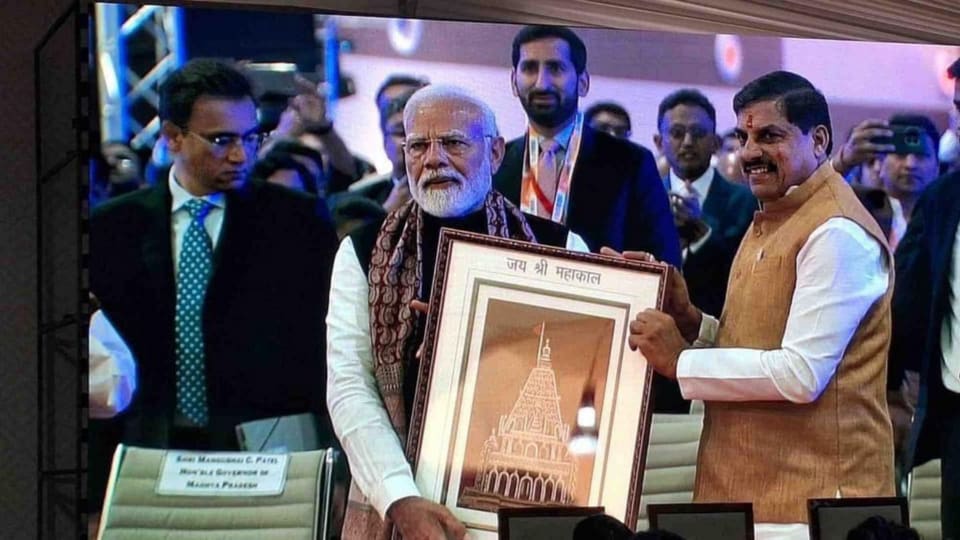
A handcrafted Zardozi panel of the Mahakal temple finds pride of place as Madhya Pradesh’s Chief Minister presents it to Prime Minister Narendra Modi — a quiet nod to India’s living craft traditions. (Tajwar Khan)
Neha Ravi Khandelwal

Neha Khandelwal
Content Lead, HT Travel | Travel & Lifestyle Journalist
With over 10 years of content writing experience, Neha Khandelwal is a lifestyle journalist and the Content Lead at HT Travel. She specialises in destinations, hotels, aviation, luggage, travel gear, and practical guides that help readers plan smarter and travel better. Her work combines first-hand experience, expert insights, and extensive research to create stories that are informative, useful, and easy to follow.

Career Journey & Experience
Neha began her writing career as a freelance journalist in 2010 before entering mainstream media with The Times of India in 2022. She later joined Hindustan Times, where she has written extensively across travel, lifestyle, home, and consumer trends. Her professional background extends beyond journalism. Before moving into digital media full-time, she spent nearly a decade in interior design, managing residential projects from concept to execution. She also trained in visual merchandising with Shoppers Stop and Pantaloons and worked with women-led startups across design and operations. These experiences continue to shape her storytelling, especially in how she evaluates hotels, design-led stays, hospitality spaces, and travel experiences.

A naturally curious learner, Neha has completed beginner certifications in pottery, scuba diving, baking, creative writing, and other creative pursuits. She has read more than 2,000 books, trained in Bharatanatyam for 8 years, and ghostwritten a book on Ladakh tourism.

Subject Expertise
Travel is at the heart of Neha's work. She covers destinations, hotels, airlines, luggage, packing strategies, travel accessories, and emerging travel trends through a mix of reporting, product testing, and conversations with industry experts. A frequent traveller herself, she approaches every trip with a journalist's curiosity and a planner's mindset, focusing on experiences that readers can realistically recreate. From choosing the right cabin bag to decoding hotel openings and destination trends, her writing prioritises practical advice over promotional claims. Her background in interior design also gives her a distinct perspective on architecture, hospitality design, boutique hotels, luxury stays, and thoughtfully designed spaces.

Education & Professional Background
Neha holds a Master's degree in Interior Design. Her early experience in interior design, visual merchandising, and design operations gives her a unique understanding of aesthetics, functionality, and user experience, adding depth to her coverage of hotels, resorts, and travel spaces.

Editorial Philosophy
"As an avid, research-driven traveller, my goal is simple. To answer the questions you actually have before booking a trip. I cut through the promotional noise with honest reporting and expert insights. Making travel planning seamless, smart, and reliable so you always know where to go next."

Read moreRead less

Historical tapestry: Roots in opulence

Zardozi’s story begins with Persian roots and blossoms under Mughal patronage in India. Its golden era featured heavy silks, brocades, velvets and the use of real gold and silver thread, often paired with pearls and semi-precious stones. This was the embroidery of emperors, of ceremonial grandeur and artistic excess. As monarchies dissolved and industrial textiles took over, Zardozi slowly lost its prime place in wardrobes, relegated to the occasional wedding trousseau or boutique ensemble. But some crafts don’t go quietly, and Zardozi had more to say.

The modern renaissance: A new canvas

There’s a growing shift in how we see art. Embroidered art no longer has to be wearable to be valued. And Zardozi, with its glimmering surfaces and tactile depth, has found a new identity beyond clothing. Artists and designers today are treating Zardozi like sculpture. Intricate panels that hold light, texture and memory all at once.


“Zardozi, at its heart, is about storytelling through thread,” says designer Tajwar Khan of Zee’s by Tajwar Khan. “What’s exciting now is seeing how beautifully these stories can unfold not just on fabric, but on a canvas meant for display. It’s proof that this technique still has room to grow and surprise us.”

The artist's brand has become known for zardozi wall art, some of which has reached global platforms and prestigious homes. One of her embroidered panels of the Mahakal temple was recently presented to Prime Minister Narendra Modi by Madhya Pradesh CM Dr. Mohan Yadav.

It is a quiet reminder of how far traditional techniques can travel when recontextualised. The modern appeal lies in the blend. Zardozi wall art adds that unmistakable shimmer, texture and handwork that machine-made decor can’t replicate. In a world where walls are increasingly becoming gallery spaces, this art form steps in with character and clarity.
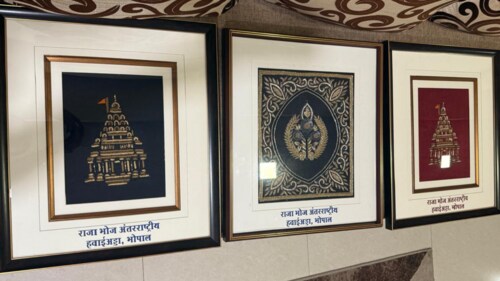
When thread becomes texture and shimmer becomes art — a collection of Zardozi wall panels capturing stories, tradition and time in each stitch. (Tajwar Khan)

Crafting beyond cloth: Technique and artistic expression

The move from fabric to frame isn’t seamless, though. The essence of Zardozi still relies on cloth. It is the only way to fix it onto an adda (embroidery frame) and get the needlework just right. But for wall art, the choice of cloth becomes more functional than fluid.

“The base always remains fabric,” says Tajwar, “but it has to be sturdier to carry the weight of the embroidery and to last longer as wall decor. Velvet, raw silk and even chenille work beautifully. But flowy fabrics like chiffon, crepe or modal silk are a strict no for framed pieces.”

Zardozi relies on metallic threads, beads and layering techniques that give it its signature three-dimensionality. When mounted on rigid surfaces, these elements play with light differently, often resembling sculpted motifs more than flat embroidery. The gold glints, shadows deepen, and what you get is an artwork that behaves almost like a low-lit chandelier. Quietly extravagant.

Challenges and the way forward

Zardozi’s revival doesn’t come without its pressures. There’s the tightrope of keeping its roots intact while also adapting it for a modern audience. Fair wages for artisans, maintaining quality in scale, and keeping the younger generation invested in slow, labour-intensive craft are all real concerns.

Yet, there’s also optimism. “We’re seeing Indian handwork now being appreciated globally. Not just as textile, but as high art,” says Tajwar Khan. “The shift is happening. And platforms like destination boutiques and craft-led government initiatives are giving voice to those who create but often go unheard.”
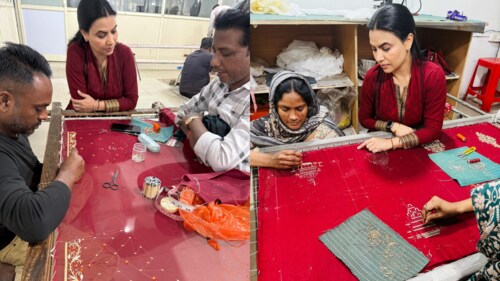
Zardozi thrives in shared hands — a rare space where both men and women craft together, tied by tradition, skill and silent collaboration. (Tajwar Khan)

5 ways you can include Zardozi in your home decor

1. Framed wall art: Go for a single zardozi embroidery motif or an elaborate panel as a focal point in your living room or entryway.

2. Accent cushions: Swap out plain covers for velvet or raw silk cushions with Zardozi detailing to add depth and shimmer.

3. Table runners or placemats: A subtle way to add texture and tradition to your dining space without going overboard.

4. Upcycled pieces: Turn old Zardozi borders from sarees or dupattas into framed art or use them as trims on soft furnishings.

5. Mirror or photo frame inlays: Small touches of Zardozi on wooden or fabric-covered frames can bring a touch of craft into everyday corners.

Why vintage decor is making a comeback: Textile museum designer Ravisha Merchant weighs in

Best mattresses for a peaceful and comfortable sleep; Here are our top 8 picks for you

Mattress matters: Find your dreamy match made in heaven; Nap like a champ!

FAQAsk HT

Zardozi: FAQs

The author of this article holds a Master's Degree in Interior Design and has spent over a decade in research, teaching, and designing homes from scratch.

Disclaimer: At Hindustan Times, we help you stay up-to-date with the latest trends and products. Hindustan Times has an affiliate partnership, so we may get a part of the revenue when you make a purchase. We shall not be liable for any claim under applicable laws, including but not limited to the Consumer Protection Act, 2019, concerning the products. The products listed in this article are in no particular order of priority.

  • Neha Khandelwal
    ABOUT THE AUTHOR
    Neha Khandelwal

    Neha Khandelwal Content Lead, HT Travel | Travel & Lifestyle Journalist With over 10 years of content writing experience, Neha Khandelwal is a lifestyle journalist and the Content Lead at HT Travel. She specialises in destinations, hotels, aviation, luggage, travel gear, and practical guides that help readers plan smarter and travel better. Her work combines first-hand experience, expert insights, and extensive research to create stories that are informative, useful, and easy to follow. Career Journey & Experience Neha began her writing career as a freelance journalist in 2010 before entering mainstream media with The Times of India in 2022. She later joined Hindustan Times, where she has written extensively across travel, lifestyle, home, and consumer trends. Her professional background extends beyond journalism. Before moving into digital media full-time, she spent nearly a decade in interior design, managing residential projects from concept to execution. She also trained in visual merchandising with Shoppers Stop and Pantaloons and worked with women-led startups across design and operations. These experiences continue to shape her storytelling, especially in how she evaluates hotels, design-led stays, hospitality spaces, and travel experiences. A naturally curious learner, Neha has completed beginner certifications in pottery, scuba diving, baking, creative writing, and other creative pursuits. She has read more than 2,000 books, trained in Bharatanatyam for 8 years, and ghostwritten a book on Ladakh tourism. Subject Expertise Travel is at the heart of Neha's work. She covers destinations, hotels, airlines, luggage, packing strategies, travel accessories, and emerging travel trends through a mix of reporting, product testing, and conversations with industry experts. A frequent traveller herself, she approaches every trip with a journalist's curiosity and a planner's mindset, focusing on experiences that readers can realistically recreate. From choosing the right cabin bag to decoding hotel openings and destination trends, her writing prioritises practical advice over promotional claims. Her background in interior design also gives her a distinct perspective on architecture, hospitality design, boutique hotels, luxury stays, and thoughtfully designed spaces. Education & Professional Background Neha holds a Master's degree in Interior Design. Her early experience in interior design, visual merchandising, and design operations gives her a unique understanding of aesthetics, functionality, and user experience, adding depth to her coverage of hotels, resorts, and travel spaces. Editorial Philosophy "As an avid, research-driven traveller, my goal is simple. To answer the questions you actually have before booking a trip. I cut through the promotional noise with honest reporting and expert insights. Making travel planning seamless, smart, and reliable so you always know where to go next."Read More

Explore the latest Lifestyle News on health, fashion, travel, relationships, food and festivals. Find useful tips, expert advice, trends and inspiring stories for everyday living.