
 E-Paper



A whirlwind food tour: Vir Sanghvi lists stellar restaurants of 2025

 Prefer HTon Google


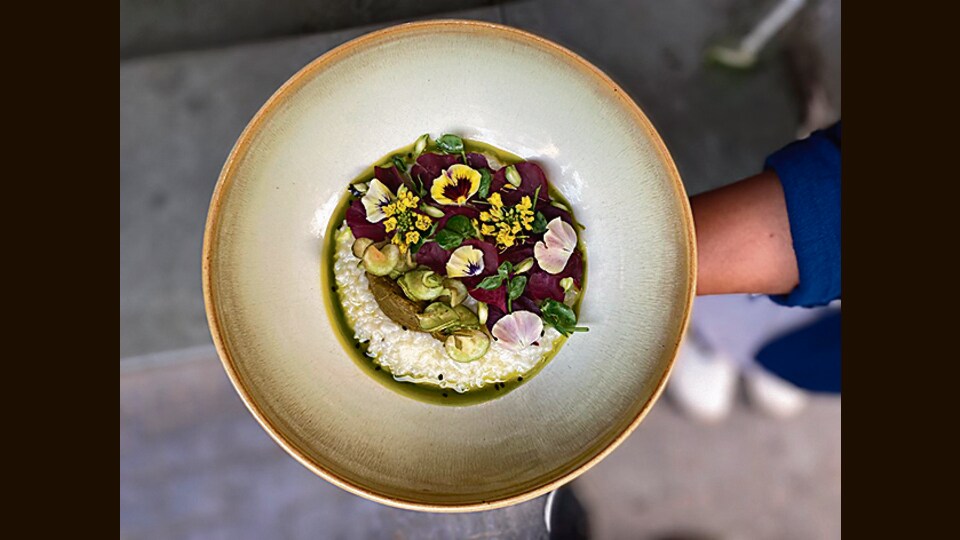
Bengaluru, Bangkok, Dubai, Kolkata: Those that stand out reimagine cuisines, break boundaries, prove that there are always new frontiers to explore.
It’s been a so-so year for restaurants. Nothing really precedent-shattering opened. Very few restaurateurs took chances. And chefs appeared to fade out and the focus shifted to bartenders, as more and more bars pretended to be restaurants.
This year’s list, like last year’s, features some of the most talked-about Indian restaurants in the world and some of the most interesting ones in India.
Gaggan, Bangkok: Still the most-watched Indian chef in the world, Gaggan Anand had us talking about him for two different reasons. His much-publicised spat with Michelin, which saw his restaurant leave the star rating category (despite being voted Best Restaurant in Asia by 50 Best) ended with Gaggan returning to the list. And the Indian food world is agog with speculation that he will finally open a restaurant in Delhi this spring.
Tresind Studio, Dubai: This was the year when an Indian restaurant finally made dramatic Michelin history. Tresind Studio became the first and only Indian restaurant in the world to win three Michelin stars, a distinction that had foodies cheering and rival restaurateurs weeping. The stars are a tribute to chef Himanshu Saini’s dedication and to founder Bhupendra Nath’s belief in him.
There will be two new Tresinds soon, one each in London and the US.
Sienna, Kolkata: The best way to eat well in Kolkata, it has long been said, is to eat at home. Sienna is the restaurant that has proved the aphorism wrong. Starting out as a café above a shop, it has grown into a full-fledged eatery. Its two chefs, Avinandan Kundu and Koyel Roy Nandy, pull brilliant dishes out of their imaginations and break the boundaries that divide cuisines from each other.
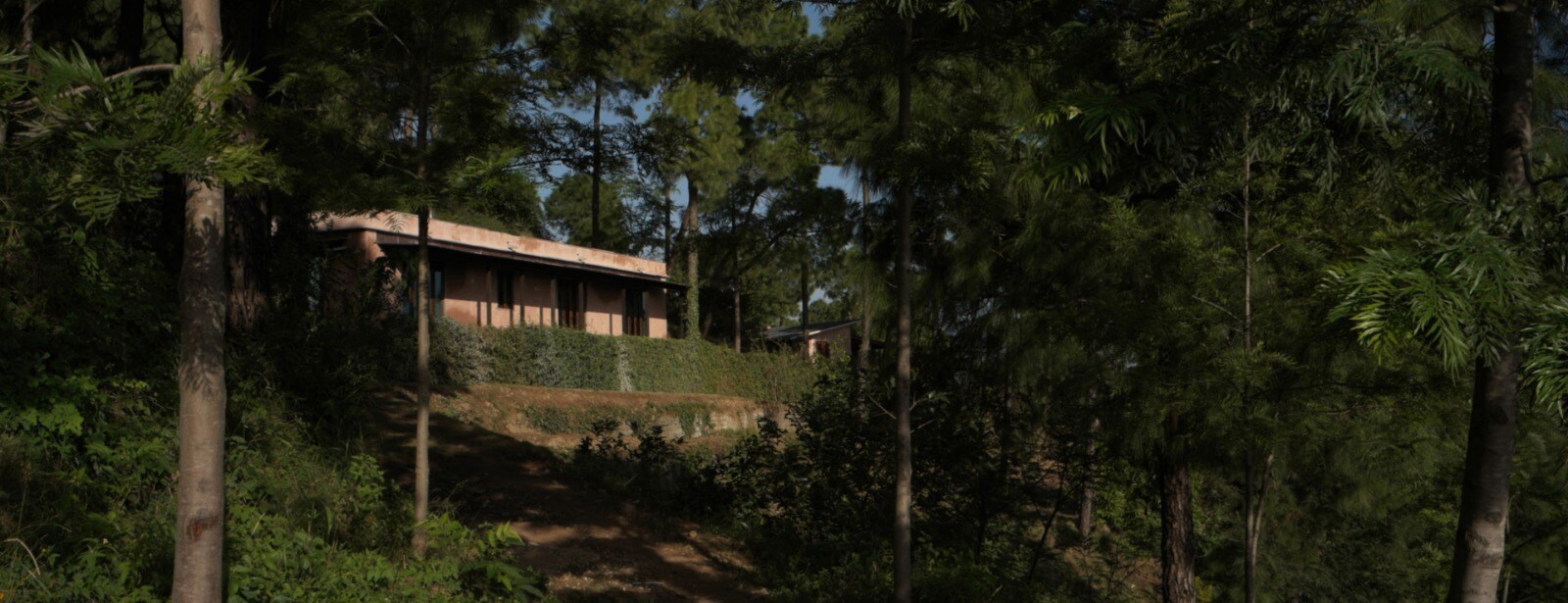
Naar, Himachal Pradesh: I used to say that more Indians have interned at Copenhagen’s legendary Noma than have ever eaten there. You could say something similar about former Noma intern Prateek Sadhu’s Naar. Though relatively few people have made the arduous trek to its distant location in Kasauli, many more have eaten the food, as Sadhu has travelled the world cooking Naar’s menu at pop-ups.
He is a gifted chef and Naar has become a desi Noma in the sense that even people who will never go there are familiar with the food.
The Table, Mumbai: It is always wonderful when a familiar restaurant starts firing on all cylinders. The Table is a Mumbai institution, but ever since its opening chef Alex Sanchez left to start his own food empire, the kitchen has limped along. Now, under the American Will Aghajanian, the food is so good that the restaurant is being talked about all over again. Kaspers, a sister establishment, has also opened in Bandra.
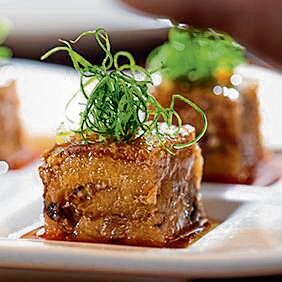
Naru Noodle Bar, Bengaluru: It’s an idea so outrageous that I am still amazed by how much of a craze it has become. Kavan Kuttappa loves ramen and decided to open a tiny noodle bar dedicated to serving the best noodles he could make. The restaurant took off because he cut no corners. His noodles are totally authentic and his broth has more flavour and depth than you could possibly imagine.
It is Bengaluru’s hottest reservation; a place almost impossible to get into.
Jamavar, London: It isn’t easy to win international recognition with classic Indian food, but Jamavar (which grew out of the Leela hotel restaurants of the same name) has done the seemingly impossible. Its flagship in London’s Mayfair is always packed, but more significantly, Jamavar is the only Indian brand to have won Michelin stars for outposts in three different cities: London, Doha and Dubai.
Comorin, Mumbai: Originally, this was meant to be the more outgoing, suburban sibling of Indian Accent; larger, noisier but with the same sort of food.
It still is all that, but the food has developed a distinctive character. A Mumbai version opened to huge success and, in a couple of years, there will be Comorins all over India.
Because the first Comorin opened in Gurugram, they never opened one in Delhi. That gap may be filled when Manish Mehrotra, the original founding chef, opens his own restaurant near Sunder Nursery in a couple of months.
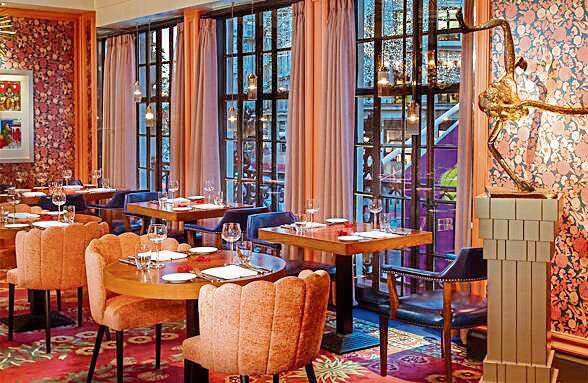
Veeraswamy, London: It’s been an exciting year for the oldest surviving Indian restaurant in the UK. First, the Crown Estate, its landlord, tried to evict it from its historic location, leading to an international uproar. Then its owners, Namita Panjabi, Ranjit Mathrani and Camellia Panjabi, sold their restaurant group to respected Indian-origin billionaire Prem Watsa, whose interests include the Bengaluru airport and travel agency Thomas Cook.
Let’s see what the future holds.
Semma, New York: When it first opened, I thought it was just another restaurant in Roni Mazumdar and Chintan Pandya’s Unapologetic Foods stable, which already included the brilliant Dhamaka.
But Semma’s success has defied all expectations. It is the only Indian restaurant in New York with a Michelin star. Vijay Kumar, its shy, unaffected chef, has become a star, honoured around the world, most recently by La Liste in Paris.
Who would have thought that a relatively simple eatery that served fiery South Indian food would become one of the hardest tables to book in one of the premier food cities in the world?
(To write in, email vrsanghvi7@gmail.com. The views expressed are personal)


