
 E-Paper



Quote of the day by Dr Martin Luther King Jr: ‘Hate cannot drive out hate, only love can do that’

 Prefer HTon Google


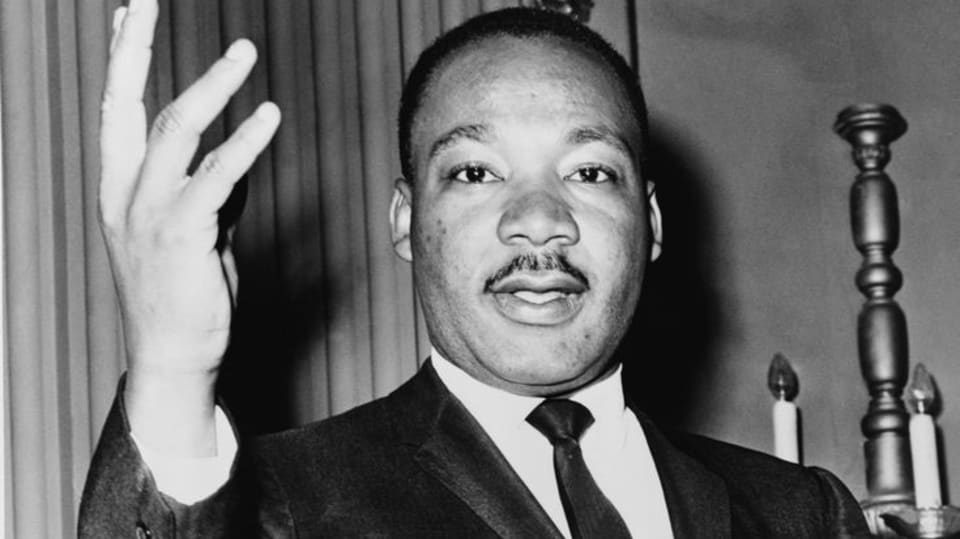
Martin Luther King Jr’s words highlight the power of love over hate, reminding us that only light can overcome darkness. Read his famous quote.
Today’s quote of the day is “Darkness cannot drive out darkness: only light can do that. Hate cannot drive out hate: only love can do that.” It comes from the Reverend Dr Martin Luther King Jr., one of the foremost leaders of the American civil rights movement and a tireless advocate for justice and nonviolence. These powerful words appear in his 1963 sermon “Loving Your Enemies”, later published in his influential book Strength to Love, a collection of sermons focused on the spiritual and ethical grounding of the struggle against racial segregation and oppression.
King delivered portions of this sermon from the pulpit of Dexter Avenue Baptist Church and other venues during a period of intense civil rights activism, as he sought to articulate a moral philosophy capable of sustaining a movement rooted in peaceful resistance. In addressing the pervasive violence, hatred and systemic injustice faced by African Americans, King emphasised that responding with hatred only worsens the very darkness one hopes to dispel - a message that became a defining moral stance of his leadership.

What the quote means
At its heart, this quote distils King’s belief in “agape” - a selfless, unconditional love meant to transform rather than retaliate. When King states that “darkness cannot drive out darkness; only light can do that,” he is using light as a metaphor for understanding, compassion and truth, arguing that negative forces can never be overcome by more negativity. Likewise, “hate cannot drive out hate; only love can do that” asserts that hatred can only breed further hatred and suffering, creating a cycle of pain and retribution.
He believed that true progress and reconciliation require responding to injustice not with bitterness or vengeance, but with courage and love - a principle drawn from his Christian faith and his study of nonviolence. King saw love not as passive sentimentality, but as an active force capable of dismantling deeply entrenched prejudice and animosity, breaking cycles of retaliatory violence and opening space for healing and justice.
Why this quote is relevant today
Even six decades after King first articulated these words, they remain strikingly relevant in a world still plagued by division, conflict and polarisation. In societies grappling with political acrimony, racial tensions, social inequality and global unrest, it can be all too easy to respond to fear with hostility and to react to disagreement with contempt. King’s message challenges us to resist the instinct to meet anger with anger and instead to choose light over darkness - to approach even our adversaries with empathy, to seek understanding rather than scorched-earth defeat.
In an era where social media often amplifies division and where many conflicts seem intractable, this line serves as a moral compass: urging us to recognise that while hate may appear powerful in the moment, it ultimately deepens the shadows it seeks to dispel, whereas love and light have the transformative potential to heal, unite and illuminate a path forward.


