Sign in

Re-routed: See how the world’s great migrations are changing

Roads, railways, oil pipelines, housing and agriculture are disrupting ancient journeys. See what wildebeest, butterflies, birds and giant fish are up against.

Updated on: Sep 13, 2025, 17:26:48 IST
By
Share
Share via
  • facebook
  • twitter
  • linkedin
  • whatsapp
Copy link
  • copy link
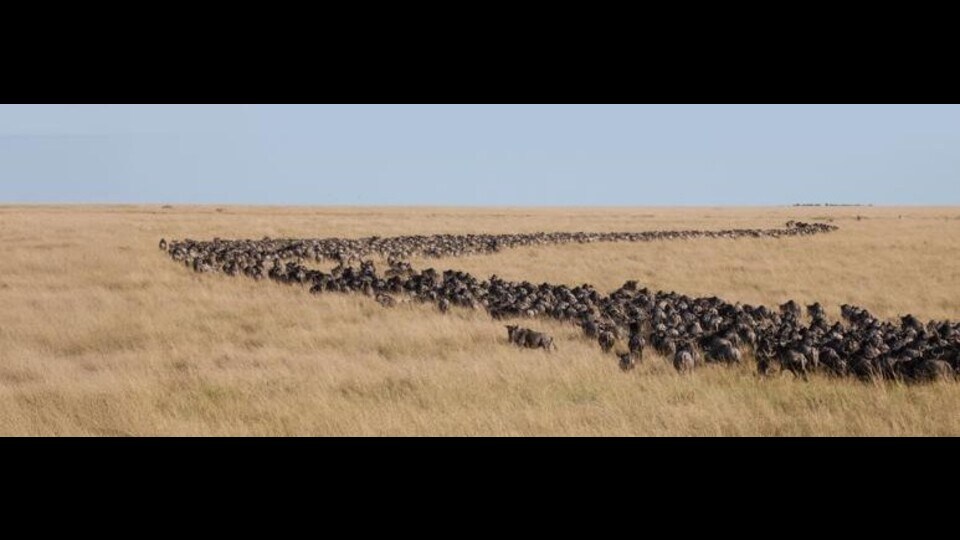
A herd of wildebeest in the Masai Mara, Kenya. This animal’s migrations, arguably among the world’s most dramatic, have been disrupted by roads, railways, oil and gas pipelines, housing, and fences to protect agriculture and livestock. The result: only three populations follow their traditional migration routes. This, in turn, has led to wildfires, altered landscapes and, as prey dwindles for major predators, even a higher incidence of giraffe-calf death. (Adobe Stock)
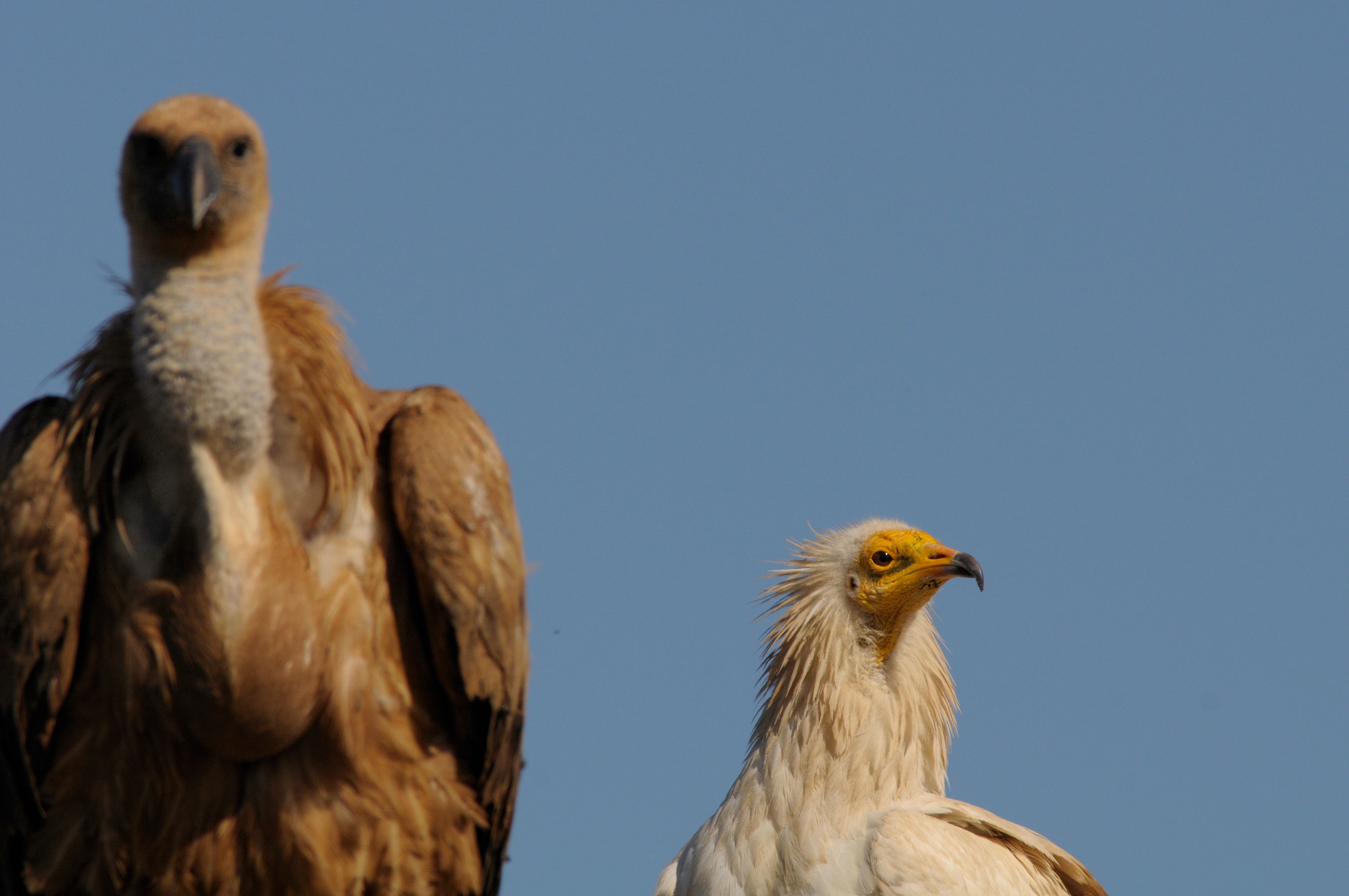
A griffon and an Egyptian vulture. The latter’s migratory route arcs across 40 countries on three continents: Europe, Africa, Asia. This arc now often ends prematurely, as the birds crash into new power lines and wind farms along its routes. . (Image: Bruno Berthemy, VCF)
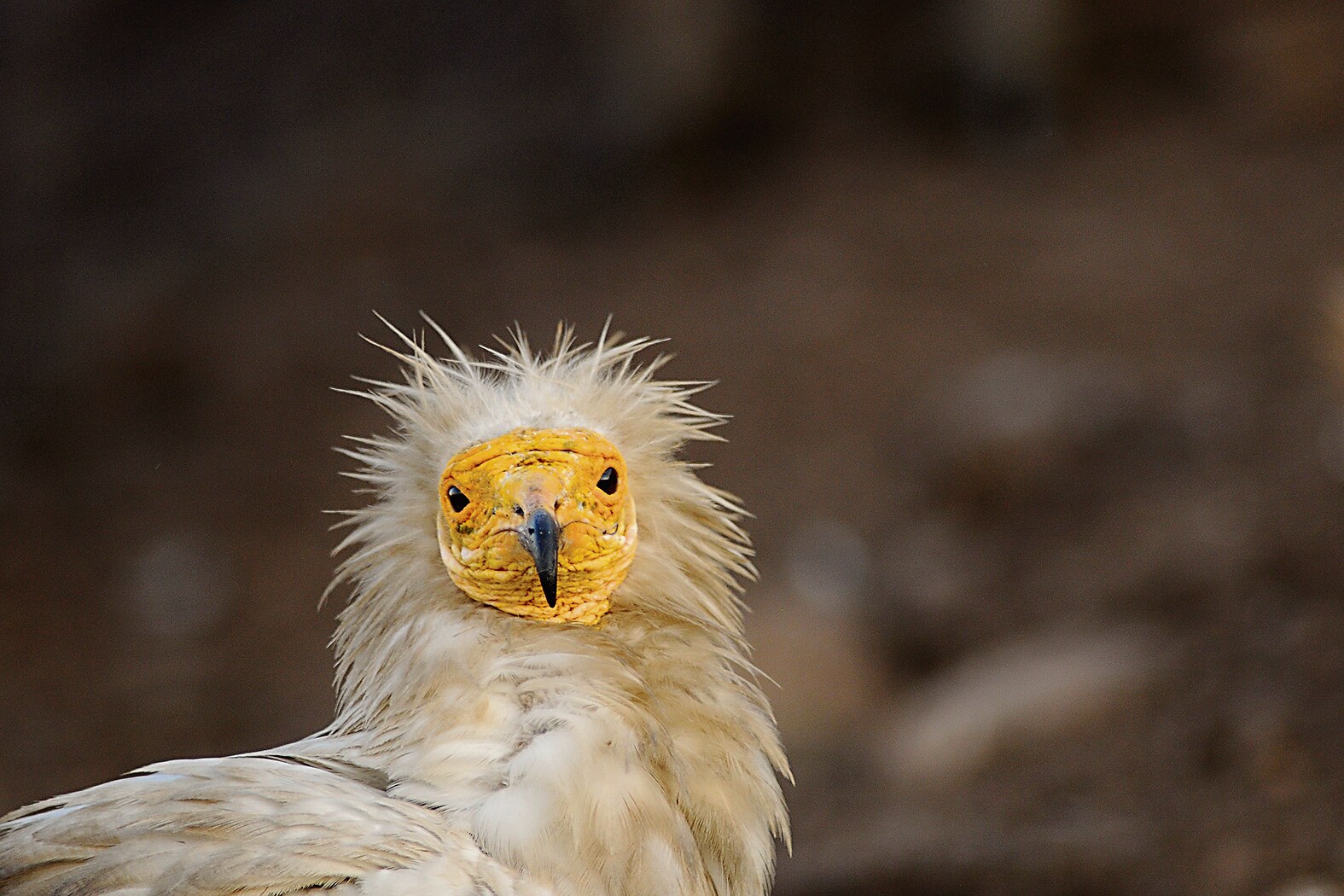
According to the Zurich-based Vulture Conservation Foundation, there has been a 80% decline in Egyptian vulture numbers in the Balkan Peninsula, with number of adult pairs going from 600 in the 1980s to 60 pairs in 2019. There are only about 4,000 individuals overall left in Europe. (Photo: Bruno Berthemy, VCF)
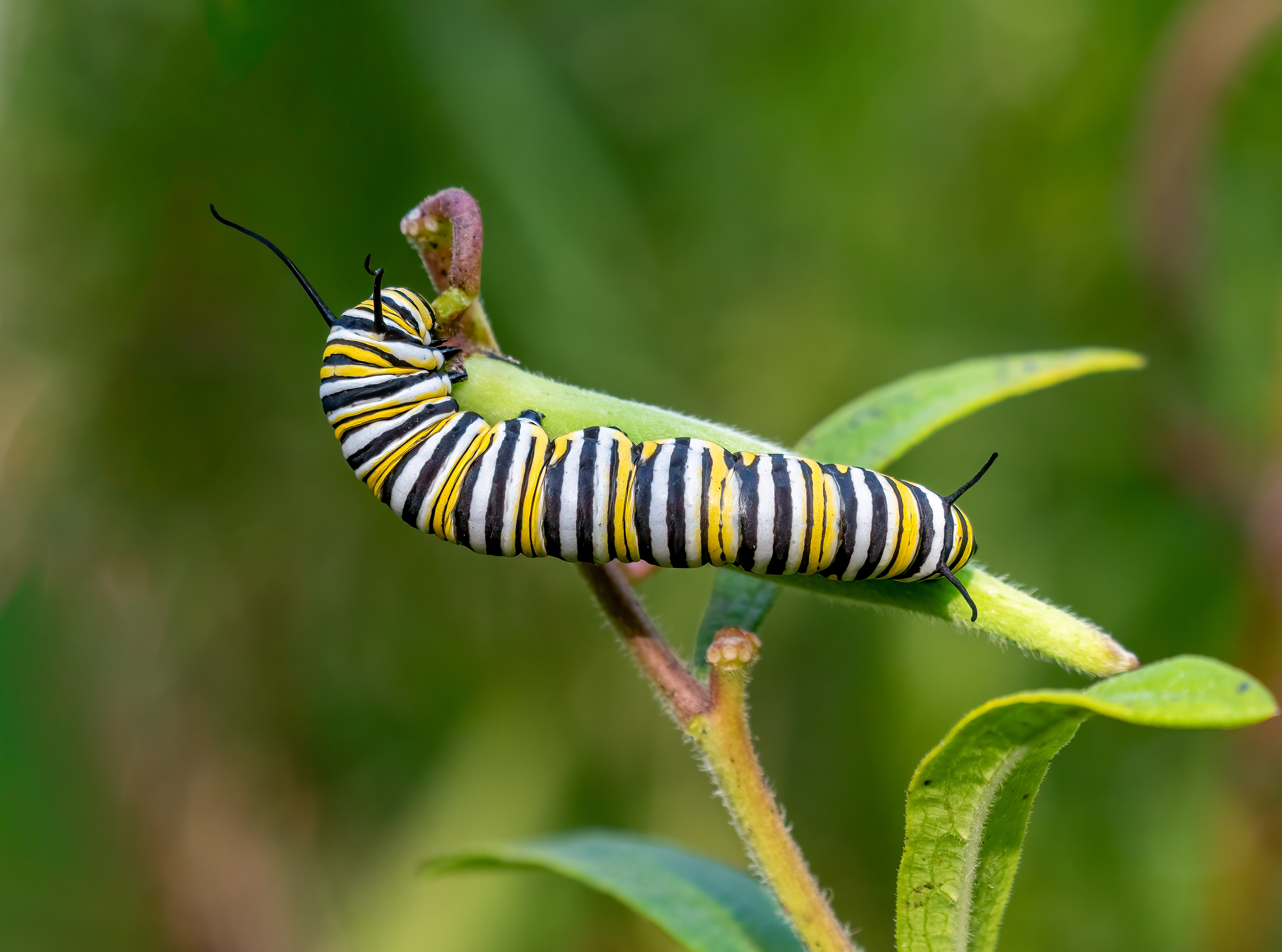
There was a time when the monarch butterfly flew from the Rocky Mountains into California in such large numbers, one could hear them congregate, with a sound like that of a rippling stream or a summer rain. They don’t make this sound any more. There simply aren’t enough of them. One key challenge they face is changing wind systems amid the climate crisis. . (Wikimedia Commons)
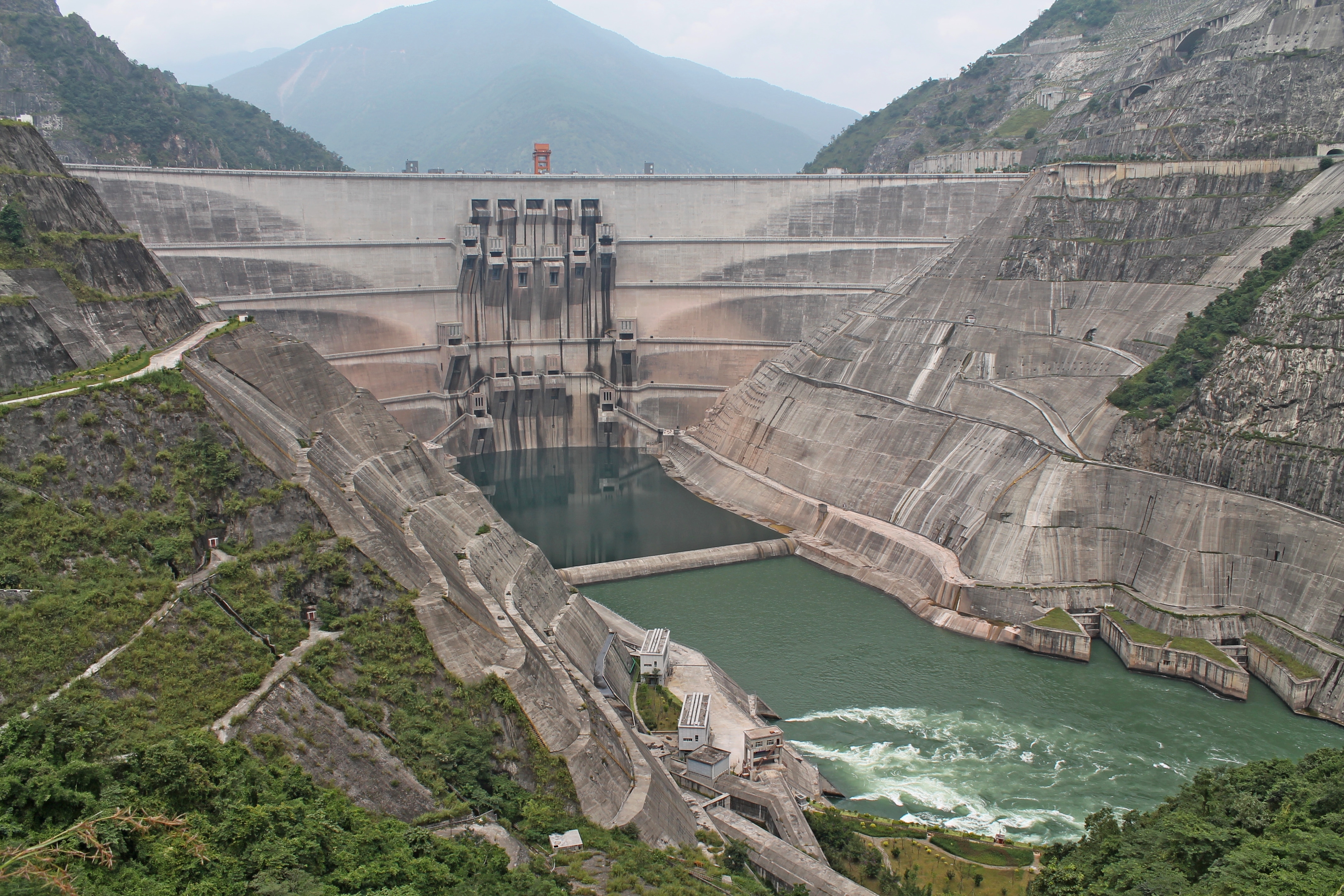
The Xiaowan Dam in the Upper Mekong, China. This 4,900-km long river, which winds from China, through Laos, Thailand, Cambodia and Vietnam, before flowing into the South China Sea, is home to the Mekong giant catfish. Dams and industrial-scale fishing along its length now block traditional routes, disrupting the fish’s feeding and spawning cycles. . (Photo: Guillaume Lacombe / Cirad)
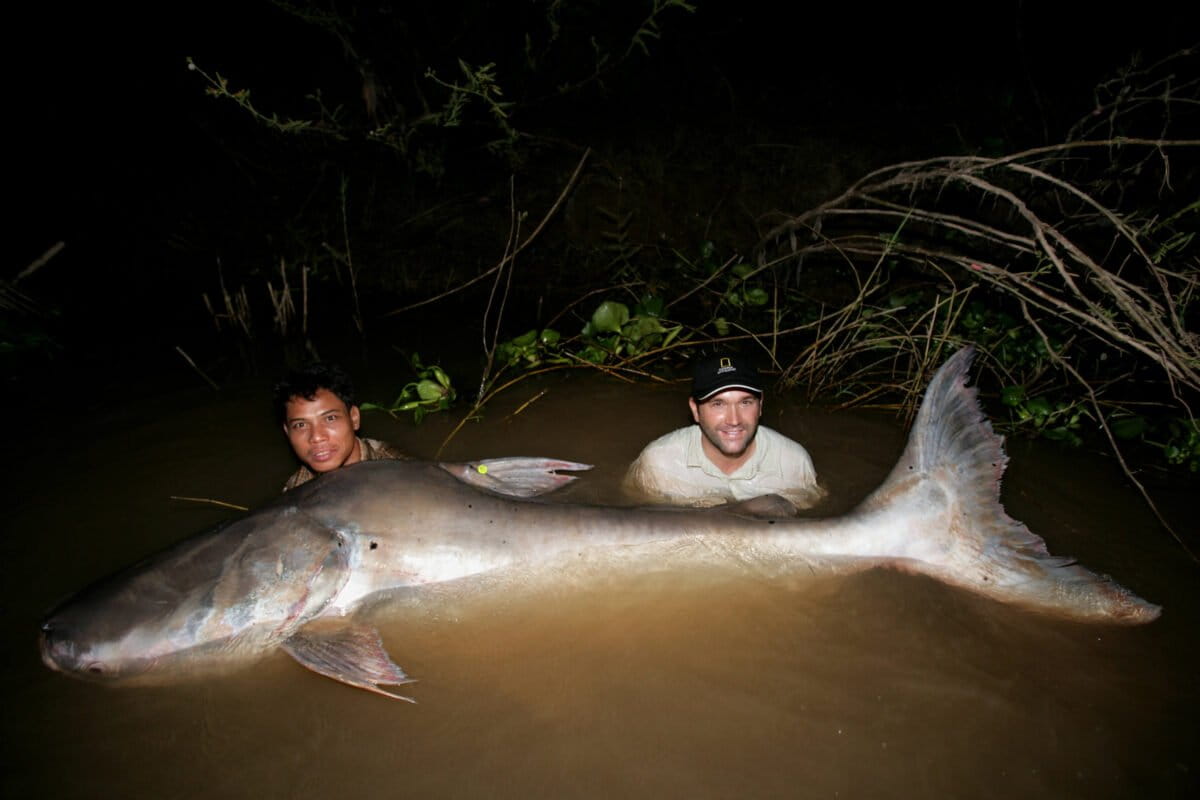
A Mekong giant catfish being rescued in 2007. These fish can live to the age of 60, grow to 10 ft long and weigh up to 300 kg. They play a vital role in keeping the river healthy, by munching on algae and detritus on the riverbed. But it is an elusive giant, making tracking, monitoring and conservation efforts more complicated. Under threat from dams and overfishing, the Mekong giant catfish was declared critically endangered by IUCN (the International Union for Conservation of Nature) in 2003. (Photo: Zeb Hogan with Wonders of the Mekong)
Catch your daily dose of Fashion, Taylor Swift, Health, Festivals, Travel, Relationship, Recipe and all the other Latest Lifestyle News on Hindustan Times Website and APPs.