E-Paper



Shields up: See how Seville, Paris, Sydney and Ahmedabad are tackling deadly summers

 Prefer HTon Google


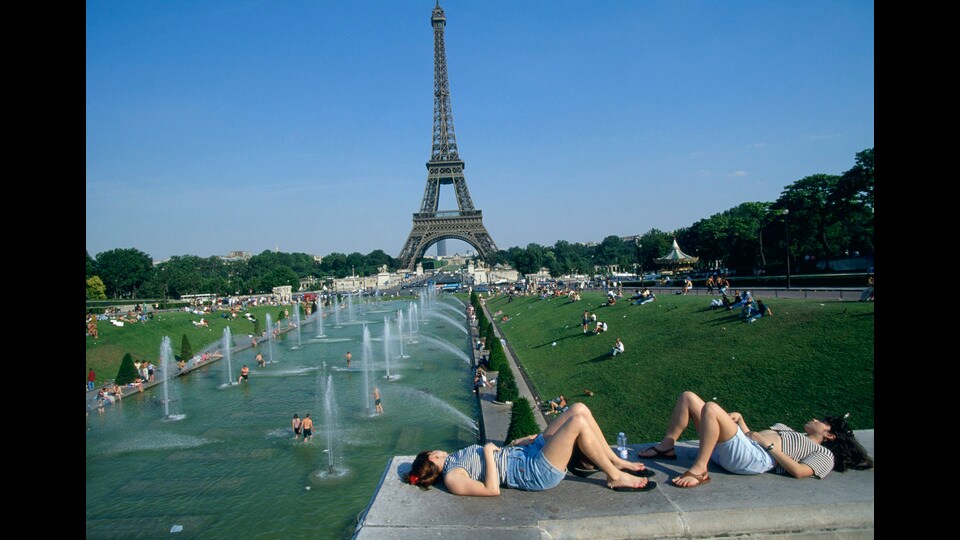
Paris has cool islands and pop-up beaches; Ahmedabad is experimenting with heat insurance. Seville in Spain is naming heatwaves (as is done with cyclones).
Pop-up cooling centres, heat insurance, a shade policy — as cities confront rising temperatures and deadlier heatwaves, innovative urban solutions are emerging.
In Seville, Spain: A shade policy, and names and categories for heatwaves
Seville is installing large awnings across streets, public playgrounds, hospital entrances, taxi stops and school grounds, with the understanding that access to shade can save lives even in pre-heatwave conditions. The city is also planting thousands of trees as part of this effort.
“We call it a policy of shade,” Antonio Muñoz said in 2022-23, during his time as the city’s mayor.
Meanwhile, in 2022, Seville also became the first city in the world to name and categorise heatwaves. That year, Zoe, a Category 3 heat event, triggered a targeted public-health response that included free access to city pools and water parks for certain age groups, and mobile teams conducting health checks among vulnerable populations. There are also plans to build more public pools and water parks.
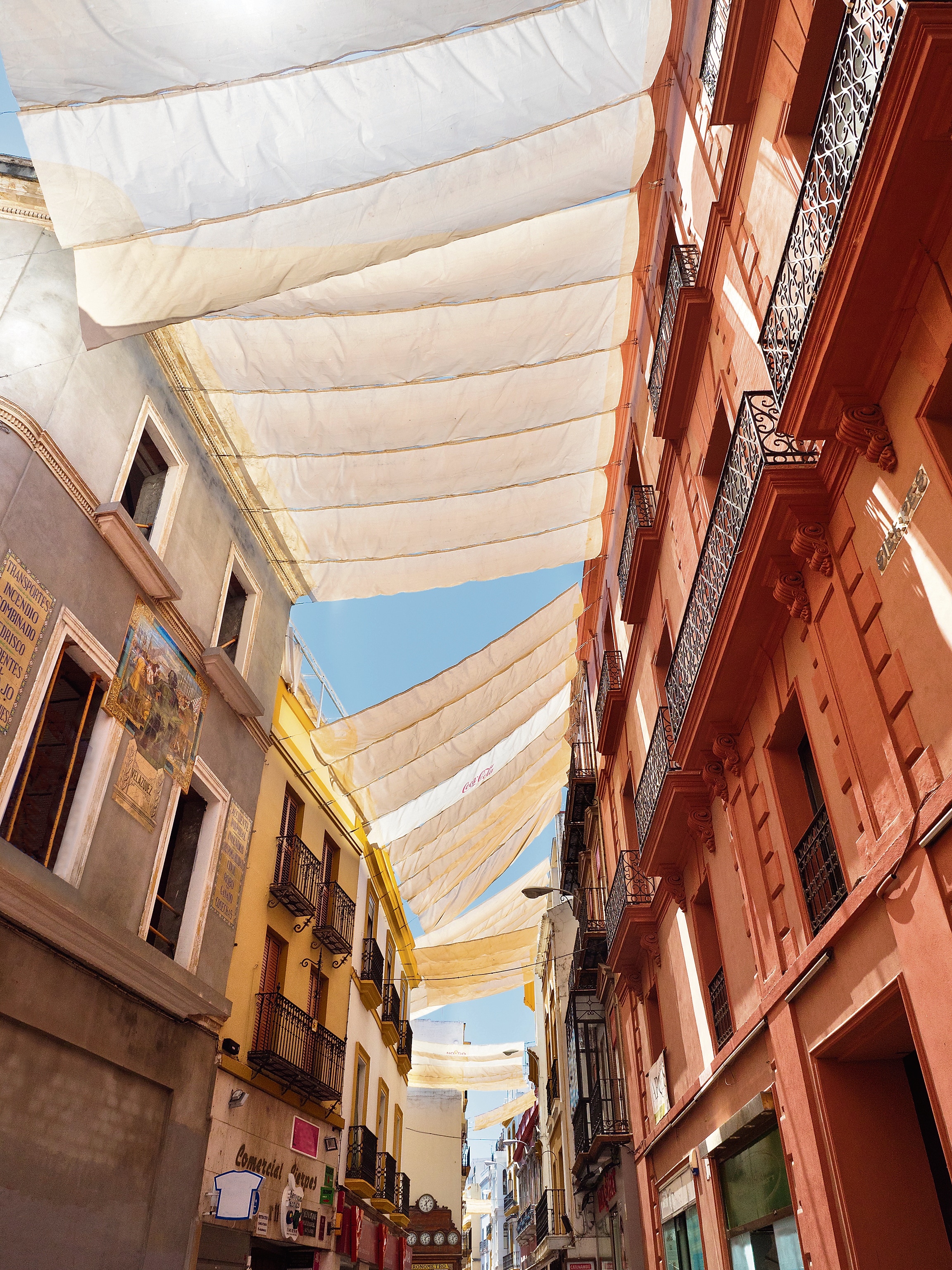
Naming and ranking heat waves will help the public understand heat as a visible, tangible threat, Kathy Baughman McLeod, director of the non-profit Adrienne Arsht-Rockefeller Foundation Resilience Center, said. The Center has been working with the Seville government on adaptation strategies.
In another long-term measure, the city is considering reviving an ancient Persian technique that used underground canals to carry water across parts of the city, to cool it. In the pilot phase, there are plans to pump this water upward too, through shafts, to cool buildings.
In Paris: Pop-up beaches and a heat zones app
Summers in Paris were so pleasant, with humidity low and sporadic rain a cooling factor, that most homes, until recently, had no air-conditioning.
That changed in 2003, when a deadly heatwave claimed more than 14,800 lives across France in a single two-week period (many were elderly; many died alone).
Determined that this should not happen again, the French government printed leaflets and posters to underline the idea that this was heat as French people did not know it. Detailed heat action plans were framed, under which every government official has, and is accountable for, specific outreach and mitigation action. Government leaders also took to appearing on TV during a heatwave, urging people to stay indoors.
Amid it all, by 2018, the municipality of Paris began setting up a network of “cool islands”, consisting of shaded parks, pools, water fountains and misting areas. “In addition to serving as emergency cooling locations during extreme heat events, cool islands reduce urban heat islands overall, raise awareness about heat and heat resiliency, and improve access to parks and open spaces within the city,” notes a report released by World Bank in 2020.
The cool islands are mapped on the government-run Extrema Heat Map app, which also alerts users during a heatwave and can guide them to the nearest such zone.
Part of the cool islands plan includes more “pop-up beaches” along the Seine, with access to free beach chairs, umbrellas and swimming pools.
In Sydney: Mobile cooling hubs
Designed by the Homelessness and Heat Emergency Activation Team (HHEATeam), Sydney’s mobile cooling hubs track alerts on the HeatWatch app (developed by the University of Sydney).
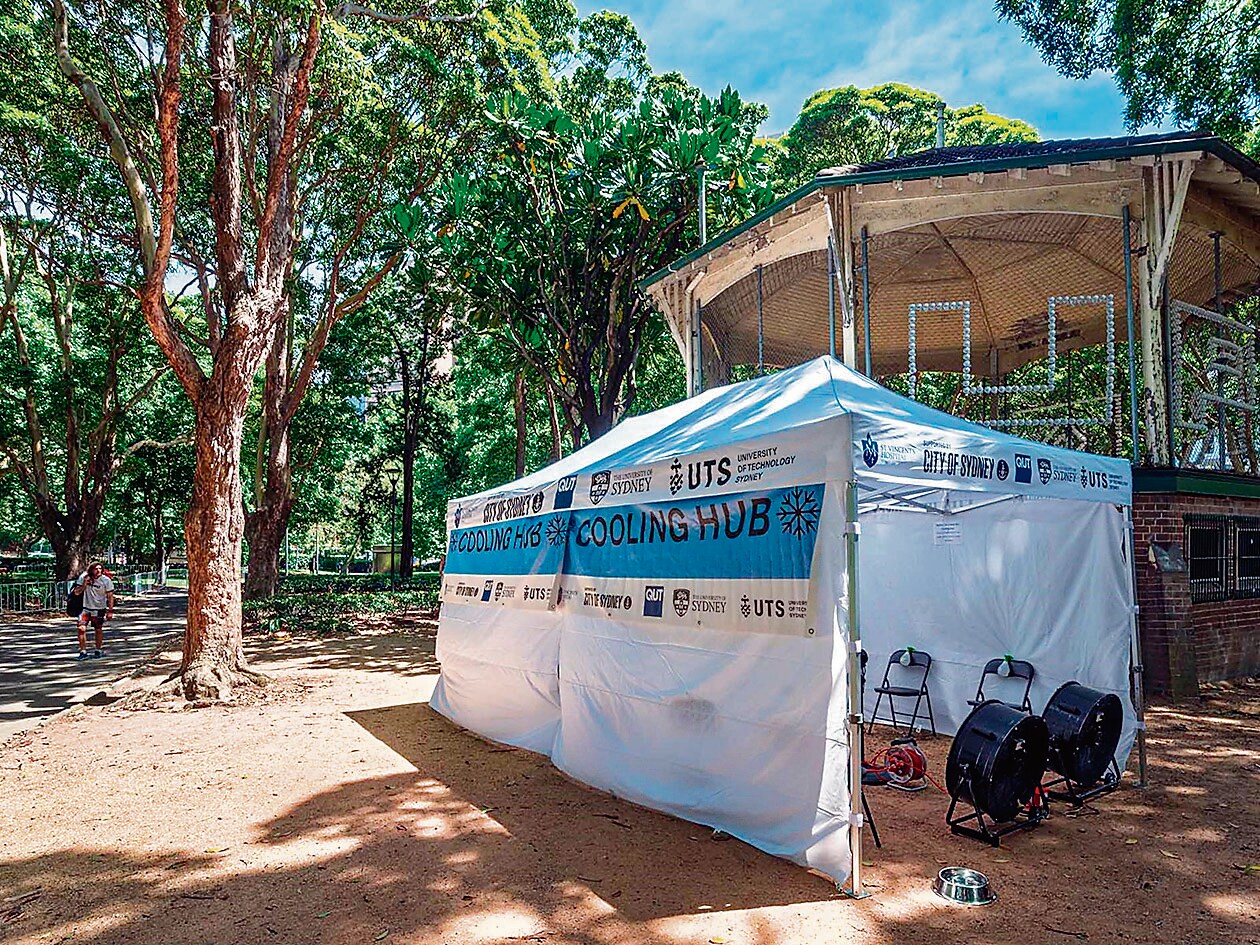
On days of extreme heat, they then make their way to parks and other areas where vulnerable communities such as the homeless are concentrated. There, they pitch tent and offer access to free oral-hydration stations, misting fans, shaded rest areas, doctors and nurses, and food. Vans drive around the area too, picking up people in distress and ferrying them to the cooling hub.
The hubs are powered by renewable energy and operated by a team from the St Vincent’s Hospital’s Homeless Health Service, with support from City of Sydney staff and local volunteers, and with technical assistance from the University of Sydney’s Heat and Health Research Centre.
In Ahmedabad: Heat insurance for daily-wage labourers
A quiet revolution began here, in 2023. It has since spread to 22 districts of Gujarat, Rajasthan and Maharashtra.
Here’s how it works. The trade union Self Employed Women’s Association (SEWA) offers “heatwave insurance” aimed at protecting women who work in the informal economy.
In order to sign up, a woman must be a member of SEWA, and contribute ₹250 a year. In exchange, whenever temperatures exceed 40 degrees Celsius in her region, she receives ₹400 in direct cash assistance, without a claim needing to be raised.
A further claim can be filed, for a greater portion of her day’s wages.
The programme is currently open to women from a range of occupations: farmers, construction workers, waste recyclers, head loaders, street vendors, salt-pan workers, ship-breakers, and home-based workers in the informal economy.
Between 2023 and 2024, the scheme accumulated 50,000 subscribers; total payouts amounted to ₹2.92 crore.
The pilot project has been developed in association with the Adrienne Arsht-Rockefeller Foundation Resilience Center, the NGO Climate Resilience for All and the insurance providers Blue Marble and ICICI Lombard, all of whom are also providing financial backing.
In its next step, SEWA aims to expand the scheme into a Livelihood Recovery and Resilience Fund (LRRF). In addition to heat insurance, this fund would offer low-cost credit, emergency grants and climate-adaptation financing.