
 E-Paper



Sleeplessness is the athlete’s silent enemy: The Sporting Life by Rudraneil Sengupta

 Prefer HTon Google


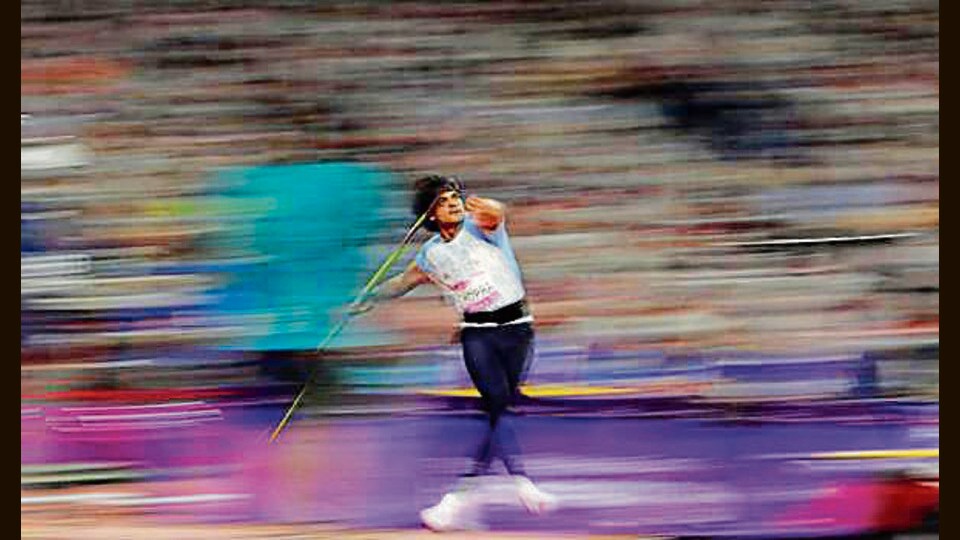
It’s often worst at big events, such as the Asian Games. From bedside tokens to photoshoots, some use simple hacks, others get creative in the search for a fix.
Neeraj Chopra had no competition. The plan, as it often is for him, was to get the first javelin throw just right, and then it would be done — the world and Olympic champion would remain the Asia champion too, having successfully defended his 2018 Asian Games gold in Hangzhou.
As it turned out, he did all those things. But not before a fairly tottery start in which he was bested by fellow Indian and eventual silver medallist Kishore Jena.
Perhaps Chopra should have slept well. He didn’t. Sitting in his room in the athletes’ village, he finally gave up trying. He couldn’t turn his brain off, or his body.
So he did what he had done on a similar night two years earlier, in Tokyo. He had woken at 4 am then, instead of his scheduled time of 9. In the wee hours of the final day of competition at the Olympics, he had quietly visualised and shadow-practised his throw.
Later that day, he would create history. In Hangzhou he hit repeat.
Athletes tend to have a surprisingly troubled relationship with sleep. Surprising because, for the lay person suffering from sleep deprivation, exercise is strongly recommended. Why is it then that the athlete finds it so hard, even when so much is riding on a good night’s rest?
Dozens of studies have shown that sleep deprivation causes negative changes in a range of physical and mental attributes critical for good athletic performance: strength, power, reaction time, quick decision-making, proprioception or awareness of the body, speed and stamina.
“In one study, we found that sleep deprivation over just one night decreases strength, especially in the lower body, by 5% to 10%,” says Samuel Pullinger, head of sports science at the Inspire Institute of Sport in Bellary. “The irony is that in a recent meta study we found that up to 50% of athletes are chronically sleep-deprived.”
Athletes admit it is often worst ahead of a big day. Wrestler Sakshi Malik told me she was sleepless, edgy, hungry and dehydrated on the day she won the 2016 Olympic bronze. “I can’t rest the night before a big match,” she said, “but I have a habit of sleeping for an hour in the afternoon every day, and at least that helped.”
Pullinger says coaches encourage athletes to develop a habit of napping. Studies show that a deep, hour-long afternoon nap can counteract a restless night to some extent.
As for why athletes, there is of course pre-match anxiety. As well as the fact of a finely tuned body shuttling between alien rooms in alien cities, different time zones and varying weather.
The Indian cricket team will travel 8,400 km, between nine cities, in the course of 34 days, in the group stage of the ongoing ICC ODI World Cup. Their sleep will be monitored each night.
“We tell athletes to make their hotel room a cave,” said Pullinger. “Carry at least one pillow with you. Travel with an object from your own bedroom that can help you relax, such as a family photo. Take a warm-ish pre-sleep shower. Keep the room completely dark and kept at 18 to 21 degrees Celsius. Those are the standard things we recommend.”
Sometimes athletes have other ideas. Unable to sleep the night before his final bout at the 2008 Olympics, Vijender Singh remembers feeling shot with anxiety. His roommate, a fellow boxer who had exited the competition rounds, saw the state he was in and suggested they spend the night doing a photoshoot. As a child, Singh had dreamed of being a model; the friend had dreamed of being a photographer.
Singh ended the next day’s bout with an Olympic bronze. “The photoshoot really helped me in the ring,” he would later say. “Because I had had such a fun, relaxing night, I was mentally and physically very light.”
Shadow practice, phantom photoshoots… what I wouldn’t give to wander about an athletes’ village, in the wee hours before a big bout.


