There has never been a worse time in the history of India’s hospitality industry. In early June, the Hyatt Regency, one of Mumbai’s better-known hotels, announced that it was suspending operations because the owners could no longer pay salaries to the staff. At other hotels, the crises are less public but just as real. Many hotels teeter on the edge of bankruptcy. Staff have not been paid for months. Suppliers and vendors have got used to waiting endlessly for bills to be paid.
Nor does the recovery that the hotel sector had banked on appear to be on its way. In March-April 2020, when the lockdown began, hoteliers took the line that life would return to normal by the autumn, which was when the season for international tourist arrivals began. No foreign tourists came. Never mind, said the hoteliers. Business travel would return to normal in 2021. The Second Wave has put paid to that hope.
Given that things have been so bleak, there is something admirable about the way in which the hotel sector continues to help others affected by the pandemic. The large hotel companies — the Oberoi, Taj, ITC and Leela groups — have financial muscle or backing and have been able to protect most jobs while working to help the community.
It is the smaller hotels, especially the international groups, that have been hardest hit. Indian chains like the Oberoi or ITC own most of their big hotel properties. Foreign hotel chains own almost no hotels in India. They merely manage them (for a fee) for a variety of owners. This arrangement works well in good times but in bad times, the strain begins to show.
An international company like Hyatt or Marriott cannot commit to protecting salaries or keeping staff on because those decisions are also made by scores of individual hotel owners.
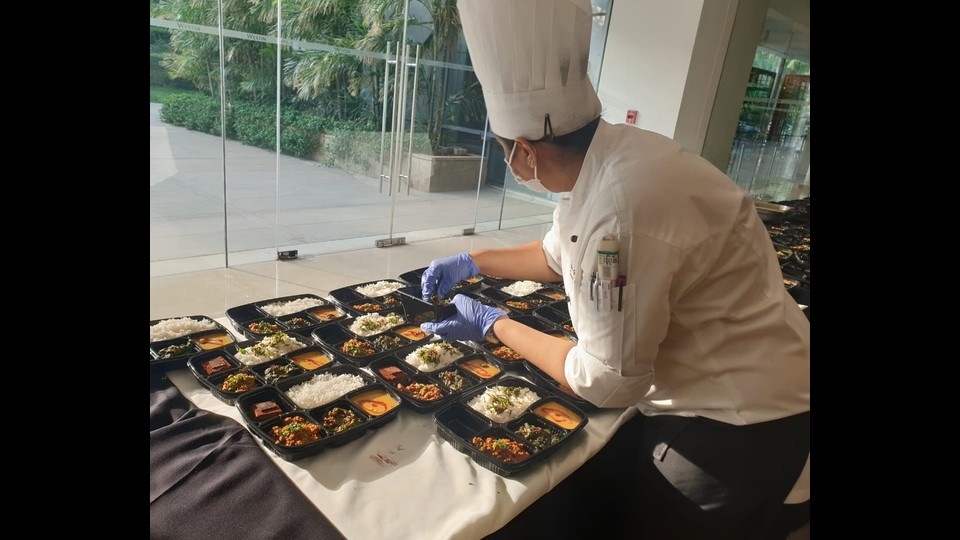
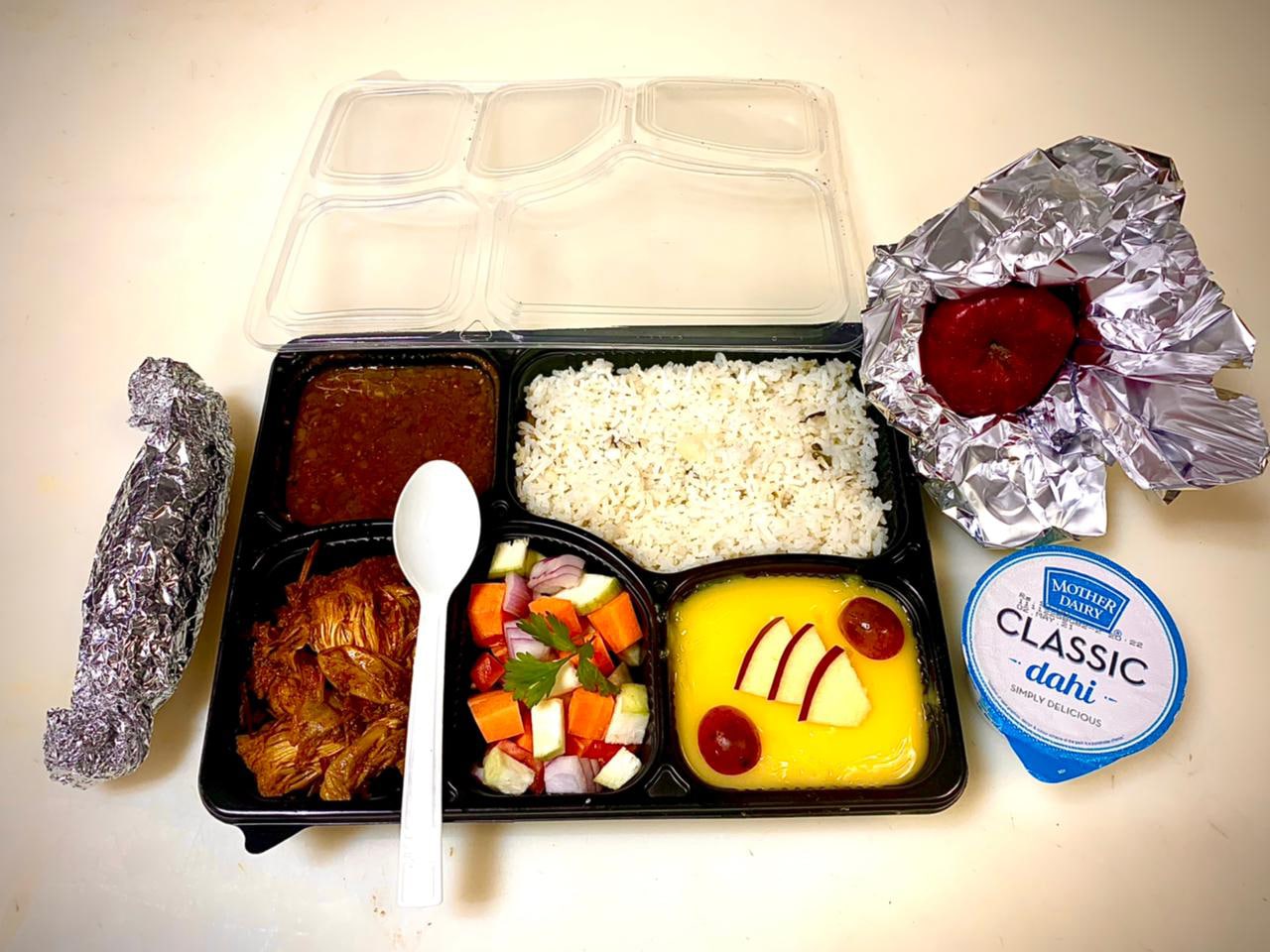
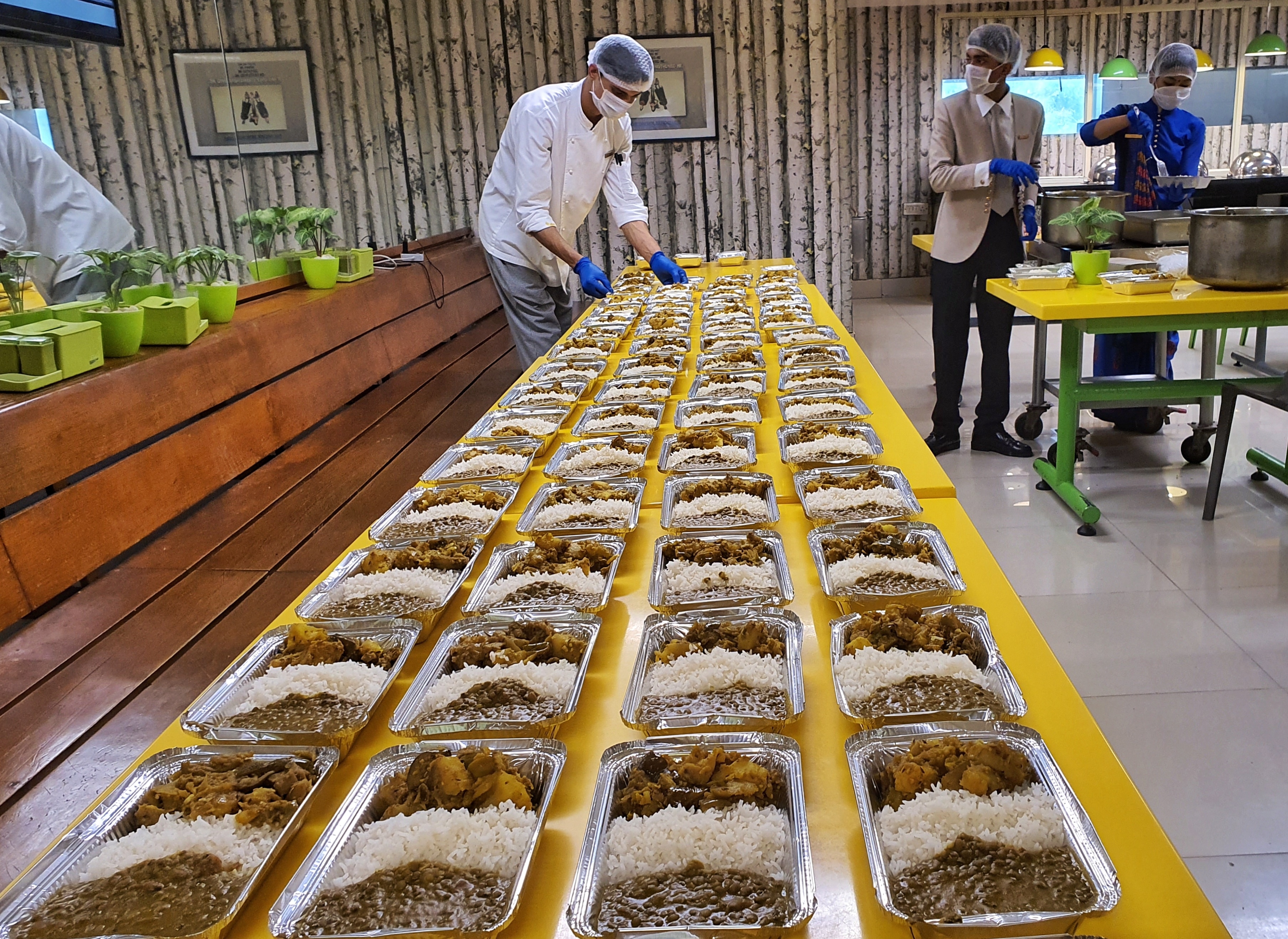
In the circumstances, it is reassuring that Marriott, India’s largest hotel chain, has managed to find ways to help during the crisis. Last year, Marriott distributed over 50,000 packed meals and over 60,000 packages of dry goods across the country. Nearly 50 Marriott hotels across the country worked (even when they were not open to guests) to feed those worst-affected by Covid across India.
This year, as the Second Wave hit, Marriott persuaded many owners to support a scheme through which meals were home-delivered for free to those who were in home isolation and did not have the means or the ability to feed themselves. This was not a token scheme. Once you were on the list of those who had to be fed, the meals kept coming every day until you tested negative.
Most visibly Marriott used meals-on-wheels trucks to deliver food to doctors, nurses and other frontline workers at 23 hospitals in Delhi, Mumbai, Goa, Bengaluru, Kolkata and Pune. The meals were prepared by chefs at such hotels as the St Regis in Mumbai, the JW Marriott in Delhi and the Ritz-Carlton in Bengaluru to the same standards as the meals that were cooked for normal restaurant service.
The Indian companies have also stretched themselves to their limits. The Taj group linked up with Spanish-American chef Jose Andres and his humanitarian organisation to provide free meals from its flight kitchens. The Oberoi group has offered help from every one of its properties. The Oberoi Grand in Kolkata has worked with Missionaries of Charity to provide food. The Oberoi, Bengaluru, has been sending packed meals for the staff of St Philomena’s Hospital. The Trident in Mumbai’s Bandra Kurla Complex collaborates with Shanti Avedna Sadan, an NGO, by providing dry rations to those in need. The Oberoi, New Delhi, and the Oberoi, Gurgaon, have been sending food packets to the Delhi Disaster Management Authority.
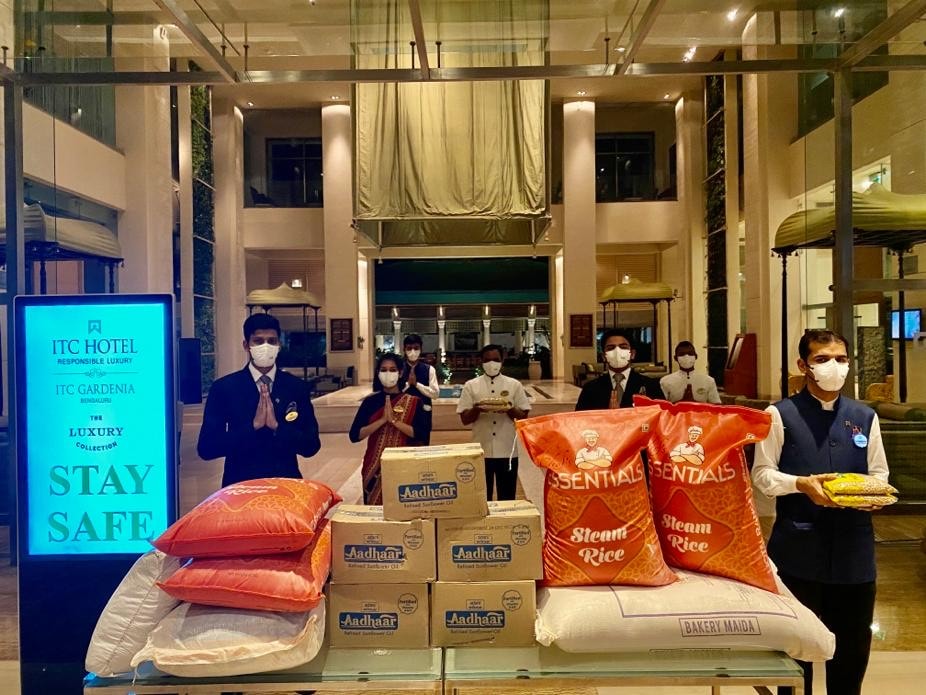
During the migrant labour crisis in the First Wave, two ITC hotels in Delhi (the Maurya and the Sheraton) handed out 1,500 meals a day to migrant workers. Bengaluru’s ITC Gardenia sent 1,500 kg of rice, 900 kg of dal and 150 litres of oil to kitchens set up to feed the hungry.
ITC has also supplied meals free to healthcare staff at hospitals all over India. The Leela Palace in Delhi supplies fresh meals to Covid care facilities and at the Leela in Gurugram, packed lunches are prepared for hospital staff and those who work at vaccination centres.
Even smaller companies are doing their bit. Last year, when migrant workers were stranded in Delhi, Roseate Hotels worked with the Delhi police to provide meals for 500 workers every day. During the Second Wave, the company has shifted its attention to slums and other less privileged areas and is sending meals there.
It is, by any standards, a heroic effort by an industry that is under massive pressure. Even as chefs cook meals for doctors or Covid patients they do not know if they themselves will still have jobs beyond another week or so. The executives who allocate the funds know that they will have to explain to shareholders why the losses this year are even greater than expected. In many cases, hotel companies have clashed with owners, who see no point in spending more when losses are mounting.
The role of the hotel industry in helping the community at a time when it fears for its own future has been under-reported. But it is good to know that the hotel sector did its best work out of the public eye and in the shadow of the pandemic.

 E-Paper