
 E-Paper



The psychology of luxury design: 6 tips for crafting spaces that inspire and uplift

 Prefer HTon Google


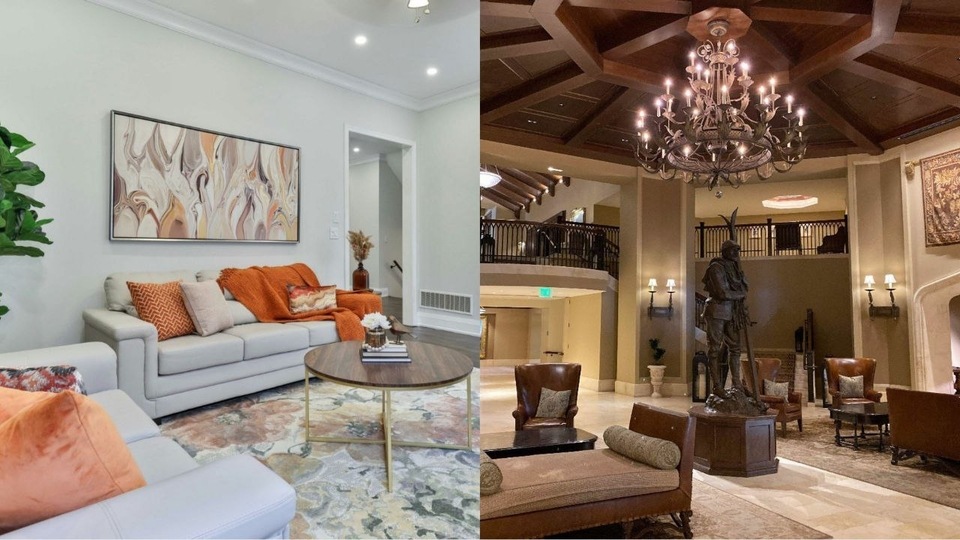
Luxury design isn’t just about looks; it’s about creating inspiring spaces. Here are tips for crafting environments that blend elegance with emotional impact.
Luxury design transcends mere aesthetics, tapping into deep realms of human emotion, well-being, and psychological satisfaction. In an age of wealth and indulgence, true luxury design focuses on creating spaces that evoke profound emotions, enrich everyday experiences, and improve overall well-being, going beyond superficial beauty. By exploring the psychology behind luxury design, we can understand how thoughtfully crafted environments can transform our mental and emotional states, turning them into inspiring sanctuaries.
Sanjeev Agarwal, Vice President, Design and Coordination, Ashwin Sheth Group, shared with HT Lifestyle the intricate interplay between luxury design and psychology, shedding light on how carefully crafted environments can uplift spirits, stimulate the senses, and cultivate a sense of tranquillity and contentment. (Also read: From biophilic designs to sustainable materials: 7 interior design tips for transforming small spaces into green havens )
1. The Power of Luxury Design:
Luxury design transcends mere aesthetics; it involves creating spaces that deeply resonate with individuals. When people invest in luxury goods, the brain's response underscores the significant psychological benefits associated with such purchases. Rather than focusing solely on the tangible items themselves, customers seek emotional and psychological accomplishment from owning luxuries.
This satisfaction arises from the exclusivity, quality, and status that luxury brands and products represent. As a result, luxury spaces are not just about indulgence; they are meticulously crafted environments that prioritise our mental and emotional well-being. These spaces are designed to evoke feelings of joy, comfort, and fulfilment, enhancing our overall quality of life.
2. Creating Emotional Connections:
At the heart of luxury design lies the power to forge emotional connections with those who inhabit these spaces. Every element, from the thoughtfully chosen materials to the intricate details, tells a story that connects with the human spirit. The warmth of natural woods, the cool elegance of marble, and the inviting texture of plush fabrics come together to create an immersive sensory experience that fosters a deep sense of comfort, security, and belonging.
3. Transforming spaces:
Luxury design elements like expert craftsmanship, luxurious materials, and meticulous attention to detail are pivotal in evoking positive emotions and establishing profound connections with those who inhabit the space. The richness of premium materials, the allure of unique textures, and the visual charm of well-designed elements engage our senses, creating a multi-sensory experience. This thoughtful approach not only reduces stress and encourages relaxation but also boosts our mood. By fostering an emotional connection with the space, these design choices transform a room into a personal sanctuary that feels both comforting and inspiring.
4. Enhancing Psychological Well-being:
Luxury design is not just about aesthetics; it is a holistic approach that considers the psychological impact of thoughtful design on occupants' mood, productivity, and overall well-being. By focusing on relaxation, inspiration, and joy, luxury design acts as a catalyst for positive change, nurturing inner peace and emotional balance. Incorporating biophilic elements, like natural light and indoor plants, deepens this connection, helping individuals reconnect with nature and benefit from its restorative qualities.
5. Designing for Comfort and Functionality:
Comfort and practicality are paramount in luxury design, as they foster a sense of ease and contentment. Ergonomic furniture, intuitive layouts, and practical spaces are crucial for ensuring comfort and usability. Together, these features create environments that feel naturally inviting. Premium furnishings and smooth spatial arrangements boost the space’s appeal, providing both convenience and ease. By focusing on comfort and functionality, luxury design transforms spaces into refuges of well-being and efficiency.
6. Cultivating a Sense of Luxury:
The image of luxury is carefully constructed through thoughtful spatial planning, lighting techniques, and sensory elements. These elements come together to create an immersive experience that engages the senses and nurtures the soul. Strategic lighting enhances the atmosphere by highlighting architectural features and fostering a warm, inviting environment. Additional sensory elements like scents, sounds, and textures further elevate the experience, making the space feel luxuriously multi-dimensional. This comprehensive approach ensures that every aspect of the environment contributes to a cohesive sense of opulence and well-being.
Luxury design delves into human psychology to understand how our minds respond to meticulously crafted spaces. By applying these psychological principles, designers can create environments that deeply resonate with individuals. These designs become a vital part of human experiences, showcasing the artistry of functional interior design. Luxury interiors aim to uplift, inspire, and support the soul, emphasizing emotional connections, psychological well-being, comfort, and sensory richness.


