
 E-Paper



Understanding dining table sets and picking the right piece: A complete guide to bringing home the right furniture
Looking for a dining table set for your home? It is important to understand the nuances of what goes into making a dining table the right fit for your home.

 Prefer HTon Google


Our Picks
Our Picks
| Product | Rating | Price |
|---|---|---|
SONA ART & CRAFTS Solid Sheesham Wood & Jute Fabric Round Dining Table 4 Seater Dining Set Dinner Table for Dining and Living Room Furniture (Finish Color -Teak Finish, DIY(Do-It-Yourself))View Details  | ₹26,999 | |
 | ||
dining table Krishna Wood Decor Standard Solid Wooden Sheesham Teak Wood Round Dining Table 4 SeaterView Details | ||
| ||
dining table VECELO Small Round Dining Table Set for 2View Details | ||
| ||
DRIFTINGWOOD Zig Zag Solid Sheesham Wood Dining Table 4 Seater | Wooden Four Seater Dinning Table with Cushioned Chairs for Restaurant | Dinner Table 4 Seater | Dining Room Sets | Self Assembly(DIY)View Details | ₹14,498 | |
| ||
dining table MURALICRAFT Solid Sheesham Wood Square Dining Table 4 Seater View Details | ||
| ||

Research-Backed Choices
Every product we recommend is chosen through a combination of Primary Research and Secondary Research.
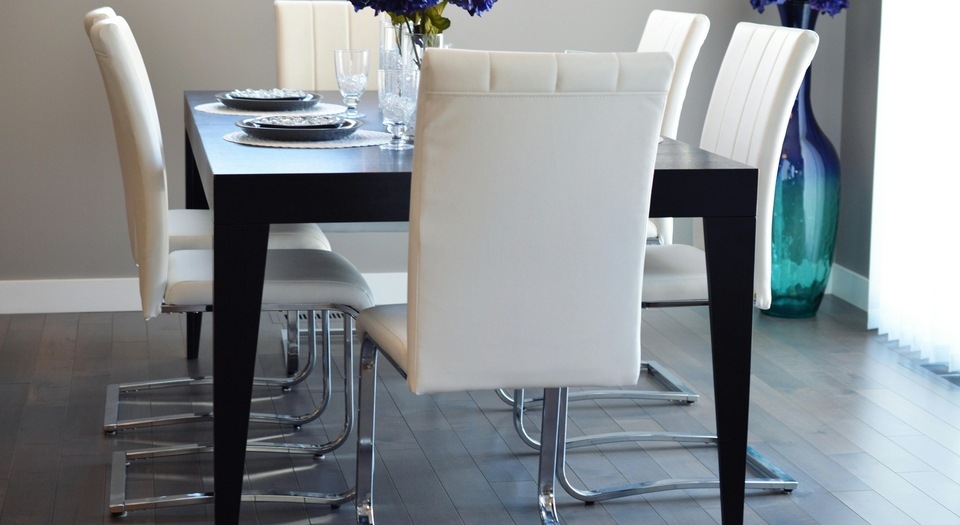

Dining tables are considered the featured piece of furniture in all our homes, being the focal point of our dining spaces to also acting as the meeting spot for families over meals and discussions. These utilitarian pieces of furniture are now more than just for sitting and eating or using as a desk, they come in grand designs and in multiple styles which can help add a touch of glamour and sophistication to your home.
The dining table can be used to eat your meals and also by kids as a desk to do their homework or other projects. The comfortable chairs make it easy to use for longer spans and also reduce the need to buy multiple pieces of furniture in a single home. There is more to understand and many things to learn before you make that choice, so let’s dive right into the details on dining tables.
What is a dining table?
A dining table is a piece of furniture designed specifically for dining purposes. It typically consists of a flat surface supported by legs or a central pedestal, providing a stable and comfortable area for people to sit around and enjoy meals together.
What is the dining table used for?
A dining table is used for eating meals with family or friends. It provides a flat surface where people can sit together comfortably and enjoy food. It's a central piece of furniture in homes and restaurants, offering a place to gather, share food, and converse during meal times.
What is the aim of a dining table?
A dining table aims to provide a surface where people can sit together and eat meals comfortably. It serves as a central place in a home where family and friends gather, share food, and enjoy each other's company during mealtimes.
Is a dining table a necessity?
Yes, a dining table is considered a necessity in many households. It provides a designated meal space, promotes family bonding during shared meals, and facilitates comfortable dining. It also helps organise dining areas and encourages healthy eating habits by creating a routine around meal times.
Different shapes of dining tables
Dining tables come in various shapes to suit different needs and spaces. Common shapes include rectangular, which accommodates more people; round, promoting intimate conversations; square, suitable for small groups; and oval, combining aspects of both rectangular and round tables. Each shape offers unique benefits for dining and room layout.
Ergonomics of dining tables
Table Height: Typically, dining tables are 28-30 inches high. This height allows most people to sit comfortably with their feet on the floor and elbows at a 90-degree angle.
Chair Height: Chairs should have a seat height of 18-20 inches. The seat should allow the user to sit with their feet flat on the ground and knees at a right angle.
Tabletop Space: Ensure adequate space for each diner. A width of 24 inches and a depth of 12 inches per person is recommended.
Legroom: Provide enough space under the table for legs. A minimum of 12 inches between the chair seat and the tabletop is advised.
Chair Comfort: Chairs should support the lower back and provide a slight recline to maintain natural spinal alignment. Seat depth should support the thighs without putting pressure on the knees.
Materials: Use materials that are easy to clean and maintain. Rounded edges can prevent injuries.
Arrangement: The layout should allow easy movement and interaction. Round or oval tables can facilitate conversation better than rectangular ones.
Accessibility: Consider the needs of all users, including those with mobility challenges. Ensure there is enough space for wheelchairs or walkers.
Round dining tables
Different sizes of dining tables and their functions
| Size | Dimensions (feet) | Description | Function |
| Small | 3' x 3' to 4' x 2.5' | Compact, space-efficient | Ideal for small apartments or cosy dining setups |
| Medium | 5' x 3' to 7' x 3.5' | Average-sized | Suitable for average-sized families, provides flexibility |
| Large | 8' x 4' to 10' x 5' | Spacious, accommodate more people | Ideal for gatherings, dinner parties, promotes socializing |
Square dining tables
6 seater dining tables
A 6-seater dining table typically requires a room size of about 10' x 10' to 12' x 12' for comfortable placement. It fosters intimate dining experiences while accommodating family meals or gatherings. Benefits include ample seating without overwhelming space, promoting social interactions, and serving as a focal point in dining areas.
| Component | Description |
| Size | Approximately 5' to 7' long and 3' to 4' wide |
| Shape | Typically rectangular or oval |
| Material | Wood (e.g., oak, walnut), glass, metal |
| Seating Capacity | Accommodates 6 people comfortably |
| Design Features | Legs (often four), sometimes with additional supports |
| Additional Parts | Extension leaves (optional for expanding the table) |
| Finish | Varnished, lacquered, stained |
4 seater dining tables
A 4-seater dining table fits well in rooms approximately 8' x 8' to 10' x 10', offering intimacy and space efficiency. It accommodates smaller households or cosy dining setups, promoting closeness during meals. It balances functionality with aesthetic appeal, ideal for flats or compact spaces, enhancing dining experiences without overwhelming room size.
| Component | Description |
| Size | Typically, around 4' to 5' long and 2.5' to 3' wide |
| Shape | Often rectangular or square |
| Material | Wood (e.g., oak, pine), glass, metal |
| Seating Capacity | Designed to comfortably seat 4 people |
| Design Features | Legs (usually four), sometimes with additional supports |
| Additional Parts | Extension leaves (occasionally available for expansion) |
| Finish | Varnished, lacquered, stained |
2 seater dining tables
A 2-seater dining table fits well in compact rooms, typically requiring around 4' x 4' to 5' x 5' for comfortable placement. Ideal for small flats or kitchen corners, it promotes intimate dining experiences. Its compact size saves space while providing a functional area for meals, enhancing home dining convenience and comfort.
| Component | Description |
| Size | Typically, around 4' to 5' long and 2.5' to 3' wide |
| Shape | Often rectangular or square |
| Material | Wood (e.g., oak, pine), glass, metal |
| Seating Capacity | Designed to comfortably seat 4 people |
| Design Features | Legs (usually four), sometimes with additional supports |
| Additional Parts | Extension leaves (occasionally available for expansion) |
| Finish | Varnished, lacquered, stained |
Understanding the different materials used in dining tables
Dining tables are crafted from various materials, each offering unique aesthetics and characteristics:
Wood: Durable and traditional, with options like oak, walnut, and pine. Offers warmth and natural beauty but requires maintenance.
Glass: Modern and sleek, creating an open feel. Easy to clean, but may scratch or show fingerprints.
Metal: Industrial or contemporary look, often combined with glass or wood. Durable and easy to maintain.
Marble or Stone: Luxurious and durable, with natural patterns. Heavy and requires sealing to prevent stains.
Laminate: Economical and versatile, mimics wood or other materials. Resistant to scratches and easy to clean.
Choosing the right material depends on style preferences, durability needs, and maintenance capabilities.
Here are some more frequently asked questions about dining tables that might help you:
What is the difference between a desk and a dining table?
A desk is typically designed for work or study, with features like drawers or shelves for organisation. A dining table is meant for meals, usually larger and higher. Desks prioritise functionality for work tasks, while dining tables emphasise gathering for meals.
Can I use the dining table as an office table?
Yes, a dining table can serve as an office table if it meets your needs for workspace and comfort. Consider its size, height, and functionality. It may lack storage and ergonomic features but can be adapted with accessories like organisers or adjustable chairs for office use.
Can we place the dining table in the living room?
Yes, placing a dining table in the living room is common for open-plan layouts or smaller homes where space is limited. It can serve as a multipurpose area for dining, working, or gathering with guests, enhancing flexibility and functionality in your living space.
Similar articles for you
Best study tables: Top 8 picks for students and work from employees
Best mattress buying guide: Pick the right mattress for sleeping in just 8 steps
Murphy beds buying guide: Understand and buy the best wall beds online
Retro furniture ideas: Shopping guide to ace that classic vintage look
Kids room furniture ideas: Comprehensive buying guide to picking the right furniture for kids room
At Hindustan Times, we help you stay up-to-date with the latest trends and products. Hindustan Times has an affiliate partnership, so we may get a part of the revenue when you make a purchase. We shall not be liable for any claim under applicable laws, including but not limited to the Consumer Protection Act, 2019, with respect to the products. The products listed in this article are in no particular order of priority.


