E-Paper



Why do hotels use white linens and secretly avoid the 13th floor? These common hotel mysteries finally have answers

 Prefer HTon Google


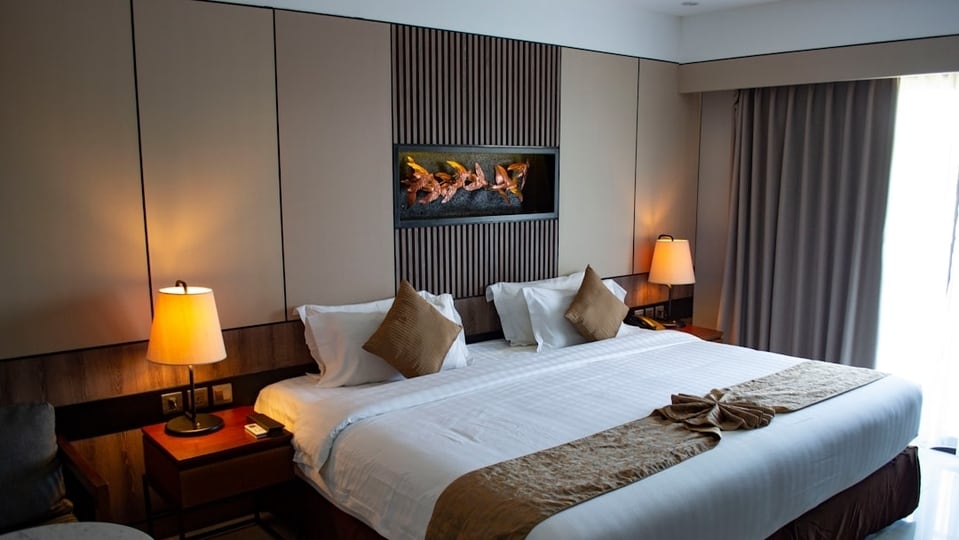
From late check-in and check-out timings to white bed linens, here are the real reasons behind the hotel habits guests always question.
Ever wondered why hotel pillows are always white or why check-ins take so long? Hotels are filled with a lot of such little details that most guests notice but rarely understand. While they seem random, there’s often a practical reason behind these hospitality choices. Let’s dive in to decode the surprising answers to common hotel mysteries.
Also read | Why are airplane windows always oval? Know the answers to all those random questions about flights
Why are hotel linens white?
Hotels use white linen for beds because it signals cleanliness to guests. White linens can’t hide stains or dirt, so their pristine appearance communicates a luxury vibe to travellers. Also, it complements every room design and aesthetics. Additionally, it is also easier to clean white sheets with bleach.
Why are hotel check-in and check-out times so late?
Most hotels follow a standard check-in time of 3 PM or 4 PM and check out time of 11 AM or 12 AM. The time difference often bothers guests, but it allows the housekeeping team to clean and prepare rooms after the previous guests check out. Between 11 AM and 3 PM, the housekeeping team changes bedsheets, cleans bathrooms, vacuums, restocks amenities, and inspects everything to ensure it is perfectly ready for the next guest.

Why do hotels place so many pillows on the bed?
Hotel beds feature a minimum of four pillows on the bed, which might seem an odd number, but it has a practical reason. The different sizes and numbers of pillows are placed to comfort all kinds of sleepers. From ensuring extra support for guests while sleeping to matching the aesthetics of the hotel, these pillows are not simply a design choice but a thoughtful consideration of guest comfort, luxury, and satisfaction.
Why do hotels sometimes skip room 13 or the 13th floor?
Skipping the 13th floor or room number 13 is no accident but an intentional step. This is because of triskaidekaphobia, the fear of the number 13. It’s a superstition so deep-rooted that it influences how hotels are designed and how guests behave. For an industry designed to ensure comfort, avoiding a number that unsettles travellers has become a part of the business model.

Why do most hotels not have wall clocks?
Most hotels avoid wall clocks to create a calm and stress-free environment in their rooms and encourage guests to unwind. Also, most hotels cater to a global audience and adding wall clocks as per the city’s time might confuse guests.
Why do hotels use towels in so many different sizes?
From bath towels to hand towels, face towels to washcloths, the different sizes of the towel allows housekeeping to identify, sort, wash, and replace towels efficiently. Additionally, it also improves cleanliness and reduces wear and tear on larger towels.