
 E-Paper



From walking pads to AI assistants, which trendy buys are worth your money?

 Prefer HTon Google



Is a mattress topper or AI assistant truly life-changing? Or is it just a persistent targeted ad? Before you add to cart, see what’s worth the buy, and for whom
Your bank account knows things your therapist doesn’t. Like why you spent ₹1,200 on a candle that smells like “rain” when you could have just opened a window. Or why you sprang for a ₹6,990 mattress topper even as your ₹1,499 gym membership sits unused.
Adult money is tricky. Flash sales can make “thoughtfully designed” products feel essential. “You decide what represents great value for you,” says Harish Bijoor, a consumer-behaviour strategist. But that’s hard when every ad on Insta uses words like “life-changing”.
We’ve rounded up the products and services everyone’s been thinking about, and whether they’re worth the splurge. You’re welcome.

Breakfast-delivery subscriptions
The claim: You pay upfront for a restaurant to deliver breakfast to you every morning, instead of ordering separately each day. Plans run from three to 30-days and are offered by most food-delivery apps, such as Zomato and Kinnow in Bengaluru. Subscriptions are typically cheaper – anywhere from 10% to 25% less than retail.
In Delhi, designer Alisha Verma, 28, has spent ₹5,505 trying out the service for a month. She booked Chaayos’s 3-day plan at ₹232 per meal and Caterpoint’s 15-day plan at ₹367 per meal. She says it turned out to be cheaper than ordering every day, during a busy work period, when her typical order would cost as much as ₹500 with surge pricing. “Having breakfast sorted saved me time and effort,” she says. Sahibjeet Singh Sawhney, marketing head at Zomato, says their weekday breakfast subscriptions have been the most successful in the capital.
Our verdict: If you already have a cook or prepare the meal yourself, compare the subscription with what you’d spend on ingredients, fuel, cooking and cleaning. But if you spend ₹300–400 on individual orders anyway, it can make sense to book a subscription when life gets busy or your cook is away.
Mattress toppers
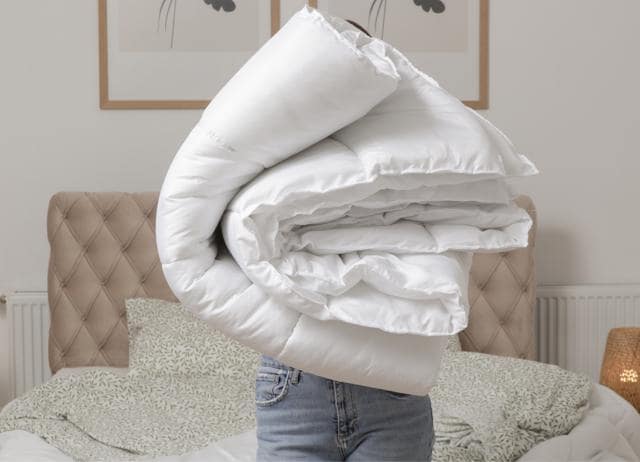
The claim: A topper, essentially a cushioned, removable top layer for your existing mattress, aims to change how your bed feels. There are firm ones to counteract a too-soft mattress and vice versa. They’re also easier to clean than a bigger deeper mattress. Prices range from ₹3,500 to ₹15,000.
Shashank Singh, a 32-year-old merchandiser in Delhi, was looking to fix the stiffness and pain his soft mattress was causing. A new one would cost ₹30,000; his doctor recommended a two-inch latex topper from Dreamzee for ₹10,500. “I’m of the opinion that a firm mattress is the way to go,” says Dr Ramneek Mahajan, orthopaedic surgeon at Max Super Speciality Hospital, Saket. “The back needs to be well supported.”

Our verdict: A topper is a cheap fix, but only for a small set of problems. A topper cannot fix a sagging mattress. A too-soft top layer might cause more problems than your bed. Memory foam filling traps heat and might just make sleeping less comfortable, while polyester offers no pressure relief, and fill will flatten out so quickly, you’ll realise why they were the cheapest option. Get a topper that secures to the mattress so it doesn’t slide around. If pain is driving your purchase, get medical advice first. And remember, a new mattress might just be the smarter buy.
Walking pads
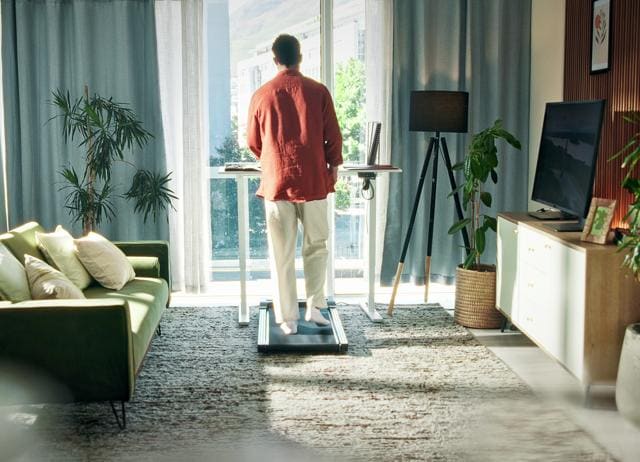
The claim: Compact, ultra-slim, they’re like a treadmill you can walk but never run on. The ads sell the fantasy that you can casually walk for hours at home, while you binge Netflix or work, getting 10,000 steps in without sweat or a gym routine. Expect to pay ₹10,000 for brands such as Lifelong and Cult.
Sneha Manikyam, 31, a software engineer in Bengaluru, bought Lifelong’s Fit Pro to do 15-minute walks at home, after every meal. “I don’t have an excuse now”, she says, even when it rains. But her machine heats up after 30 minutes. Dr Mahajan says that walking pads can break up sedentary time, but should complement, not replace, cardio and strength training.

Our verdict: A walking pad runs on speeds of 1.6kmph to 3.2kmph. That’s not even a brisk walk. Even if you use it every day, you only amble. YouTube has more serious home-workout walking videos that don’t need a machine (Brunch loves old-school Leslie Sansone!). If you already have a way to get your steps in, don’t spring for the pad. It’s not an exercise or weight-loss device. But it will do well for older folks, or those recovering from illness.
Robot vacuum cleaners
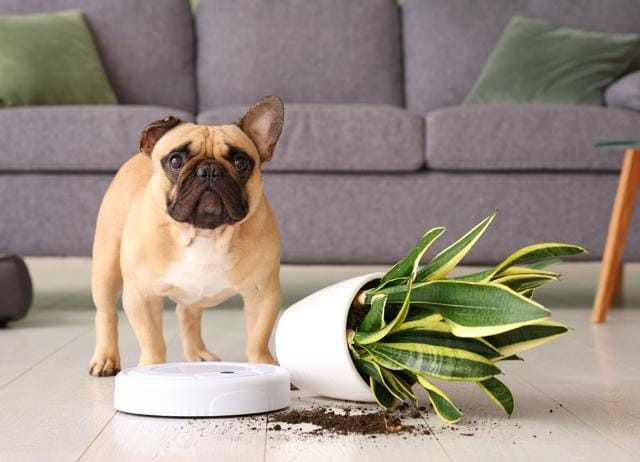
The claim: Brands such as Xiaomi, Eureka Forbes and Dreame sell devices that offer vacuum cleaning and floor-mapped, wet-mopping. Prices range from under ₹10,000 to more than ₹50,000 depending on the frills.
Yashvardhan Jindal, 24, a tech consultant in Gurgaon, bought a Xiaomi Robot Vacuum Cleaner S10 for ₹24,000 in December 2024. He uses it to clean up after a house party and for everyday light upkeep. He can “put it on duty and relax”, he says, though he still has to empty the device and refill the water tank himself. The cleaner occasionally gets stuck or miss spots in his apartment.

Our verdict: Whether you clean your home yourself or hire household help, picking a robot vacuum is about more than the money. The robot will only clean the floor – it won’t dust the walls and furniture. So, consider how big the home is, what the floors are made of, what kind of mess is created every day and whether are a pets, spills, tight corners, carpets, high thresholds, stairs and construction dust floating in all day.
Most robot cleaners struggle with liquid clean-ups, can’t reach corners and tight spots. They clean carpets and pick up hair better than they do debris from tiled floors. Floor mapping is useful, a one-time setup. Even then, a robot can’t roll over cables, and have been known to knock over vases. Plus, they’re noisy. Consider getting one if you are willing to clean the device when needed and there’s a human to work the areas a robot cannot.

Personal assistant services
The claim: AI-based automated systems let paid subscribers outsource reminders, follow-ups, appointments and errands to people within their circle. Faff offers a free first month, then charges ₹399 + GST for up to eight tasks or ₹1,999 + GST for unlimited tasks, says co-founder Anirudh Mittal.
Priyanka Kartari, 38, a Mumbai-based therapist and founder of The Thought Co., is on the unlimited plan. She has used it to plan a trip to Lonavala with her four-year-old son and track expenses. It also handles follow-ups within her team and household (AI voices do the calling and reminding, and report back if the calls go unanswered). Mittal says common requests include vendor coordination, customer-care follow-ups and restaurant or doctor appointments. “I’m paying to take away my mental load,” says Kartari.

Our verdict: If tasks regularly pile up and need chasing or coordinating, paying for AI to do it can make sense. But don’t automatically choose the unlimited plan. Try out the cheaper version to see if you and those you are coordinating with are open to communicating with AI several times a day. Also, like most AI, this service means giving up some of your data: Personal scheduling, location data, payment information, texts, contacts. If well-trained human assistants seem like unicorns, this might be a good alternative.
From HT Brunch, October 17, 2026
Follow us on www.instagram.com/htbrunch


