
 E-Paper



Good vibes only? Why India must step up with donations and charity

 Prefer HTon Google



Why does India love the idea of charity, but stop short of actual donation? Is there a way to open our hearts and wallets better?
When Sameera Mehra’s dog , Diesel, passed away from a kidney infection in 2019, the Delhi-based financial consultant was, naturally, devastated. It took weeks before she realised she’d have to get rid of his bowls, toys, beds and mats. Throwing them away seemed cruel. So she took them to the local animal shelter. “Watching all the rescues there, some of them in terrible condition, I had an epiphany,” she recalls. “I didn’t have Diesel, but these dogs had nobody.” Mehra donated ₹11,000 to the shelter that day – Diesel was 11 when he passed.
Every year since then, on Diesel’s birthday in August, Mehra says she gives that amount to the shelter. Her sister, Rashee Mehra, collects newspapers from her house, and that of her parents, loading them into her car and drops them off roughly every month. Animal shelters use newspaper as bedding, to keep areas clean, to line cages. Shelters welcome them. Some, like Delhi’s Friendicoes, will even send someone to collect them from your home if you have over 50 kgs. “This is the least we can do,” says Mehra.
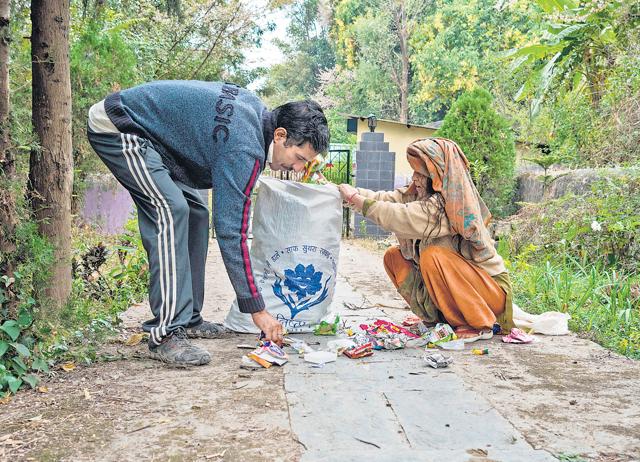
In India, it’s more than what most people do. India’s Ministry of Statistics and Programme Implementation lists 3.3 million registered not-for-profit institutions. GuideStar India, which tracks non-profits and aid, estimates at least two million of them to be operational. This means that India may have the most non-profit institutions in the world.
Donation is largely viewed as a positive act. The India Philanthropy Report 2024, released by Dasra, and consultancy firm Bain & Co, shows that private philanthropy (rich families giving away wealth) reached ₹1.2 lakh crore last year. There’s a 7% rise in corporate social responsibility spending too. But among everyday urban folks, the purse-strings are tight. Few earmark financial donations into their household budget. Even in cities where the workforce is relatively better off, people cling to the idea that living is too costly to think of the less fortunate.
How India Gives, an ongoing study of 81,000 households conducted by the Centre for Social Impact and Philanthropy at Ashoka University and the Worldpanel Division of Kantar, released its second edition of its 2021-2022 report last year. It found that while Indian households donated a hefty ₹27,000 crore in that period, much of the giving (98%) was in cash, to religious organisations and those who begged. Donors who did not give to non-religious organisations said they did not trust that the money would be used for the intended cause.
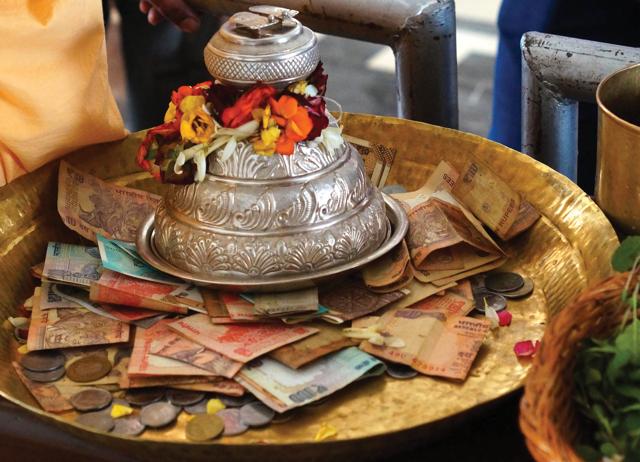
Worse, only 1% of the households did any volunteer work. Indians are quick to dismiss public philanthropy as showing off, or done to evade tax. They’re distrustful of sharing wealth outside of religious circles. They don’t contribute their time or skills to those in need. Suman Khanna Aggarwal, founder and president of Delhi’s Shanti Sahyog, works towards education, healthcare and elder care in the city’s slums. “It doesn’t take more than a few hours of a Saturday morning,” to teach young children the alphabet and numbers, she says. But finding volunteers have been a struggle since they started operations two decades ago.
Many now prefer one-time donations – contributing small sums to a single case on sites such as Ketto or Milaap. But there’s still no concentrated public effort to develop a culture of charity. For those looking to do more, start small. Goonj, which works towards disaster relief, humanitarian aid and community development, has a volunteer section on their website. They look for translators, someone good with PhotoShop, a videographer, advocates for menstrual hygiene, and more. Most charities need a few hours of email correspondence, proof reading, graphic design and event-coordination work to get closer to their goals.
And money still helps. Consider bequeathing your savings to a cause you believe in. You have a lifetime to choose your favourite one.


