
 E-Paper



HT Brunch Cover Story: Sobering thoughts
An unusually honest chat between actors Pooja Bhatt and Imaad Shah on how she beat alcohol addiction, and how he steers away too


Pooja Bhatt and Imaad Shah are laughing. “You know what’s funny?” she giggles. “I got a call to endorse an alcohol brand today. I said I can’t! It would be terrible for their business! Life’s timing is hilarious!”
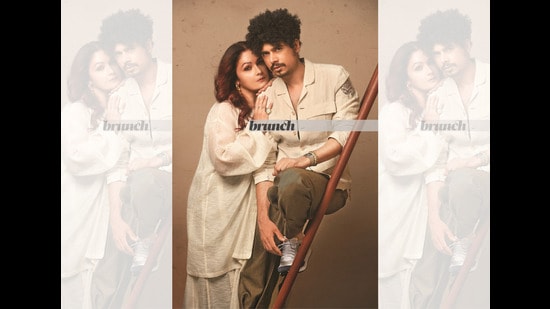
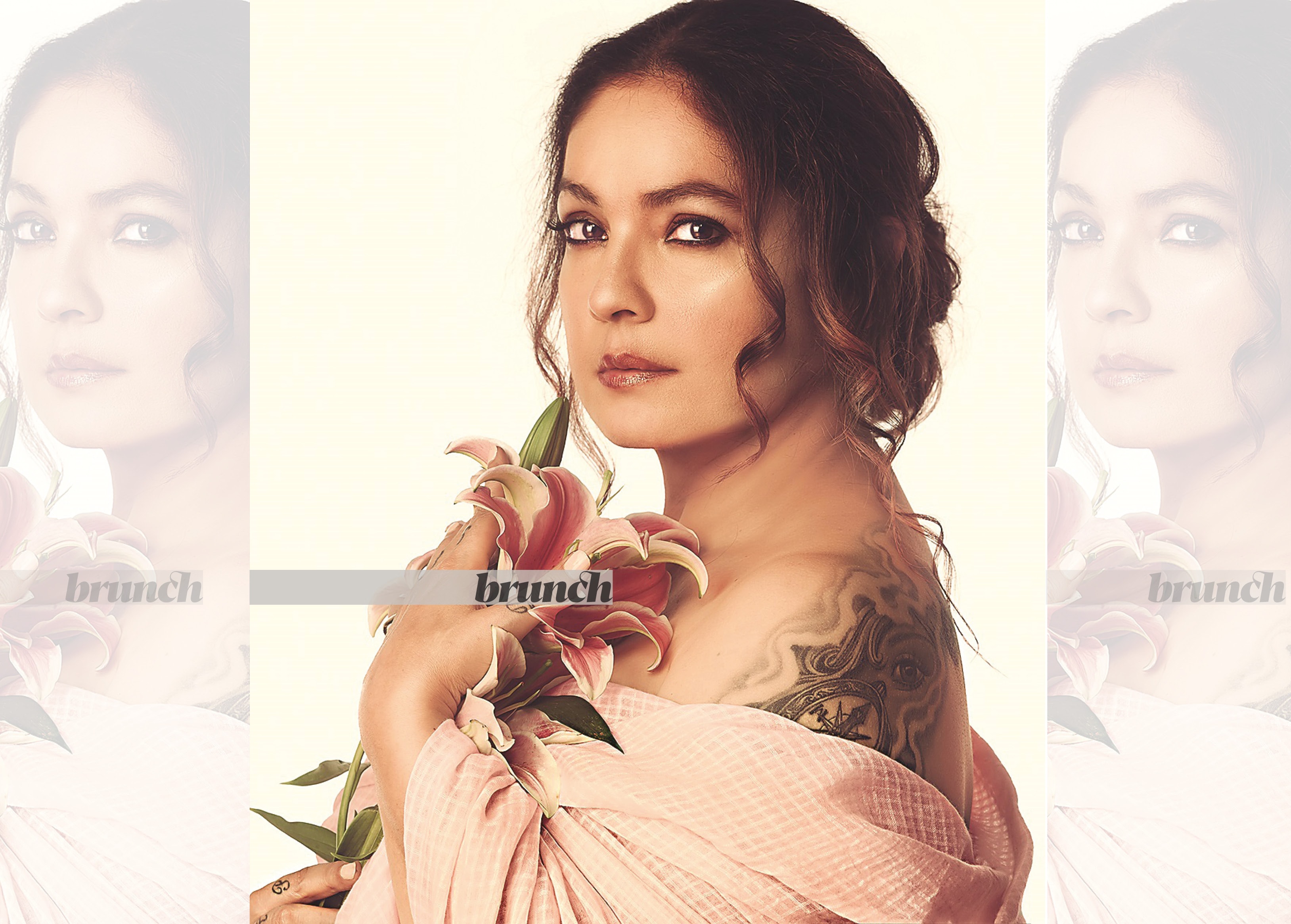
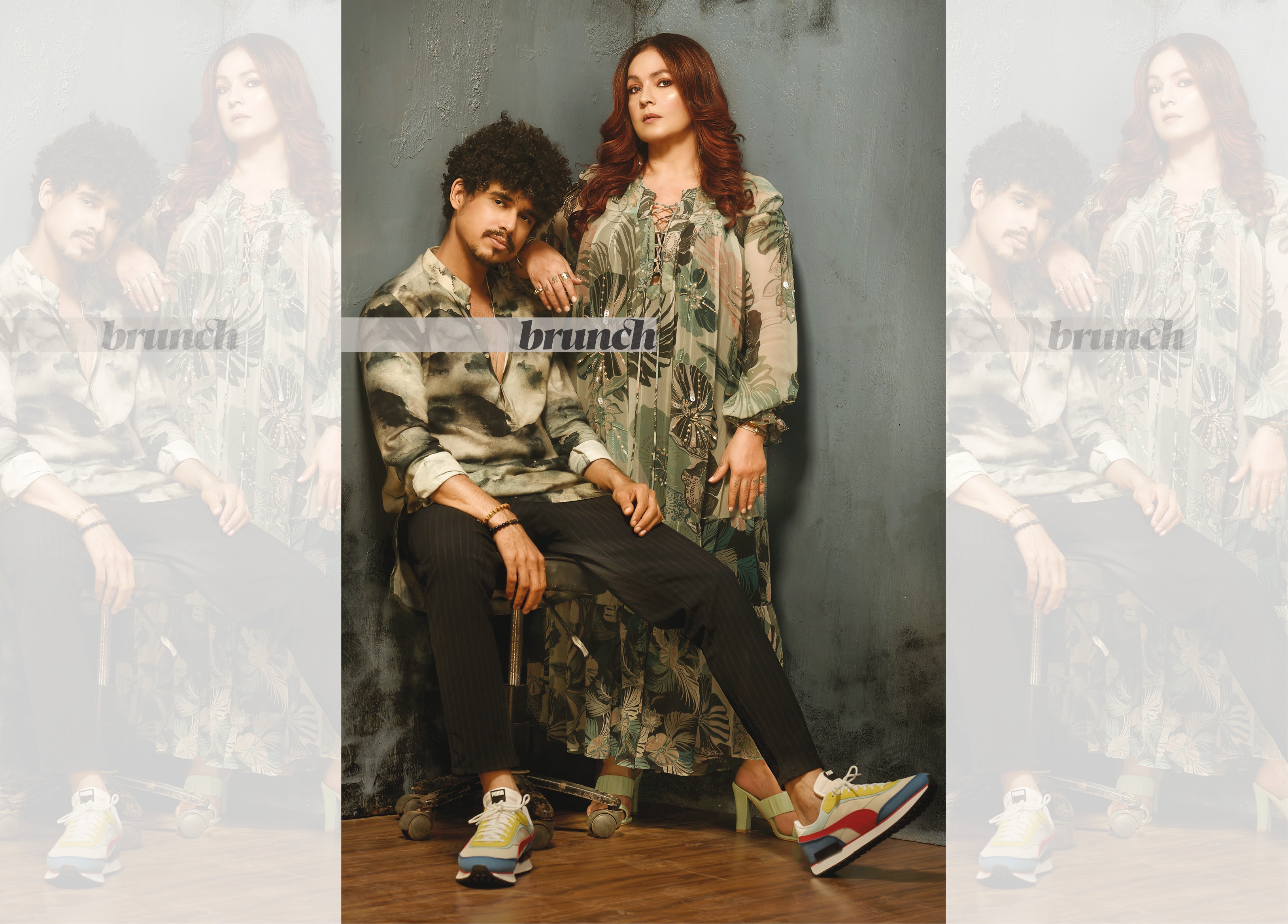
Actor Pooja Bhatt, 49, has been proudly sober for four and a half years now. Millennial musician and actor Imaad Shah, the son of actors Naseeruddin Shah and Ratna Pathak Shah, understands the demands of two high stress professions and knows that it takes considerable work to protect oneself from addiction. The two of them have joined HT Brunch to discuss addiction: Is there a link between art and addiction? What happens to make one addicted to any particular substance or emotion? Is there a stigma attached to it?
Pooja is not the diva one expects after 32 years in the film industry. Imaad Shah is a shy, yet ‘cool dude’ (according to Pooja). When the two of them talk about the things that matter the most, they are mesmerising.
The ‘socially acceptable’ drug
“Addiction isn’t unique to the arts,” says Pooja. “We’re living in a world where it’s far more difficult not to drink alcohol than it is to drink it! I have had to make more excuses for not drinking than I have for drinking. Initially, people can’t believe you aren’t drinking, and say, ‘You’ve quit!? Forever?’! Followed by ‘Come on, yaar, today is my birthday/anniversary/etc!’”
Imaad interjects, “They take it personally!”
“Alcohol was the drug of my choice. It is a drug. Just because it’s socially acceptable, it doesn’t mean it isn’t,” says Pooja. “Addiction is in the male domain and society gives men the opportunity to say ‘I was an addict and have kicked that bottle’. But somehow, women are not given that privilege. Women drink in private, so where’s the question of recovering openly?”
With meetings mostly happening over wine or beer, deals at breakfast and happy hours, alcohol is everywhere. “And Mumbai is a high-pressure city. Covid has kind of fuelled all the anxieties and uncertainties within us. It’s not easy. Every sober day is an uphill task and a reward as well,” says Pooja.
Imaad confesses that non-stop touring, lack of rest, lots of late nights, plus a profession that’s always in the vicinity of alcohol had made his days more draining last year. “And now, I’ve realised the value of sleep,” he smiles, as Pooja exclaims in agreement.
![Imaad says in the future, alcohol addiction might start feeling like a quaint thing of the past as there’ll be other kinds of addictions [like social media]; Jacket, Mr Berry; t-shirt, Zara (Subi Samuel)](https://images.hindustantimes.com/img/2021/04/18/original/7a434370-9ea3-11eb-9c53-a315e5836009_1618734147937.jpg "Imaad says in the future, alcohol addiction might start feeling like a quaint thing of the past as there’ll be other kinds of addictions [like social media]; Jacket, Mr Berry; t-shirt, Zara (Subi Samuel)")
Do you remember…
Pooja quit drinking on Christmas Eve, 2016. It was a conscious decision made after a text exchange with her father, filmmaker Mahesh Bhatt, though their conversation had nothing to do with alcohol. Her father had written: ‘If you love me, love yourself because I live in you’.
“I read between the lines and told myself that from today onwards, I’m going to be the best me. So what did I do next? I went out and drank half a bottle of single malt,” remembers Pooja.
The next morning, December 24, as she suffered through the hangover, she asked herself, ‘Is this being the best you?’
“The answer was a resounding no,” she says. And for the first time in years, Pooja remained in her Bandra flat with her four cats, listening to the church bells ringing, and not drinking a drop of alcohol. “The next morning I woke up feeling like I had conquered Everest,” she beams.
For Imaad, the realisation that he might have been heading towards addiction came slowly. But he does know when it all came together. “On March 15 last year, I had come back from a crazy wedding party. It had been a sort of ‘end of the world party’, given Covid!” he recalls.
That sober life
What’s sobriety been like? “Mind-altering,” says Pooja. “Believe me, it’s a trip – you’ve got to try it. I felt higher sober than I’ve felt being high on anything I have abused in my life. That’s not just a blurb.” She admits that she would not have been able to throw herself as willingly and openly into her comeback, Netflix’s Bombay Begums (2021), if she still had alcohol in her system.
“Being sober means sitting with yourself without leaning on any externals, not trying to escape through a bottle or relationship. I understood there was something I’m trying to escape, which was why I was leaning so much on alcohol,” Pooja says. Being content with herself also helped her stay centred during the lockdown.

“I’m not averse to love but I’m not looking either. I’m in a great space and if somebody can fit into that space without taking too much of my time and energy, then wonderful. Otherwise you keep your demons and I’ll keep my friendly ghosts,” Pooja laughs.
Imaad’s inspiration was more work-related: focusing on getting fit. “I was prepping for a show that has a lot of action in it. Alcohol and fitness were just not compatible. We tend to look up to actors who are very intense on screen with their performance. For that, I need to be fit,” he says. There was peer pressure, but he rode it out. “The pressure was more often about me succumbing to temptation. Conquering that feeling is the definition of the healthy relationship I share with alcohol today,” he says.
Adds Pooja: “A lot of crap fell away from my life and a lot of gems were revealed. People distanced themselves from me because I was a reminder to them that they can’t quit and that they may have a problem. You want to find out who your friends are? Get sober.”
“I feel that too,” says Imaad. “What I needed was a way to perhaps enjoy a little alcohol, but not have it affect me physically or mentally. Waking up without a hangover is the best feeling in the world.”
Sticky stigma
There’s definitely a stigma attached to addiction. “There are those who say, ‘Oh what do you know, you’re just an alcoholic,’” remarks Pooja. “To which I say, ‘Recovering alcoholic and proud of it’. All of us should hold our wounds and scars to the world with pride because we’ve survived. It teaches you so much. There was a knee-jerk response last year, with the authorities wanting to make criminals out of anyone who’s an addict. With that, you are forcing a whole generation to not even dare to ask for help. Because they think they’ll go to jail if they do! We need to really evolve as a society.”
Imaad also hesitates to talk about addiction. “There may be oversimplification or people will try to dismiss the more nuanced and sensible things you say,” he explains.
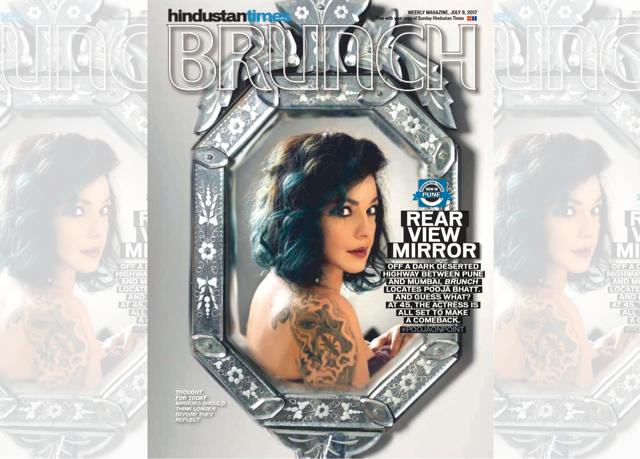
Pooja warns, “If we don’t grow up as a nation and be a little more sensitive, we’re going to have a generation of kids completely separated from their families, with half a chance to pull out of any kind of addiction.”
Social media can be also a kind of addiction and the younger generation could perhaps learn from this discussion in HT Brunch, says Imaad.
“In the future, alcohol addiction might start feeling like a quaint thing of the past. There’ll be other kinds of addictions which will not be called addictions. That’s the thing about the Internet. You don’t view it as an addiction, you view it as a lifestyle. And so do your kids and so on,” ponders Imaad.
Follow @kkuenzang on Twitter and Instagram
From HT Brunch, April 18, 2021
Follow us on twitter.com/HTBrunch
Connect with us on facebook.com/hindustantimesbrunch


