
 E-Paper



Passions: Where is the love?

 Prefer HTon Google


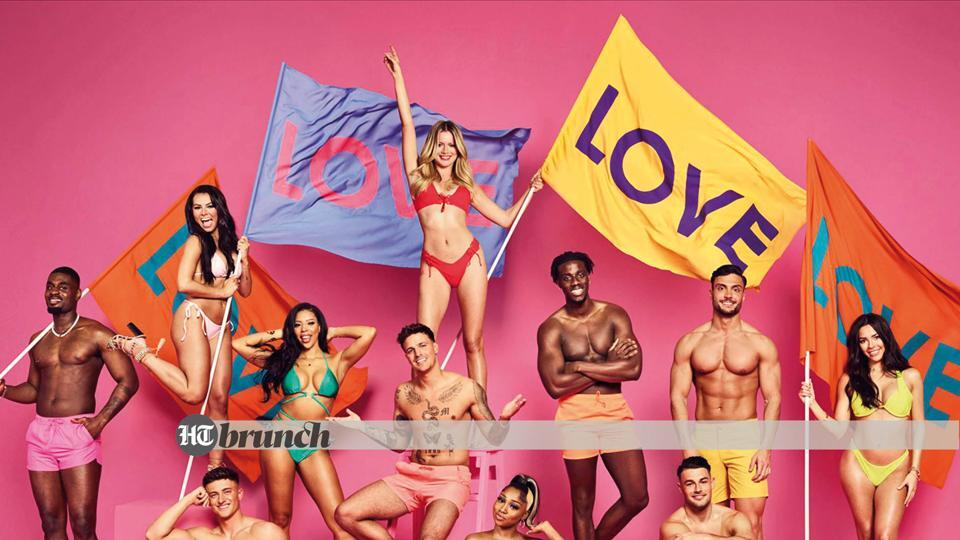
Will brands lose out if celebs wear pre-loved clothes onscreen? A sustainability advocate and costume designer-stylist discuss
“Actors wearing a brand onscreen is an easy marketing tool”
By Indrakshi Pattnaik

Actors wearing brands and designers in films and TV shows mutually benefit everyone. Actors get to wear something that costs lakhs for free for a few hours, brands get noticed, the production house saves money and designers get the limelight. This helps build relationships, and facilitates more work together. Ideally, this should happen only when it’s pro-bono.
Doing this pro-bono may not help brands financially, but they get credit. For example, on Koffee With Karan, credits for what Karan Johar and the guests are wearing will be given. And credit goes a long way. This is the easiest way for brands and designers to market their products to the masses.
The idea behind this process is to put together an aspirational look. If an actor can make it look iconic, that’ll stick forever. Today, this happens on social media, too. You spot what actors are wearing and designers share the information.
This doesn’t mean celebrities can’t promote pre-loved clothes. If actors made a movement of repeating outfits—that would be iconic.
One way to endorse pre-loved wardrobes in videos would be to credit the outfit as ‘vintage’. For example, “XYZ is wearing a vintage ABC outfit from XXX store”. That way the designer and the collector both get credit.
Indrakshi Pattnaik, 32, is a costume designer and fashion stylist who sourced pre-loved clothes for her latest work, Loop Lapeta (2022).
“When shows use pre-loved clothes, it becomes a discussion”
By Saachi Bahl
Celebrities play a key role in shaping consumer trends. So, when shows like Love Island promote pre-loved fashion or ‘conscious’ choices, they create awareness among the masses about sustainability.
In many Eastern cultures, giving items that you no longer need to someone else who can use them is the norm. But while ‘vintage’ items are treasured and traded across the world, many consumers are on the fence about buying pre-loved clothes. So, shows with mass outreach can play a big role in making pre-loved clothing more socially acceptable. In turn, this can help dismantle stereotypes about second-hand clothing, such as fears that items carry another person’s energy or that thrift is equivalent to shabby clothes. And consumers can be shown how pre-loved clothing can do good for the environment by rethinking the notion of waste. After all, each recycled item has been kept from going into a landfill.
I must admit though, that having celebrities wear pre-loved clothes to spread awareness is only scratching the surface of the idea of sustainability. Other aspects of sustainable fashion include creating a demand for indigenous artisanal cultural crafts, rethinking the idea of ‘need’ in a consumerist world, evaluating supply chains of fashion and so on.
Real sustainable fashion is more of a lifestyle shift than a style statement.
Saachi Bahl is a sustainability advocate, consultant and writer, and the founder of sustainable clothing projects, Saahra and ConsciousEffort.
From HT Brunch, June 25, 2022
Follow us on twitter.com/HTBrunch
Connect with us on facebook.com/hindustantimesbrunch


