
 E-Paper



Season’s eatings: How Indian menus are adapting to climate change

 Prefer HTon Google


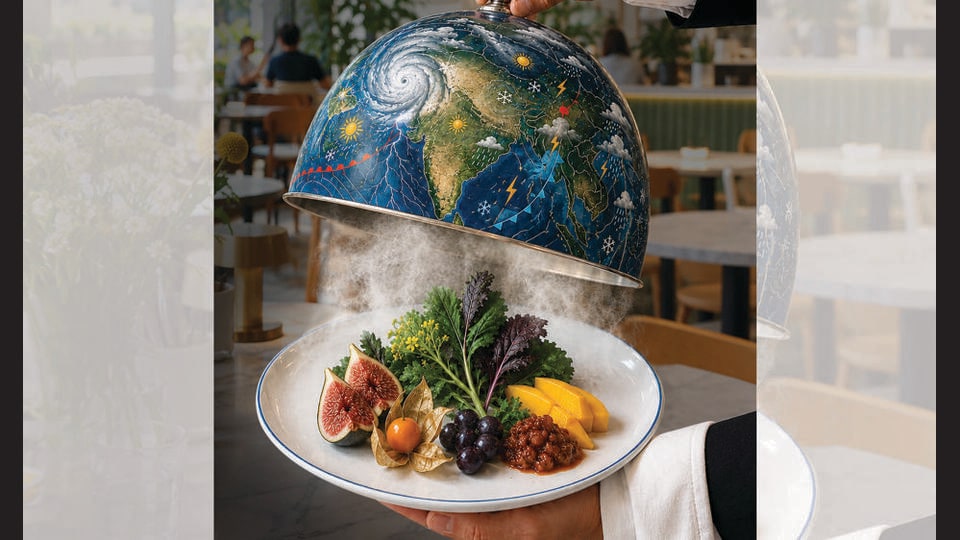
When the weather bites, chefs bite back. Mango crop ruined? Serve aam paana. Bumper citrus crop? It’s a monthlong fest. Your fav dish won't taste the same twice
The next time you pick up a menu, look for a secret hiding in plain sight. Seasonal food used to mean a chalkboard of mango specials in May. But as harvests get less reliable in the climate crisis, restaurant owners across India are finding it harder to follow a set menu. So, they’re switching to a risky model: Dynamic recipes. These are dishes that sound the same, and are priced the same, but are made differently depending on the availability of ingredients.
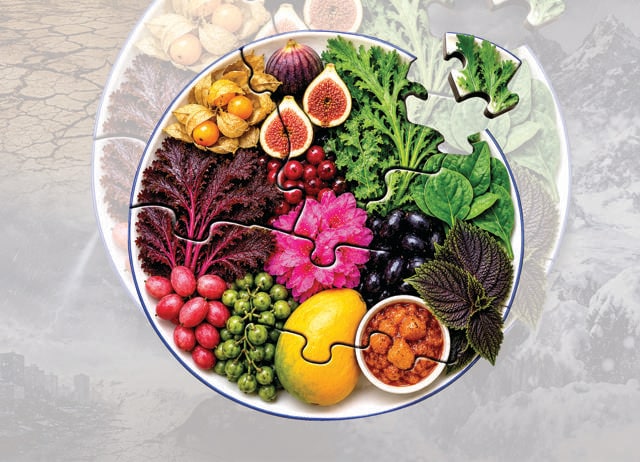
At Delhi’s Fig & Maple, the signature salad is on the menu all year round. Order it in December and it will contain fresh figs, cape gooseberries, mustard greens and mizuna. In May, it arrives looking familiar. This time, it’s made with Malabar spinach, amaranth, mangoes, and melons. Dynamic, like rush-hour Ubers, flash-sales on Amazon, airline seat pricing and so much else in our uncertain world. And it’s hard to get right.
Season’s eatings
Because running a restaurant is the exact opposite of browsing the bazaar and cooking at home. A commercial menu is set, the flavour combinations locked in, the dishes crafted for both memorability and profit. Most diners revisit restaurants precisely to eat the things they liked before. This can’t happen if veggies and ingredients are unavailable because it rained too early, summer got too hot, or winter ghosted the farm this year.
So, commercial kitchens are rethinking how they operate. At Fig & Maple, chef-founder Radhika Khandelwal still showcases seasonal ingredients. “What we aim for is a consistent experience, not a consistent ingredient list,” she says.
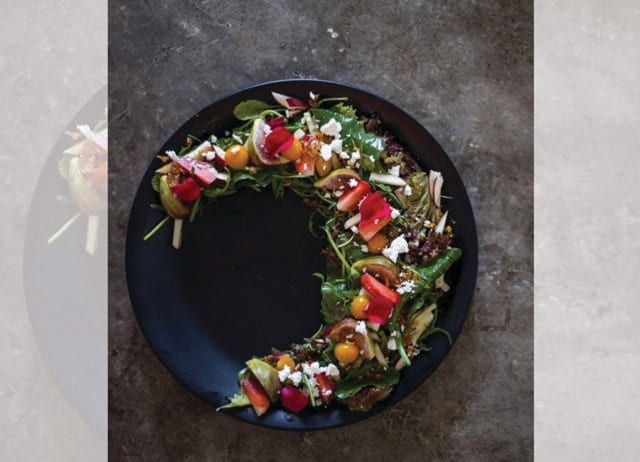
Khandelwal’s conversations with farmers used to be about deliveries. “Today, we discuss weather forecasts, crop health, and contingency planning.” Kafal berries from Uttarakhand rely on a balmy summer; certain varieties of Himalayan citrus simply don’t reach markets if there has been too much rain. So, instead of locking dishes around one hero ingredient, their recipes accommodate what’s available.
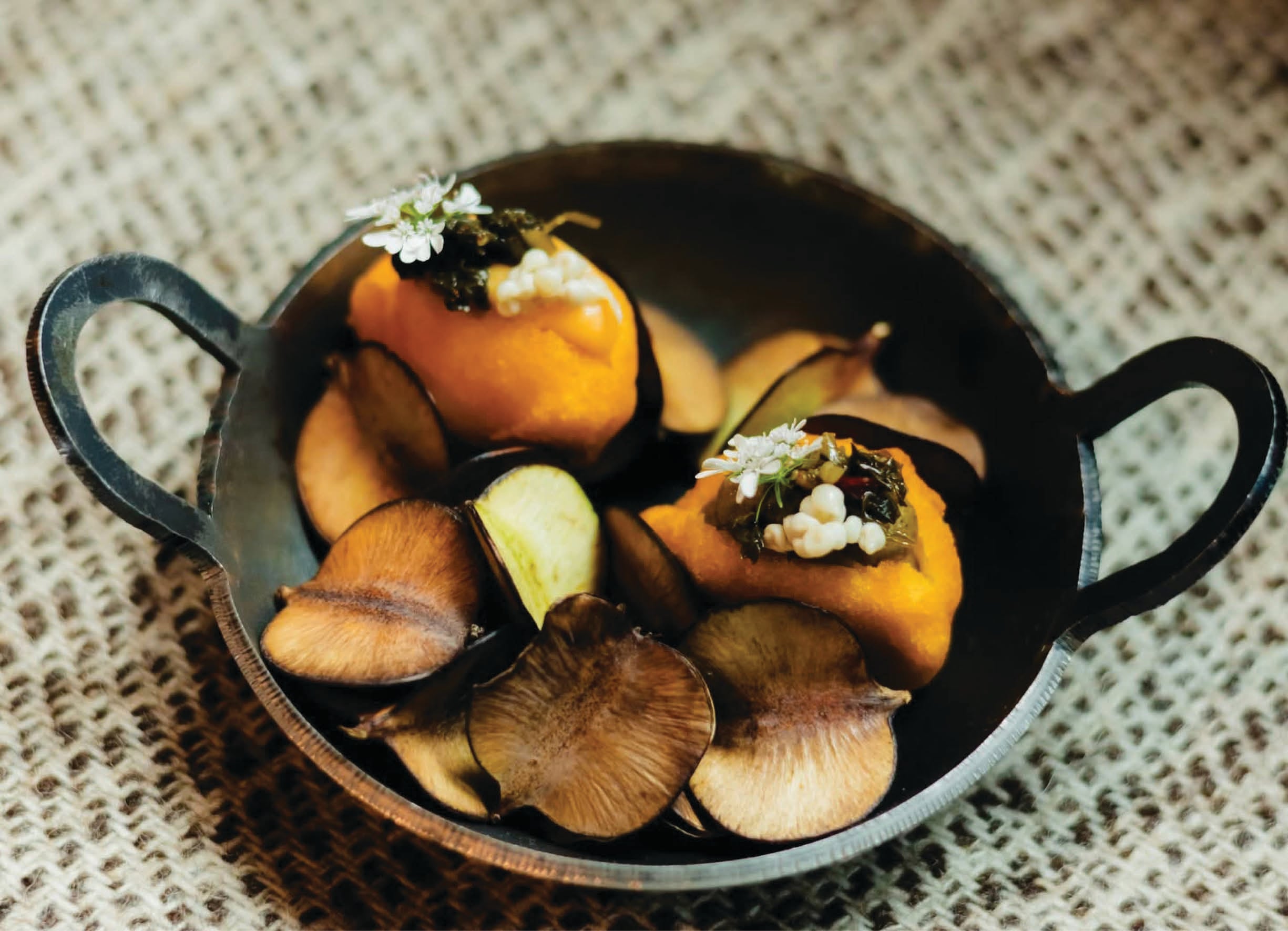
In the Himalayas, rhododendron blooms used to herald the arrival of spring in the mountains. “But that clock has shifted,” says Prateek Sadhu, who runs the celebrated restaurant Naar in Kasauli. “The flowers come earlier than usual, and some years, by the time we start harvesting, they’re already gone.” Wild mushrooms, Himalayan berries, and foraged herbs are available in shorter, less predictable windows. “That’s what climate change looks like up here. It’s not that an ingredient disappears. It’s that the calendar itself moves, one season bleeding into the next, until the rhythm we relied on stops holding.”
Berry different
In the restaurant business, as with any business, it helps to have some control over the means of production. Mumbai restaurant, The Table, operates its own one-acre farm 100km away in Alibaug, growing cabbage, cauliflower, beetroots, kale, and basil. It gives co-founder Gauri Devidayal a unique vantage point: She can see seasonal changes in real-time and respond, almost immediately, with adaptations on the menu.
Around 70% of the menu, she says, stays the same. For the rest, dishes may get added and swapped as often as every week. In 2020, an off-season spell of rain ruined her mango harvest. So, instead of featuring the ripe fruit, the team made aam panna and pickle.
Sometimes, a crop arrives on time but tastes different. Chefs have to get creative. At Fig & Maple, if a particular seasonal ingredient isn’t good enough, Khandelwal won’t force it into the menu. “Instead, we’ll reinterpret the dish with another ingredient that’s thriving at that time.” She introduces smaller seasonal menus at different points of the year. It’s more work. It’s also a risk for a restaurant – diners may not get what they came expecting, and they may never get it the next time.

Source codes
Few chefs from previous generations have been as invested in farmers and farm cooperatives as they are now. OOO Farms, a farmer-led movement spread across 60-odd villages in Maharashtra and Gujarat, works with more than 2,000 growers of tomatoes, brinjal and corn. Last year, the monsoon arrived a month early, delivering seven months of rain. It’s what co-founders Shikha Kansagara and Shailesh Awate call a “wet famine”. The prolonged exposure to water rotted crops. The typical annual harvest of 100 tonnes to 140 tonnes was a paltry 80 tonnes.
This year, it’s been a “dry famine”. The rains were a month late – a deluge one day, dry weeks afterwards. “It was too late to correct sowing patterns,” Awate says.
Some changes are harder to explain. “Take the example of khadak teri that grows on rocks,” Kansagara says. “This year, for the first time, it began growing on tree bark!” Three years ago, they noticed that the karvanda, a wild berry traditionally harvested in May, had fruited again in September. They asked the oldest person in the community, a 102-year-old woman, if she had ever seen anything like it. Gobsmacked, she declared the second fruit “cursed”.

It just might be that nature is in survival mode, fighting large-scale shifts in the weather with no playbook to rely on. Winemakers are particularly feeling it. Vallonné Vineyards, a wine estate in Igatpuri, Maharashtra, has seen wild fluctuations across 17 harvests. The mild winter between November and February once provided a predictable period for grape maturation. Those months are now warmer, rainfall is more disruptive. This affects the twice-yearly pruning, says Sanket Gawand, the director of winery operations and chief winemaker. “Rainfall during the fruit-bud formation stages can cause excess shoot growth,” and fungal diseases on the vines, affecting the whole crop.
Now, pruning dates follow the forecast, not the calendar. Irrigation is calibrated to the week’s rain prediction. “Grapes like Chardonnay and Pinot Noir are struggling as they prefer cooler conditions,” says Gawand. It means that a restaurant working a menu around wine pairings has one more thing to take into account, constantly.

Sweet truths
At Pune restaurant Ground Up, Gayatri Desai looks beyond cultivated produce and includes wild foods. Her logic is simple: Take something that exists for a short window and give it a big showcase. She has worked with terda (a wild plant she describes as a cross between drumstick and asparagus), serving it with beer cheese and cacao nibs. “There’s a salad with bamboo-infused butter in the dressing,” she says.
The chef can plan a dish, work out its costs, train the team, promote it on social media and lure diners in. But one call from a farmer can change all of that. Recently, OOO Farms told her that untimely rain had affected the yield of Tulshya rice. Instead of waiting around for another harvest, Desai took the smaller harvest and built “a menu around that ten-day window”.

Meanwhile, growers are thinking different about their very purpose. For decades, farming was measured in terms of yield per acre or how much food could be extracted from a piece of land. At OOO farms, Kansagara and Awate work out nutrition per acre, or what the land can produce even in a bad year. It’s how chefs are viewing their menus too. “We’ll probably see more frequent menu changes, stronger farmer relationships, and a renewed respect for ingredients that naturally thrive in local conditions,” Khandelwal says.
This increasingly means that the best menu is no longer the one a restaurant can guarantee. It is the one that nature allows it to cook that day.
From HT Brunch, September 12, 2026
Follow us on www.instagram.com/htbrunch


