
 E-Paper



Seggs, grape, unalive: Why creators can’t say what they mean

 Prefer HTon Google


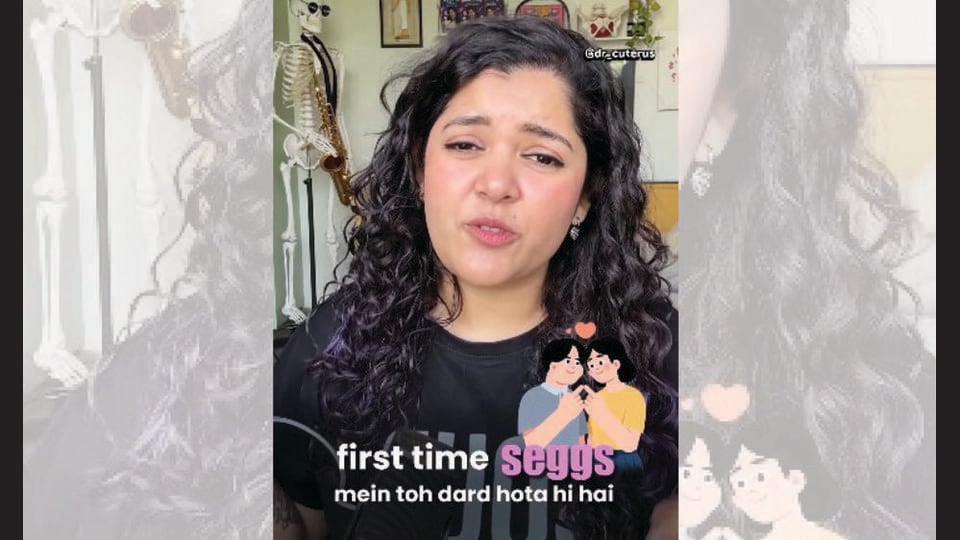
On Insta, a parallel lexicon is taking shape. Typos? No. Just cheeky ways to trick an algorithm that hasn’t made its own censorship rules clear
When Dr Tanaya Narendra, one of India’s best-known sexual health educators, discusses myths around pain during sex on her page @Dr_Cuterus, the subtitles spell it SEGGS. The typo is deliberate, the 32-year-old embryologist says. Two years ago, Meta informed Dr Narendra that her account would no longer be recommended to non-followers. A handful of her videos were flagged for their sexual content. Her videos that reference human anatomy were repeatedly scrutinised. “These are not explicit sexual messages. It is literal medical information.”
She didn’t want to waste her time filing appeals. Instead, she changed her vocabulary. “Vagina became “vajayanti”; penis became “nunu”. She now sometimes refers to sex as “boing boing”. It’s a ludicrous move. “As a doctor, I encourage people to use the right words to describe their body parts without shame. And here I am compelled to infantilise my language for the Insta algorithm.”
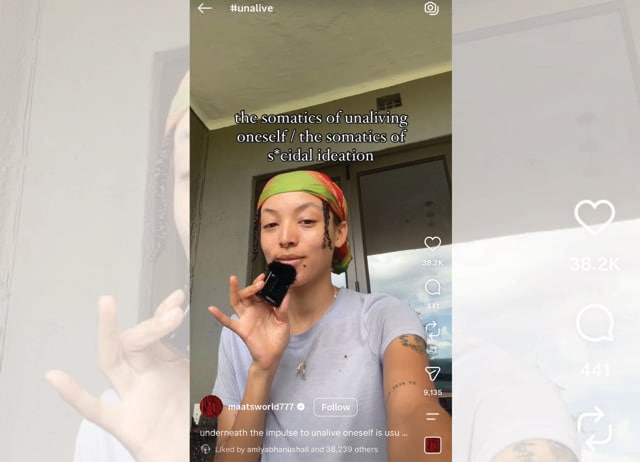
A growing number of creators are building a parallel vocabulary just for social media. Rape becomes “grape”. Porn is “corn”. Suicide is “unalive”. There’s no algo-approved list of what’s OK to post and what isn’t. It’s a workaround, a sort of cheat-sheet we’ve all learnt to read and use, even before the axe falls on our posts. “The algorithm is the invisible editor,” says Dr Narendra. And it’s changed how we communicate online.
Before you hit Publish
Full-time creators know that offending the algorithm affects their livelihoods. The creative sidestep is necessary. Arpit Sharma (31), a political-content creator based in Ireland, posts on @IArpitSpeaks. Earlier this year, two of his Instagram videos were removed after he criticised politician Raghav Chadha. So, he’s learnt to be careful. During the Cockroach Janta Party protests last month, his every script was “written first on paper and then edited with one question in mind: Could this post trigger a takedown?” Sharma deliberately emphasised terms such as “peaceful demonstration” and “within democratic means”, and kept his hashtags generic (such as #IndianPolitics, rather than mentioning a political party).
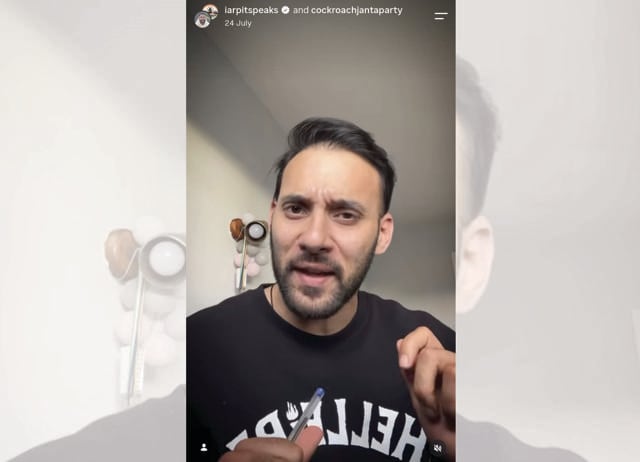
Sharma’s anxiety stems from section 69A of the Information Technology Act, which allows the government to direct platforms to block public access to online content in the interest of national security and public order. India’s Sahyog portal now works with X, YouTube and Meta to take down posts that it deems a threat. “It is this vague legal framing that makes many creators wary of what is permissible online,” says Sharma.
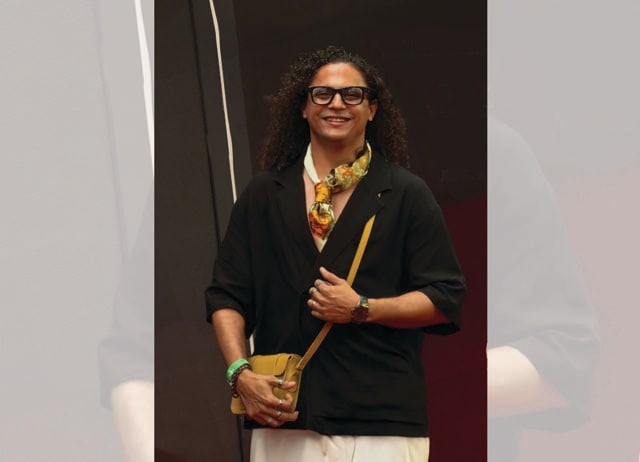
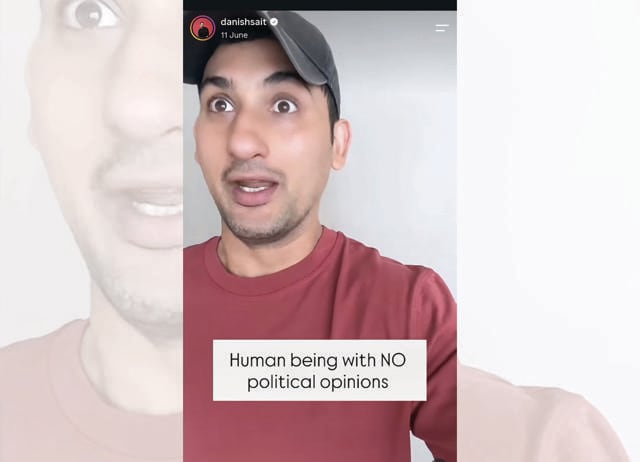
In Bengaluru, 38-year-old comedian Danish Sait was filming an episode of his YouTube series, The Shopkeeper, inside a gun shop recently. He never uploaded it. His friends and colleagues were concerned that showing firearms could trigger platform moderation or attract legal action. “They could take the channel down. They could take the video down, my friends warned me,” Sait says. “It is this uncertainty that has become part of the creative process,” he says.
Feeding the feed
Mumbai-based digital creator Zerxes Wadia (37, @ZerxesWadia) believes that most social-media software is now geared not for a creator to please existing audience, but to “introduce the content to someone new”. It’s why so many Western creators add Bollywood songs to their Reels, and Indian references to their videos. You’ve probably seen a White woman do a breakdown of the Ambani emeralds on your feed, or seen an American man compare the English and Hindi trailers of the upcoming Ramayana movie.
It works.And it does widen a creator’s reach. “Before you know it, you are less driven about what you want to create, and instead start thinking about what the algorithm wants you to create,” Wadia says.
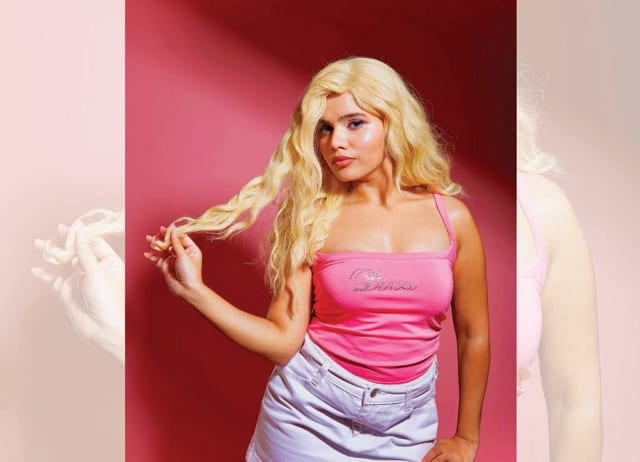
Digital creator Srishti Garg is 25 and posts content about Gen Z on her handle @SrishtiGargg. She’s seen how the ghost in the machine works. In her clips parodying The Fabulous Lives of Bollywood Wives, she used the term “twat” the way Maheep Kapoor does on the show. The video was flagged. “I didn’t even realise it had happened until I found out that if I get three strikes, my account can be suspended,” she recalls. She deleted the video.
Go viral. Stay safe
Most systems that dictate behaviour conform to an established guide: The 10 Commandments, the Constitution, a college handbook, a company’s insider-trading or whistleblower policy. With social media platforms, that guide is absent, the process of redressal is hazy. “The bigger fear for a creator now is that everything can be aimed around a single video: A defamation case filed in a far-off district court, a police complaint, a notice from some agency, a strike on their channel, an organised pile-on,” says Apar Gupta, advocate and founder of the Internet Freedom Foundation.
Audiences notice when creators delete their own content. So, self-censorship is simpler. “India’s courts have accepted that vague and heavy-handed speech laws cause people to censor themselves just to stay out of trouble,” says Gupta.
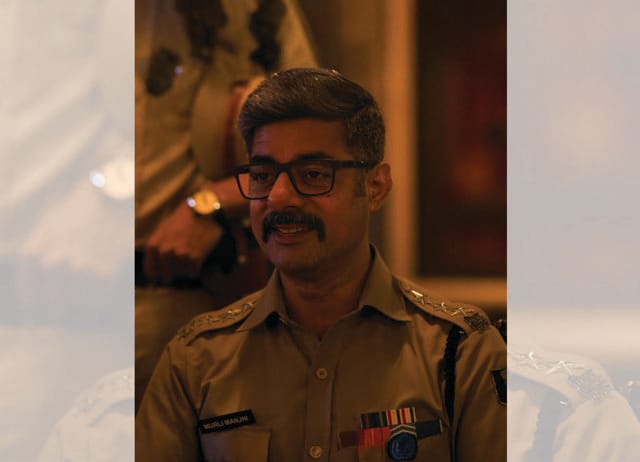
Actor Sushant Singh, a prominent supporter of the farmer’s movement in 2021 had his X account suspended that year. “I did not receive any email or notice.” The account was restored after four days. “Who ordered it? What was the threat? Was I not exercising my constitutional right? To date, I have no answers.” He no longer engages on social media. “I do not know which post of mine could cause outrage.”
Meanwhile, Dr Narendra calls it “seggs” to stay online and educate new viewers about sexual health. And we say “corn” and “unalive”, pretending they’re trendy, rather than risk offending a bot somewhere.
From HT Brunch, August 22, 2026
Follow us on www.instagram.com/htbrunch


