
 E-Paper



77th Independence Day: History of the Indian flag and significance of the Tricolour

 Prefer HTon Google


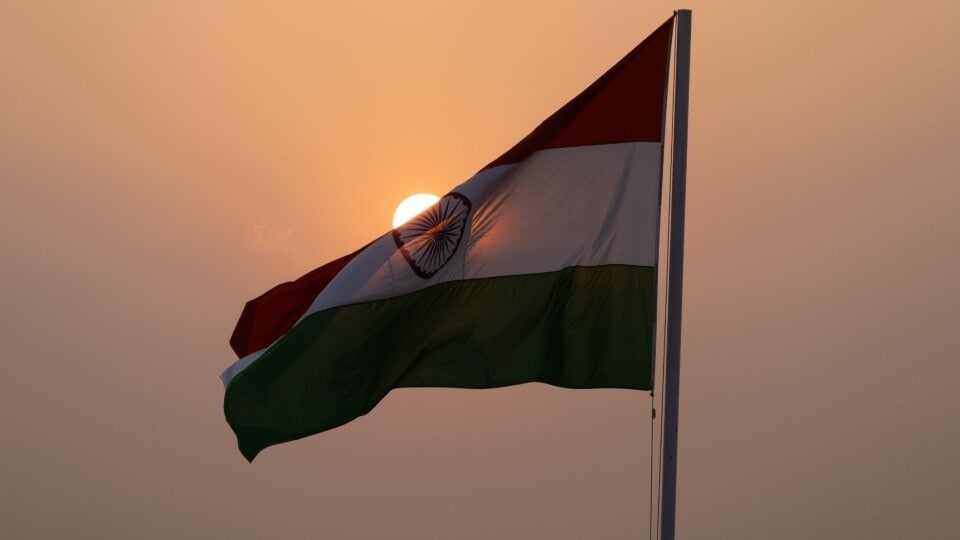
As we mark the 77th Independence Day on August 15, here's all you need to know about the history of the Indian flag and the significance of the Tricolour.
India marks its 77th Independence Day on August 15 this year. As the country celebrates 76 years of freedom, we must know its history, the struggle behind gaining our Independence, the freedom fighters who fought for us, and more. The day is celebrated with pomp across the nation as people organise events, decorate their homes in the Tricolour, read speeches and poems about freedom fighters, hoist the national flag, and more. The Indian national flag, or Tricolour, also holds a lot of significance as it is the symbol of our national pride. The Tricolour represents the hopes and aspirations of the people of India. Therefore, on Independence Day, we must know the history and significance of the Tricolour.
(Also Read | Independence Day 2023: 7 unique ways to celebrate the day with your family)
History and Significance of the Indian Tricolour
Every free nation of the world has its own flag as it is a symbol of a free country. The National Flag of India got adopted in its present form during the meeting of the Constituent Assembly held on July 22, 1947, a few days before India's Independence from the British on August 15, 1947. Between August 15, 1947, and January 26, 1950, it served as the flag of the Dominion of India. And after 1950, it symbolised the Republic of India.
Colours of the Indian Flag
The Indian National Flag has three colours - deep saffron (Kesari) at the top, white in the middle and dark green at the bottom in equal proportion. There is a navy blue wheel or the chakra with 24 spokes in the middle. It is identical to a similar design appearing on the abacus of the Sarnath Lion Capital of Ashoka, and its diameter approximates to the width of the white band. The ratio of the flag's width to its length is two to three.
The saffron colour of the Indian National Flag indicates the strength and courage of the country, the white stands for peace and truth with Dharma Chakra, and the green colour shows the fertility, growth and auspiciousness of the land. Meanwhile, the Dharma Chakra depicted the "wheel of the law" in the Sarnath Lion Capital made by the 3rd-century BC Mauryan Emperor Ashoka. It shows that there is life in movement and death in stagnation.
Flag Code: Do's and Don'ts
According to the Indian government's Know India website, the few do's and don'ts of hoisting the Indian National Flag are -
1) The National Flag may be hoisted in educational institutions (schools, colleges, sports camps, scout camps, etc.) to inspire respect for the Tricolour.
2) A member of a public, a private organization or an educational institution may hoist/display the National Flag on all days and occasions, ceremonial or otherwise consistent with the dignity and honour of the National Flag.
3) The flag cannot be used for communal gains, drapery, or clothes. As far as possible, it should be flown from sunrise to sunset, irrespective of the weather.
4) The flag cannot be intentionally allowed to touch the ground or the floor or trail in the water. It cannot be draped over the hood, top, and sides or back of vehicles, trains, boats or aircraft.


