
 E-Paper



Bhogi Pongal 2024: 5 important traditions you must know about the South India's festival

 Prefer HTon Google


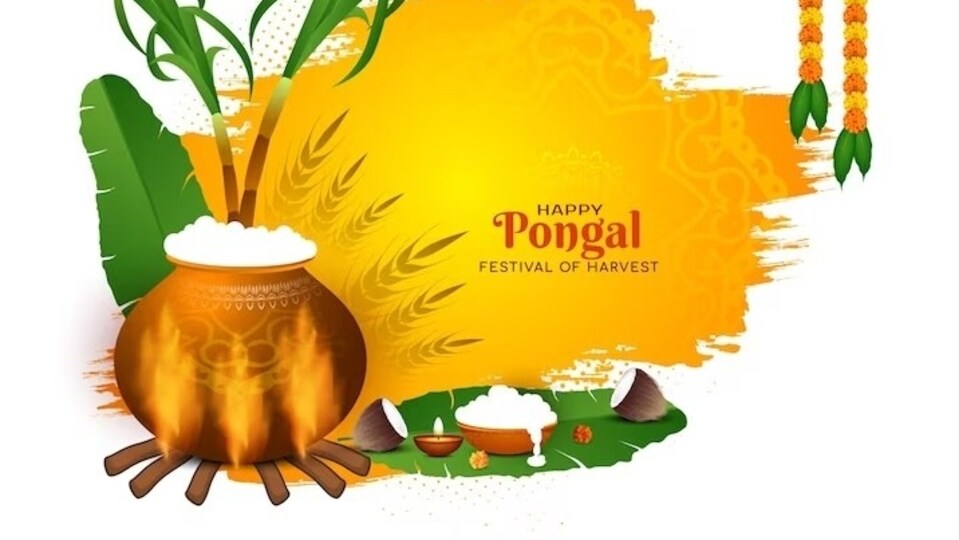
Bhogi Pongal is the time for get-togethers and indulging in delicious feasts. From Bhogi Mantalu to Pongal Panai, here are some key Pongal traditions.
The festival of Makar Sankranti is round the corner and will be celebrated with much enthusiasm and fervour in different parts of the country. Lighting of bonfire, enjoying seasonal savouries and decorating homes with beautiful floral designs are an integral part of harvest festivals. Pongal, Lohri, Makar Sankranti, Uttarayan, the same festival is celebrated with diverse rituals and traditions in different parts of the country. In South India, the Pongal celebrations last for as many as 4 days. The first day of Pongal is celebrated as Bhogi Pongal in the Tamil Nadu, Telangana, Andhra Pradesh and Karnataka.
The word Bhogi is related to indulgence, enjoyment and also food, which is true for Bhogi Pongal too where people indulge in delicious feasts with their family members, participate in singing and dancing, and enjoy the warmth of bonfire. (Also read | Makar Sankranti, Pongal, Lohri, Magh Bihu 2024 dates: Complete list of winter harvest festivals celebrated across India)
As the harvest season begins, people pray to Lord Indra, the god of rains and also Lord Sun, hoping for a prosperous and successful year ahead. On this day people get rid of old things, clothes and things that symbolise negativity for them, wear new clothes, and prepare delicacies from sugarcane, sesame seeds, rice among others.
Here are important traditions associated with Bhogi Pongal that people in South India follow:
1. Bhogi Mantalu
One of the key rituals of Bhogi Pongal is lighting of a bonfire, much like Punjabis do for Lohri. On the first day of Pongal, people clean their houses thoroughly, decorate them and wear new clothes. Things that are no longer in use are identified to be burnt in the bonfire along with cow dung cakes and wood. People wish for new beginnings and good luck as the new harvest season begins.
The evening is spent by the bonfire, singing, dancing and enjoying seasonal treats made with til, peanuts and rice.
2. Pongal Panai
On Pongal, people buy new earthen pots, draw beautiful patterns on them well and decorate them with mango leaves and other blossoms. Rice, milk and jaggery are cooked together in the pot kept in front of the house and as the dish begins to boil and overflow from the pot, the moment is celebrated by saying - 'Pongalo Pongal'. The boiling and overflowing of milk is symbolised as prosperity and abundance.
3. Worshipping cattle
Pongal welcomes the harvest season and cattle like cow and bull have a great significance in our country's agriculture. On this day, they are bathed, adorned with garlands and fed their favourite food. They are also worshipped, and gratitude is expressed to them.
4. Pookalam
Pookalam or the white or colourful floral design patterns on the floor is an essential part of Pongal celebrations in South India. After cleaning, beautiful pookalams are made by all the members of the house to give the house a celebratory look.
5. Traditional clothes
Cotton and silk are popularly worn on this festival with men preferring kurta, dhoti and angavastram, and women going for silk sarees in myriad hues.


