
 E-Paper



Eid ul Adha 2024: What's Hajj and why it is significant for Muslims

 Prefer HTon Google


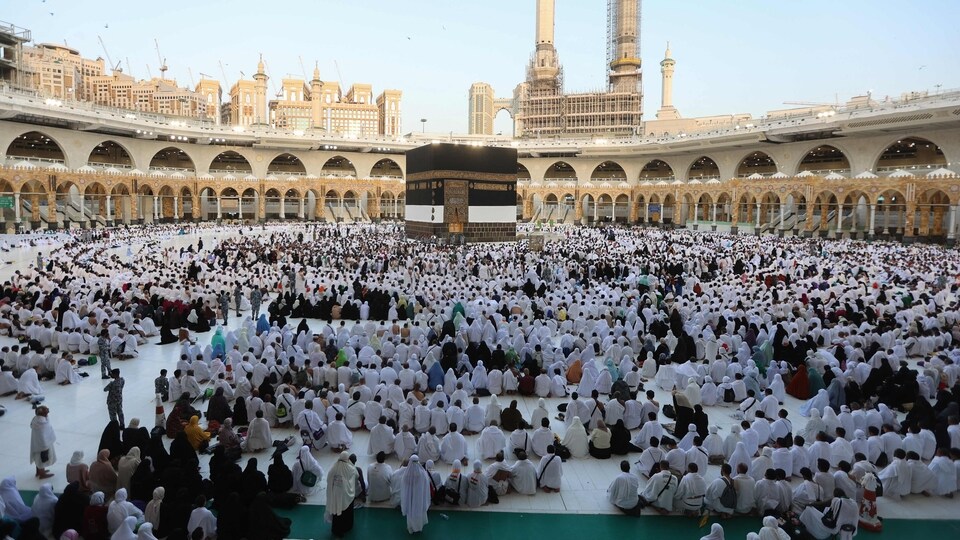
Hajj is a required pilgrimage to Mecca for Muslims once in a lifetime, uniting believers in religious rituals and acts of worship.
Once a year, Muslim pilgrims flowing into Saudi Arabia unite in a series of religious rituals and acts of worship as they perform the Hajj, one of the pillars of Islam. As they fulfill a religious obligation, they immerse themselves in what can be a spiritual experience of a lifetime for them and a chance to seek God's forgiveness and the erasure of past sins. Here's a look at the pilgrimage and its significance to Muslims.
WHAT IS HAJJ?
Hajj is the annual Islamic pilgrimage to Mecca in Saudi Arabia that is required once in a lifetime of every Muslim who can afford it and is physically able to make it. Some Muslims make the journey more than once. Hajj is one of the Five Pillars of Islam, in addition to the profession of faith, prayer, almsgiving and fasting.
WHEN IS HAJJ?
The Hajj occurs once a year during the Islamic lunar month of Dhul-Hijja, the 12th and final month of the Islamic calendar year. This year, Hajj will take place this month.
WHAT'S THE SIGNIFICANCE OF HAJJ TO MUSLIMS?
For pilgrims, performing Hajj fulfills a religious obligation, but it’s also a deeply spiritual experience of a lifetime for many. It’s seen as a chance to seek God’s forgiveness for past sins, to grow closer to God and to walk in the footsteps of prophets. Communally, Hajj unites Muslims of diverse races, ethnicities, languages and economic classes from around the world in performing religious rituals and acts of worshipping God at the same time and place. That leaves many feeling a sense of unity, connection, humility and equality. Pilgrims also show up with their own personal appeals, wishes and experiences.
Many pilgrims bring with them prayer requests from family and friends that they would like to be said on their behalf. Some spend years hoping and praying to one day perform Hajj or saving up money and waiting for a permit to embark on the trip. In 2019, nearly 2.5 million Muslims performed Hajj before the coronavirus pandemic disrupted religious and other gatherings the world over and took its toll on the Islamic pilgrimage. Last year’s Hajj was the first to be held without COVID-19 restrictions since the start of the pandemic in 2020.
Ahead of the journey, preparations may include packing various essentials for the physically demanding trip, seeking tips from those who’ve performed the pilgrimage before, attending lectures or consuming other educational material on how to properly perform a series of Hajj rituals as well as spiritually readying oneself. At times, pilgrims brave intense heat or other challenging conditions during the pilgrimage.
WHAT ARE SOME OF THE RITUALS THAT PILGRIMS PERFORM?
Pilgrims make the intention to perform Hajj and they enter a state of “ihram." Being in ihram includes abiding by certain rules and prohibitions. For instance, men are not to wear regular sewn or stitched clothes that encircle the body, such as shirts, during ihram; there are simple ihram cloth garments for men instead. Scholars say the intention is to discard luxuries and vanity, shed worldly status symbols and immerse the pilgrim in humility and devotion to God.
A spiritual highlight of Hajj for many is the standing on the plain of Arafat, where pilgrims praise God, plead for forgiveness and make supplications. Other rituals include performing “tawaf,” circumambulating, or circling the Kaaba in Mecca counterclockwise seven times. Muslims do not worship the Kaaba, a cube-shaped structure that they consider the metaphorical house of God; it’s the focal point toward which devout Muslims face during their daily prayers from anywhere in the world.
Pilgrims also trace the path of Hagar, or Hajar, the wife of Prophet Ibrahim, Abraham to Jews and Christians, who Muslims believe ran between two hills seven times searching for water for her son. Among other rituals, pilgrims throw pebbles in a symbolic stoning of the devil.
WHAT IS EID AL-ADHA?
Eid al-Adha, or the “Feast of Sacrifice,” is the Islamic holiday that begins on the 10th day of the Islamic lunar month of Dhul-Hijja, during Hajj. Celebrated by Muslims around the world, Eid al-Adha marks Prophet Ibrahim’s test of faith and his willingness to sacrifice his son as an act of submission to God. During the festive holiday, Muslims slaughter sheep or cattle and distribute some meat to the poor.


