
 E-Paper



Pongal 2024: Four days of Pongal; all the rituals of the harvest festival you want to know in detail

 Prefer HTon Google


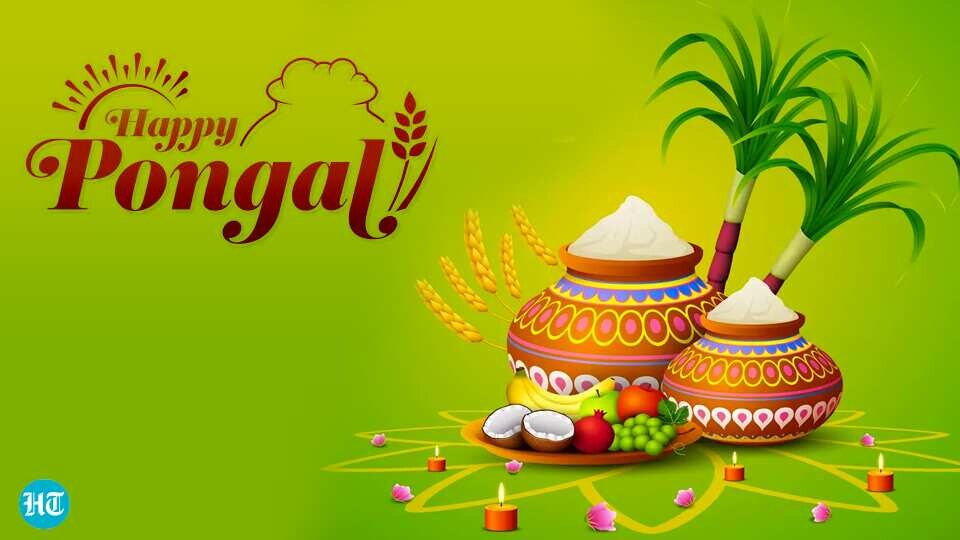
Pongal will start on January 15 and end on January 18. Learn about the special rituals associated with the harvest festival in detail inside.
The vibrant and auspicious harvesting festival of Pongal or Bhogi Pongal is widely celebrated in India and holds immense significance in Tamil Nadu. Pongal falls every year in January, during the Tai month of the Tamil Solar calendar, and lasts four days. This year, it starts on January 15 and will end on January 18. The festival is dedicated to the Sun God (Lord Surya). It marks the beginning of Uttarayan and the Sun's transition into the Capricorn (Makar) zodiac, symbolising the end of winter and the onset of the harvest season. While in Tamil Nadu, the festival is called Pongal, it is called Magh Bihu in Assam, Lohri in Punjab, and Makar Sankranti in Northern parts of India. There are many rituals and traditions involved with this prosperous harvest festival. Scroll down to read all about them.
(Also Read | Happy Pongal 2024: Wishes, images, messages, SMS, greetings, WhatsApp and Facebook status to share with loved ones)
Pongal 2024: All the rituals of the harvest festival
Pongal begins on January 15 and ends on January 18. While Bhogi Pongal is on the first day, Surya Pongal is on January 16, Mattu Pongal is on January 17, and Kannam Pongal is on January 18. Pongal is named after the traditional dish prepared during this festival - Pongal. It's a special rice dish made with freshly harvested crops, milk, and jaggery.
On Bhogi Pongal, people celebrate the festival by lighting bonfires to symbolise burning away negativity and mark new beginnings. They also deep clean their homes and decorate them with flowers, diyas, lights and Kolam. A special Pongal dish is prepared with freshly harvested rice, jaggery, and milk.
The second day of Pongal - Surya Pongal - is dedicated to Lord Surya. Devotees offer prayers at sunrise, express gratitude for the Sun God's blessings, and prepare Pongal as an offering. Meanwhile, during Mattu Pongal, people worship cattle as they are considered sacred in our culture. People decorate cows with bells, colourful beads and flower garlands. They also make special offerings to the cows. Lastly, farmers are also celebrated on this day for their tireless hard work and for ensuring a bountiful harvest.
On the last day of Pongal, Kannam Pongal, families get together to celebrate the festivities and share love, laughter and warmth. People visit their relatives, exchange gifts, enjoy traditional games, dance to traditional songs, and offer gratitude for the blessings of nature.
Meanwhile, a few other traditions associated with Pongal are making Kolams at the entrance to welcome Goddess Lakshmi, discarding old items from home, decorating the puja house to welcome the divine gods and goddesses, cooking food items for Pongal in clay pots or stoves, and tying manjal kothu around the pot. Additionally, they draw three lines with viboothi and a kumkum dot on the pot. People wear cotton and silk ensembles during Pongal - men prefer kurta, dhoti and angavastram, and women wear silk sarees in myriad hues.
In the end, Pongal is all about rice. Cooking Pongal is the most important part of this festival. While there are many versions of Pongal, people make its sweet version during the festival. It is called Sakkarai Pongal, and it is made with rice mixed with moong dal and cooked with ghee, cashew nuts, raisins, and jaggery. The spicy version is called Ven Pongal and is made with lots of ghee and spices like pepper & cumin.


