
 E-Paper



From Land of Smiles to Gurugram: I dined with Chef Bongkot Sabpong at Spectra for 6-course meal and this is how it went

 Prefer HTon Google


Chef Bongkot Sabpong at Spectra offers an unforgettable immersion into Thai cuisine, emphasising the balance of flavours and regional diversity.
Some meals in life are unforgettable, and they’re not just about the food—they’re about the incredible experience that comes with it. I recently had one of those extraordinary moments when I was invited to dive into the vibrant world of Thai cuisine and to meet Thai MasterChef Bongkot Sabpong at Spectra in The Leela Ambience Gurugram Hotel & Residences.
Thailand is often called the land of smiles, and I understood why when I met Chef Bongkot, who brings over 26 years of experience and deep knowledge of Thailand’s regional culinary traditions to Spectra. Hospitality is deeply woven into everyday Thai hospitality, and the chef has mastered it down to a T.
A night filled with the best of Thai cuisine
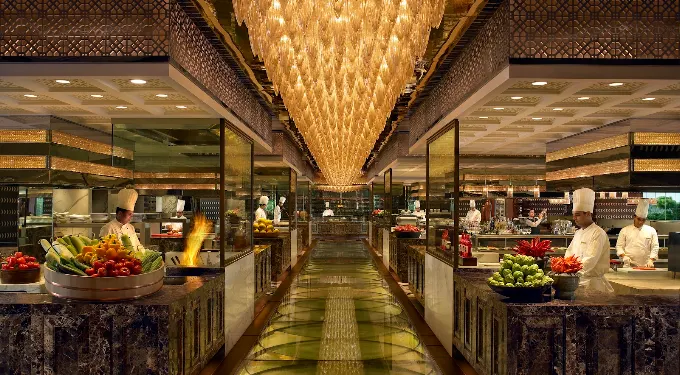
Amid the traffic-clogged lanes of Gurugram and the bustling city life that can overwhelm anyone, Spectra—the in-house multicuisine restaurant at Leela—makes you feel like you are a part of the city while also offering a sanctuary with delicious food. I arrived at Spectra on a weekday for dinner and was soon greeted by Chef Bongkot's infectious smile and energy.
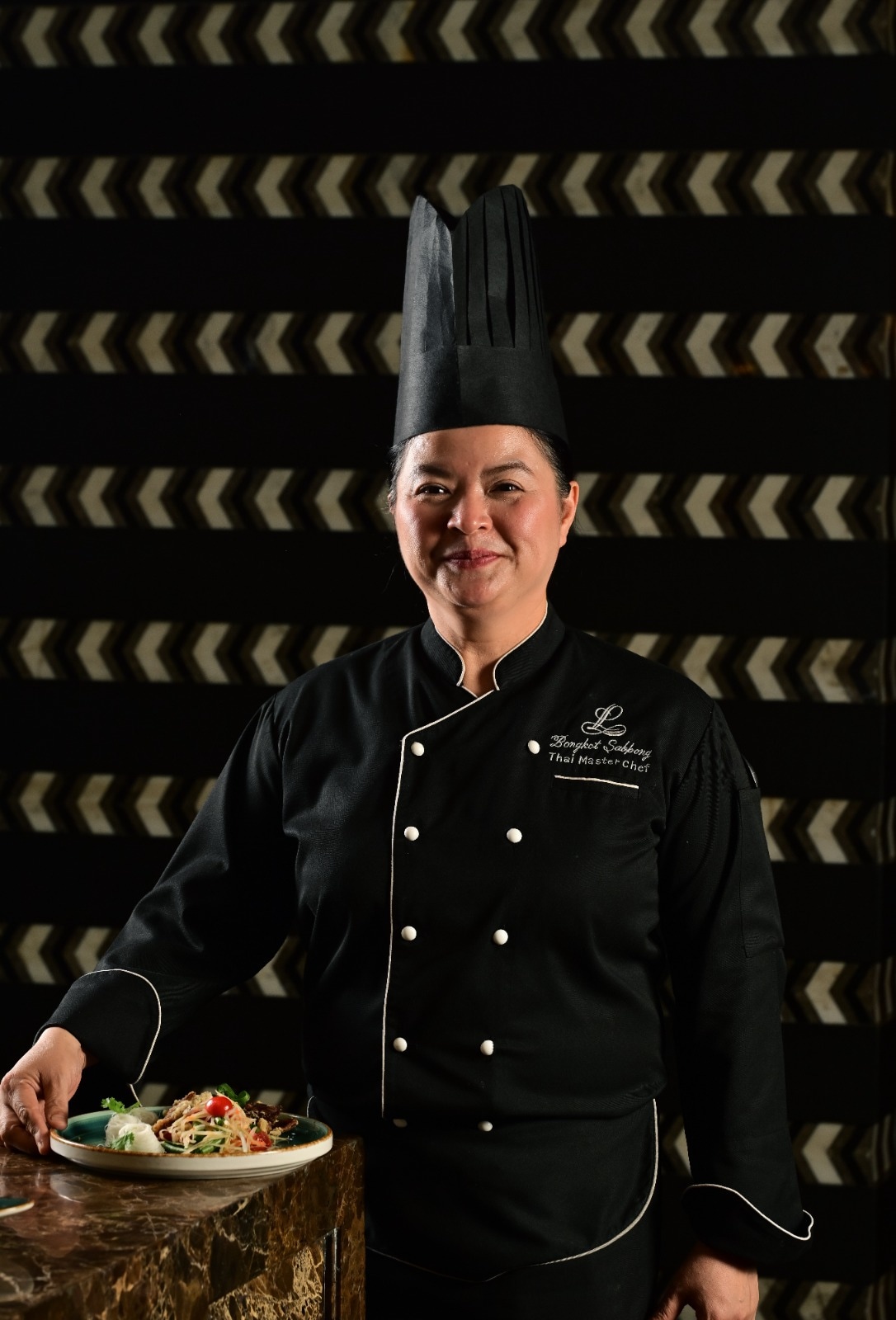
She treated us to an epic culinary adventure, a lineup of delicious dishes one after another. Her mission, she told me, was to erase the words ‘portion control’ and ‘diet’ from our minds—simply indulge and don’t hold back. She was not a chef serving at a restaurant, but a host inviting people to her kitchen, with only one mission—to feed them her cooking. By the end, we were stuffed to the brim, but our hearts were even fuller.
What we ate at Spectra
The meal began with Amuse Bouche, a refreshing plate of house-made Thai vegetable spring roll, followed by an appetiser: deep-fried golden bag filled with mushrooms and tofu and traditional Thai-style fish cake—which the chef revealed was quite a popular dish back home, prepared diligently by her father—and served with a sweet chilli sauce.
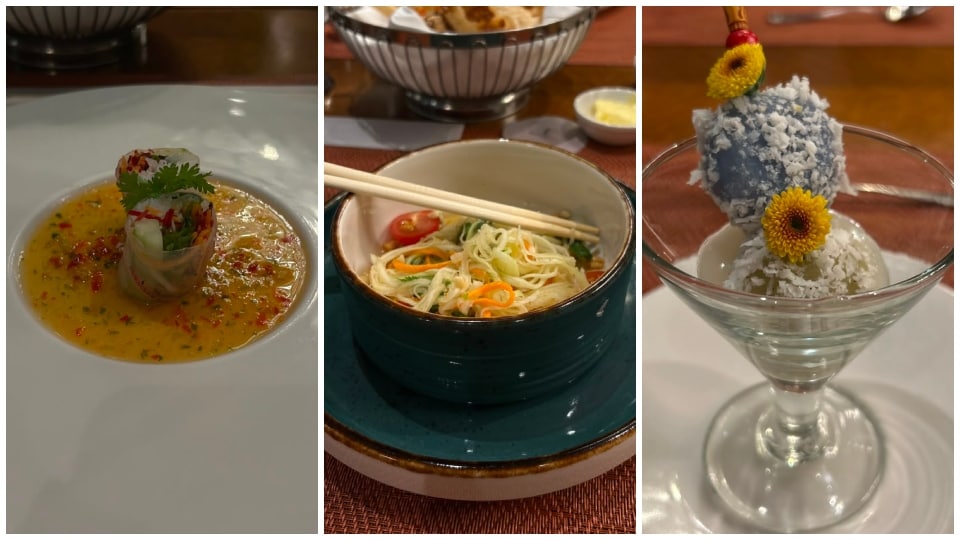
She even told me that if she had to introduce someone to Thai cuisine with just three dishes, she would choose fried fish cakes, Tom Yum soup, and basil chicken fried rice. According to her, “These are popular Thai dishes, and they represent different aspects of Thai food culture. The fried fish cakes showcase the use of herbs and spices; Tom Yum highlights the balance of sour, spicy, and aromatic flavours; while chicken basil fried rice represents the simplicity and comfort that are such an important part of Thai cooking.”
Out of these three, we got to taste Chef Bongkot's fried fish cakes and Tom Yum soup.
Now, a Thai meal is rather incomplete without Som Tam—raw papaya salad served with tomato, garlic, chilli, and palm sugar dressing—and chef Bongkot delivered. It was followed by a light, refreshing vegetable Tom Yum veg soup prepared with Thai herbs, coriander, chilli, and lemon.
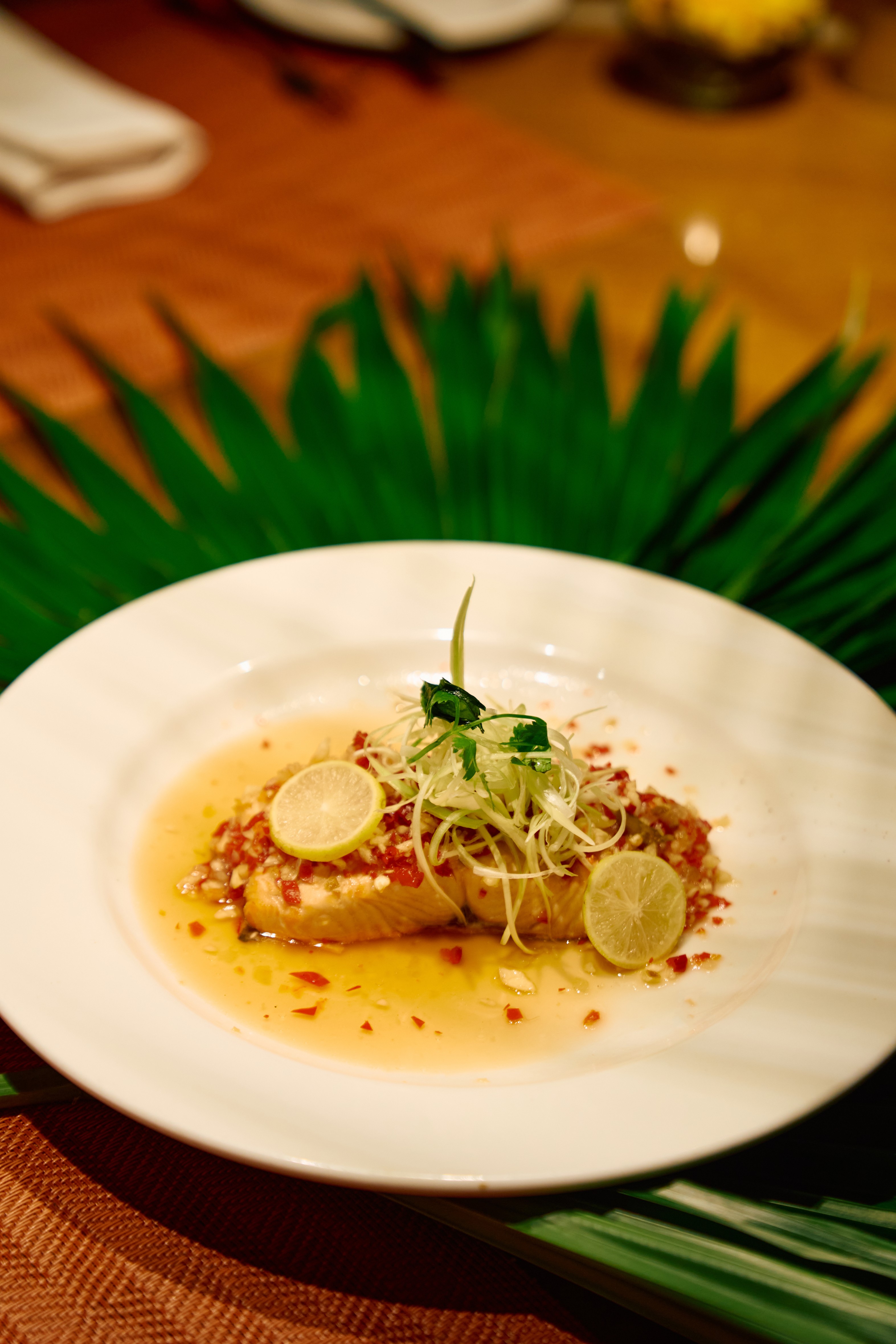
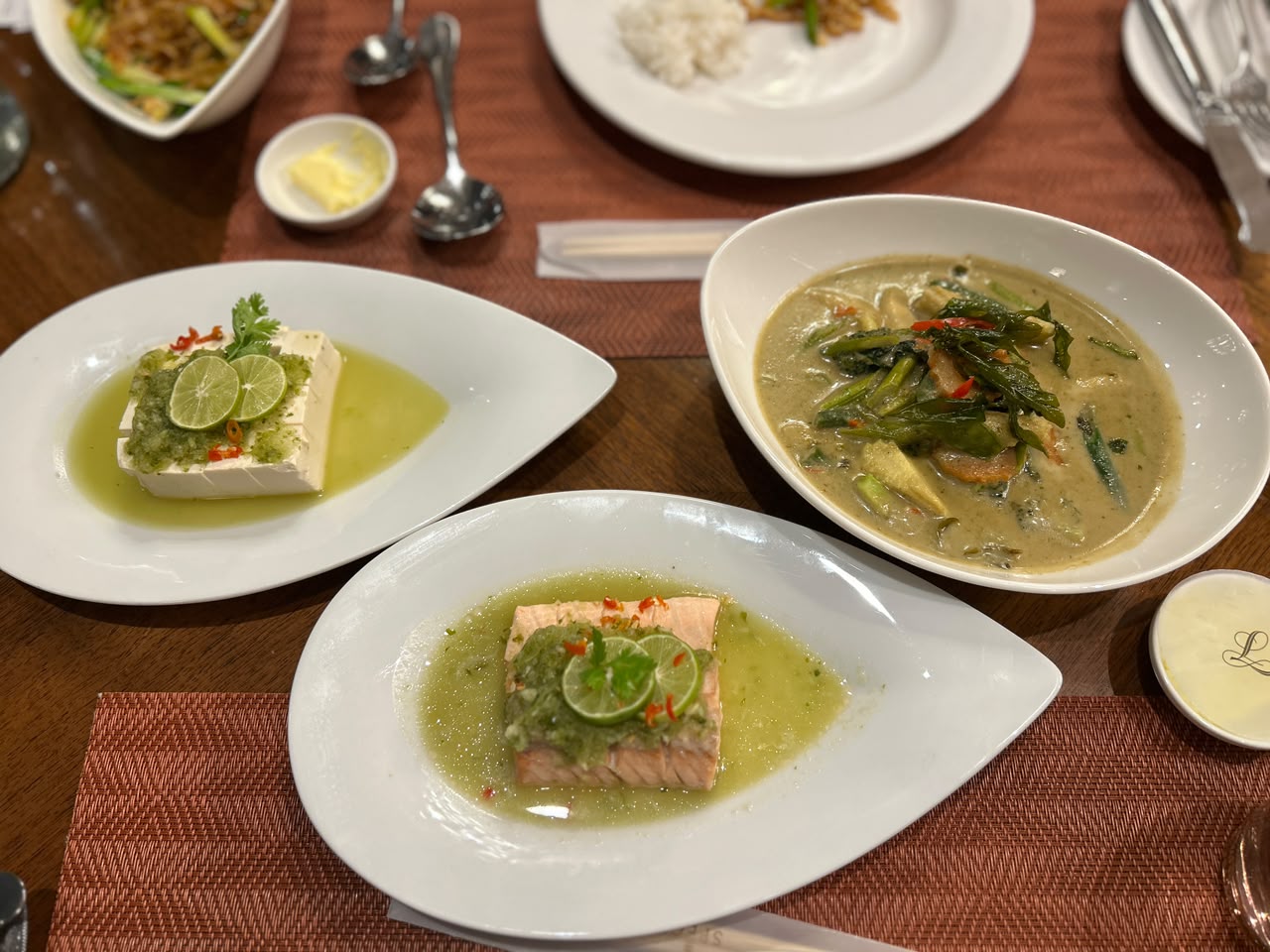
For the mains, Chef Bongkot served us jasmine rice and Thai Green curry with vegetables, which has to be one of the best Thai green curries I have ever had. She complemented it with Pla Neung Manao—steamed sole fish with lime and chilli sauce, wok-tossed Pad Thai with vegetables, and lastly, for dessert, she served Khanom Tom—sticky rice balls with coconut.
‘The dish should taste delicious and still feel authentically Thai’
I also got a chance to get into the mind of the chef, to understand Thai cuisine, how she achieves the authentic flavours from the country, Thai street food, and more.
Thai cuisine is known for its delicate balance of sweet, sour, salty, spicy and fresh ingredients. For Chef Bongkot, achieving a balance between these flavours starts with the familiarity she has developed since her childhood. She told us, “My father was a very good cook, so I grew up understanding Thai flavours naturally, rather than learning them only from recipes. Over time, I learned to recognise when a dish needs a little more sourness, sweetness, saltiness or spice. It is about tasting the dish and understanding what it needs to feel complete.”
She added that to her, what matters the most is that the dish should taste delicious and still feel authentically Thai. “I believe the foundation should remain untouched, the balance of flavours, the quality of ingredients, and the traditional cooking techniques,” she added.
But, in a contemporary setting, there is room to present a dish differently or make small adjustments. To this, the chef replies, “I do not want those changes to take away from its Thai identity. At Spectra, my focus is to present Thai cuisine in a way that feels refined while staying true to the flavours and techniques that define it.”
Thai street food and its influence
Thai street food is celebrated all over the world and is a very important part of Thai food culture. For Chef Bongkot, too, it is extremely inspiring in her cooking. “What I love about street food is that it is simple, delicious, quick and offers such a diverse range of cooking options. Street food teaches you that you do not always need complicated ingredients or techniques to create something memorable. Sometimes, it is the simplicity of the ingredients and the confidence in the cooking that makes a dish special.”
As for what makes a truly authentic Thai dish, she tells me, “[It] comes from the balance of flavours and the way the ingredients work together. Thai cuisine is known for its combination of sour, sweet, spicy, and salty flavours, but the exact balance can vary by dish. Fresh herbs, spices, chilli, coconut milk, vegetables, and other ingredients all have their own role to play. When these elements come together naturally, and the flavours remain true to Thai cooking, that is what makes a dish authentic.”
Thai cuisine is incredibly diverse across regions. However, many people who visit the country don't get to fully explore the regional flavours or lesser-known dishes. When asked what she would like Indian diners to discover, she said, “I would particularly like Indian diners to explore Southern Thai cuisine. It has a very distinctive character, thanks to its spices and the intensity of its flavours. At Spectra, I would especially like to introduce diners to some of these regional flavours and show them a side of Thai cuisine beyond the dishes they may already know.”
“I find the connection between Southern Thai cuisine and South Indian cuisine especially interesting. There are similarities in the way certain spices are used, and Indian diners may find some of these flavours familiar while still experiencing something uniquely Thai,” she added.
The author was hosted by Spectra in The Leela Ambience Gurugram Hotel & Residences upon editorial invitation.


