
 E-Paper



5 ortho experts share the top 5 joint issues people faced in 2025: Back pain, knee osteoarthritis and tech neck
Explore the top 5 bone and joint problems treated by orthopaedic doctors in 2025, including their causes, prevention methods, and effective treatments.

 Prefer HTon Google


Orthopaedic health is integral to overall well-being, as bones, joints, muscles, and ligaments work together to enable movement, absorb shock, and maintain balance. As we near the end of 2025, Health Shots contacted 5 orthopaedic experts in India to identify the most common complaints related to bones and joints they encountered from patients in the past year. They also shared tips to prevent these lifestyle-driven issues for a healthier 2026.

Most common orthopaedic conditions in 2025
Here are the five most common orthopaedic complaints doctors addressed in 2025:
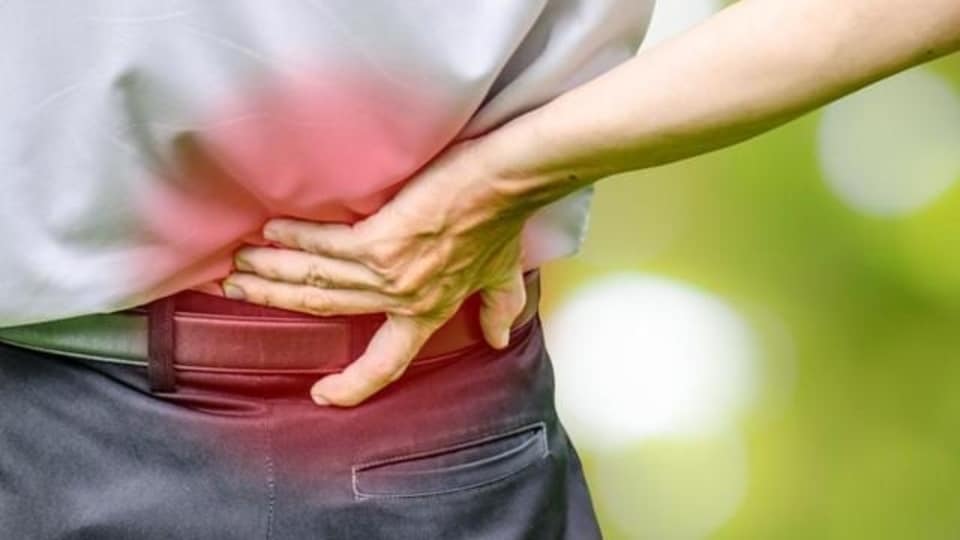
1. Lower back pain
Lower back pain affects about one in four people in India and has become very common. "This issue is primarily found among desk workers, drivers, and homemakers who spend long periods sitting", Dr Ashis Acharya, Orthopaedics and Sports Medicine, Sir Ganga Ram Hospital, New Delhi, tells Health Shots. Our modern lifestyles often lack physical activity, which exacerbates this problem.
Why it’s common: Low back pain often comes from weak core muscles, being overweight, and bad posture. "Many people do not sit correctly at desks or while using devices, which can strain their backs", says the doctor. Stress and prolonged sitting also exacerbate the problem.
2. Knee osteoarthritis
Knee osteoarthritis is a common condition, particularly among middle-aged and older adults. This joint disease is an issue for many Indian women, who often experience more problems due to years of physical wear and tear.
Why it’s common: "Several factors can cause knee osteoarthritis, including years of squatting, climbing stairs, gaining weight, and old injuries that were not treated. Many people wait to get help until the pain makes it hard to do daily activities like walking or going out with friends," Orthopaedic Specialist Dr Rajesh Meena tells Health Shots.
3. Neck and shoulder pain (tech neck)
Many people spend substantial time on screens, which can lead to neck and shoulder pain, often referred to as 'tech neck'. "With more online learning and remote work, many young adults and students are dealing with ongoing discomfort in these areas", Orthopaedic Surgeon Dr Ashok Rajgopal tells Health Shots.
Why it’s common: Spending too much time on screens can lead to neck and shoulder strain and bad posture. A study published in BMC Musculoskeletal Disorders shows that frequent smartphone use increases the likelihood of discomfort in these areas. "Slouching while working or studying makes the problem worse, which is why neck and shoulder pain are common issues seen in clinics", says Dr Rajgopal.
4. Tendon injuries and soft tissue complaints
Injuries to tendons and other soft tissues have become more common in orthopaedic clinics. "Many people experience issues with their shoulders, elbows, or heels", orthopaedic expert Dr Anup Khatri tells Health Shots. These problems often arise from joint overuse, particularly when individuals suddenly increase their activity levels.
Why it’s common: Many people are returning to exercise or trying new activities after the pandemic, often without getting ready first. "This can lead to injuries from sudden bursts of activity", says Dr Khatri. Weekend sports, gym sessions, and household chores can cause overuse injuries, especially for those who don't exercise regularly during the week.
5. Post-Covid musculoskeletal issues
Many people continue to experience joint pain, fatigue, and muscle soreness due to the Covid-19 pandemic. These ongoing symptoms occur across groups, including those with only mild Covid-19.
Why it’s common: During lockdowns, many people became less active. "This change, along with the effects of being ill, has caused more health issues", Knee, Shoulder and Hip Surgeon Dr Amyn Rajani tells Health Shots. Many patients have reported gaining weight and having trouble moving, which can lead to chronic pain.
Why do all my bones and joints hurt all the time?
The rise in bone and joint problems comes from several different reasons:
- Ageing population: As India's population gets older, more people are experiencing osteoarthritis.
- Obesity and metabolic risk: High obesity rates impose additional pressure on joints, particularly weight-bearing joints such as the knees.
- Lifestyle changes: Many people are now working and studying from home. This prolonged sitting can lead to back and neck problems.
- Digital dependency: The increasing use of screens among young people is associated with an increased incidence of musculoskeletal problems.
Prevention and care tips by orthopaedic doctors
Although these issues may seem overwhelming, there are practical steps that everyone can take to reduce the risk of developing these problems. Here are some critical points to keep in mind:
- Movement is important: Try to move every 30 to 45 minutes. You can take a short walk, stretch, or change your position.
- Strength training: Exercise your core and leg muscles 2–3 times a week. This will better support your spine and joints.
- Weight management: Maintaining a healthy weight reduces stress on your joints and helps you stay healthy overall.
- Ergonomics matter: To create a good workspace, set up your desk to support good posture. Ensure your computer screen is at eye level, and choose a chair that provides good support.
- Seek help when needed: If pain lasts more than a few weeks or gets worse, see an orthopaedic doctor instead of trying to treat it with over-the-counter medicine.
(Note to readers: This article is for informational purposes only and not a substitute for professional medical advice. Always seek the advice of your doctor with any questions about a medical condition.)

Catch your daily dose of Fashion, Taylor Swift, Health, Festivals, Travel, Relationship, Recipe and all the other Latest Lifestyle News on Hindustan Times Website and APPs.


