
 E-Paper



Neurologist says stroke paralysis is reversible if treated within golden window: '2 million brain cells die per minute'

 Prefer HTon Google


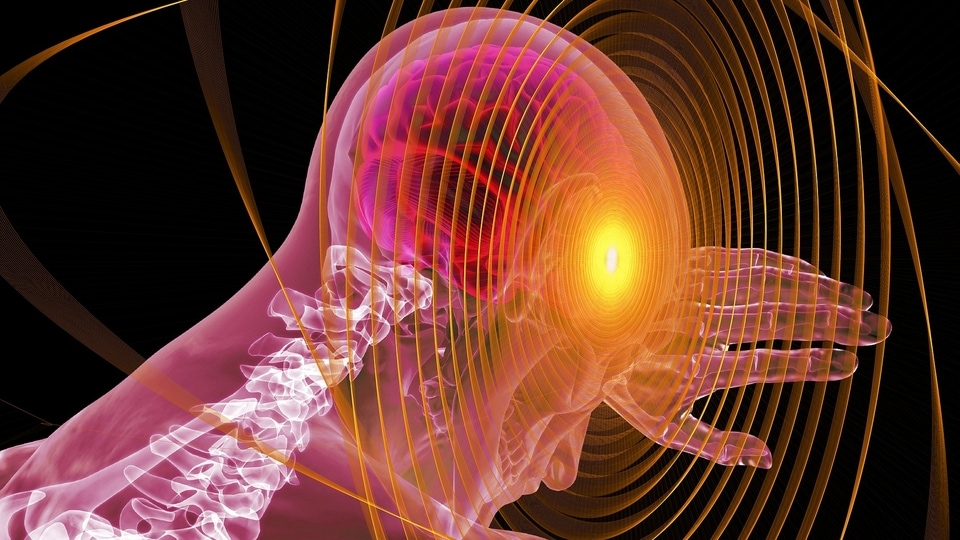
Neurologist Dr Rahul Chawla says stroke‑induced paralysis can often be reversed if you get to the hospital on time. He also explains the two main stroke causes.
According to World Health Organisation, annually, 15 million people worldwide suffer a stroke – of these, 5 million die and another 5 million are left permanently disabled, placing a burden on family and community. Also read | Neurologist's response to 35-year-old man wanting him to 'prescribe aspirin to prevent stroke' after father's paralysis
What causes a stroke?
Dr Rahul Chawla, a neurologist trained at AIIMS, New Delhi, consultant neurologist at IBS Hospital, Lajpat Nagar, and founder of HealthPil.com, shared crucial information regarding the reversal and prevention of stroke paralysis in an Instagram post on December 11. He explained the two primary causes of a stroke, and also identified sudden symptoms that signal a stroke and necessitate immediate transport to a hospital.
In the video he posted, Dr Chawla said in Hindi, “Stroke paralysis can be reversed if you reach the hospital at the right time. Hi, I am Dr Rahul Chawla, founder of hpl.com. Stroke, meaning paralysis (lakwa), happens either due to the rupture of a blood vessel inside the brain, causing blood to enter the brain parenchyma, which leads to that particular part of the brain becoming dead. Alternatively, a clot forms inside a brain blood vessel, and as a result, the blood supply to that particular tissue is cut off. That part of the brain becomes dead and cannot perform its function.”
Golden window: 4.5 hours
Dr Chawla also highlighted the ‘golden window’ for intervention, which is within three to four and a half hours (4.5 hours) of symptom onset. For patients with an ischemic stroke (caused by a clot), he explained that arriving within this critical period allows doctors to administer clot-dissolving medication (such as tPA). This intervention, Dr Chawla said, can restore blood flow to the affected area of the brain, treat the damaged part, and potentially reverse the paralysis caused by the stroke – beyond the 4.5-hour window, this treatment may not be an option.
He said, “Stroke is a medical emergency, and if any patient suddenly experiences weakness in one arm or one leg, tingling (jhanjhanahat), numbness (swapan), slurred speech (ladkhadahati), facial deviation (chehra tedha), imbalance while walking (imbalance), or difficulty seeing, the patient may have a stroke. In such a situation, you must bring the patient to the hospital immediately, within three to four and a half hours. This is because if the patient has an ischemic stroke — meaning a clot is deposited in the blood vessel — we can administer a clot-dissolving medication to the patient so that the blood flow to the brain can be restored and the damaged part of the brain can be treated. This can only happen if you bring the patient at the right time.”
Dr Chawla also wrote in his caption:
⦿ Golden window: 4.5 hours. Beyond that, clot-busting injection (tPA) may not help.
⦿ Every minute counts — 2 million brain cells die per minute, so if you reach the hospital within this golden period, stroke paralysis can be reversed.
Stroke symptoms: sudden vision loss and more
In his caption, Dr Chawla further said, “Stroke presents suddenly, and there may not be any headache or any warning symptom before. Symptoms: sudden weakness, slurred speech, facial droop, weakness on one side of the body – one arm and leg, sudden vision loss, imbalance.”
Stroke prevention: a proactive approach
Beyond emergency care, Dr Chawla shared key lifestyle measures to prevent the onset of a stroke:
⦿ Control blood pressure (BP), diabetes, and cholesterol levels.
⦿ Stop smoking.
⦿ Exercise daily.
⦿ Reduce salt intake.
Note to readers: This report is based on user-generated content from social media. HT.com has not independently verified the claims and does not endorse them.
This article is for informational purposes only and not a substitute for professional medical advice.


Catch your daily dose of Fashion, Taylor Swift, Health, Festivals, Travel, Relationship, Recipe and all the other Latest Lifestyle News on Hindustan Times Website and APPs.


