
 E-Paper



Are artificial sweeteners safe? Study says it can increase stroke and heart attack risk

 Prefer HTon Google


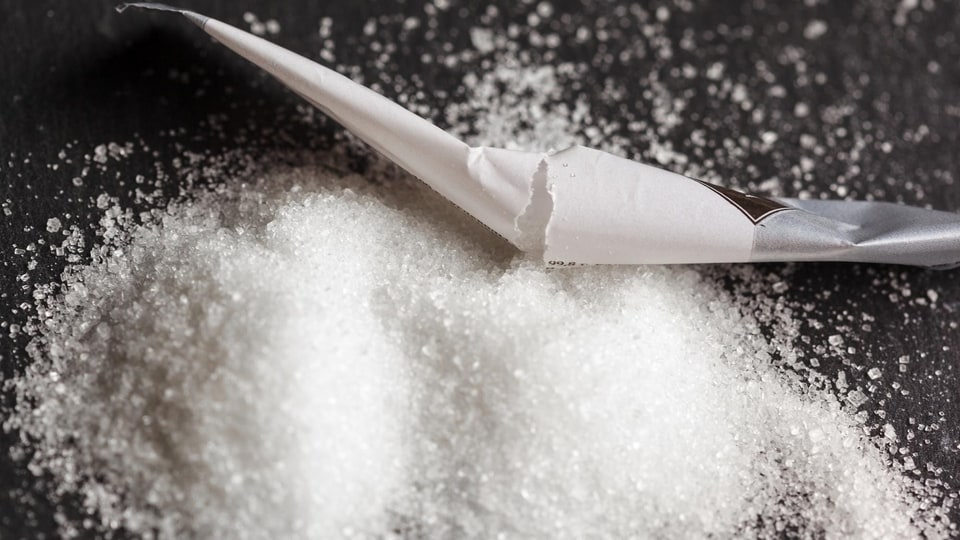
The study observed that erythritol, a sweetener, can increase the risk of stroke and heart attack significantly.
Artificial sweeteners are marketed to people as sugary indulgences where they can manage their sweet cravings without having to compromise on their health. Usually to people with diabetes, artificial sweeteners are sold with the intention of eating healthy. However, according to a new study published in the Journal of Applied Physiology and led by researchers from the University of Colorado Boulder, artificial sweeteners can pose serious health risks in the long run. Also read | Are artificial sweeteners safe? 10 foods that may be secretly damaging your gut microbiome even if they seem harmless
Erythritol is a sugar substitute that is usually consumed by people with diabetes or the ones who have cut sugar consumption from their diet. However, according to the study, erythritol may pose more risks than health benefits. Erythritol, thought to be one of the best sweeteners, is used in popular brands such as Wholesome, Splenda, and Truvia.
Findings of the study:
The study was focused on understanding how erythritol can affect brain cells and increase the risk of stroke and heart attack. The study was built on previous research works that showed a direct connection between higher levels of erythritol in the bloodstream and increased risk of stroke and heart attack. Also read | Popular artificial sweetener linked to blood clots, heart attack; study finds

In the experiment, the researchers treated brain blood vessel cells with the same amount of erythritol that is found in sugar-free drinks. They saw that the cells displayed lower levels of nitric oxide, and more levels of endothelin-1, a protein responsible for constricting blood vessels.
The study further concluded that sweetened cells produce a lot of free radicals that can accelerate inflammation and ageing in cells and resist clot formation. These changes were visible in the cells after they were treated with erythritol from just one sugar-free drink.
In a press release, study author Auburn Berry said, “Big picture, if your vessels are more constricted and your ability to break down blood clots is lowered, your risk of stroke goes up.” Professor Christopher DeSouza added, “Given the epidemiological study that inspired our work, and now our cellular findings, we believe it would be prudent for people to monitor their consumption of non-nutrient-sweeteners such as this one." Also read | Do aspartame and other artificial sweeteners cause cancer?
Note to readers: This article is for informational purposes only and not a substitute for professional medical advice. Always seek the advice of your doctor with any questions about a medical condition.


Catch your daily dose of Fashion, Taylor Swift, Health, Festivals, Travel, Relationship, Recipe and all the other Latest Lifestyle News on Hindustan Times Website and APPs.


