
 E-Paper



Are artificial sweeteners safe? 10 foods that may be secretly damaging your gut microbiome even if they seem harmless

 Prefer HTon Google


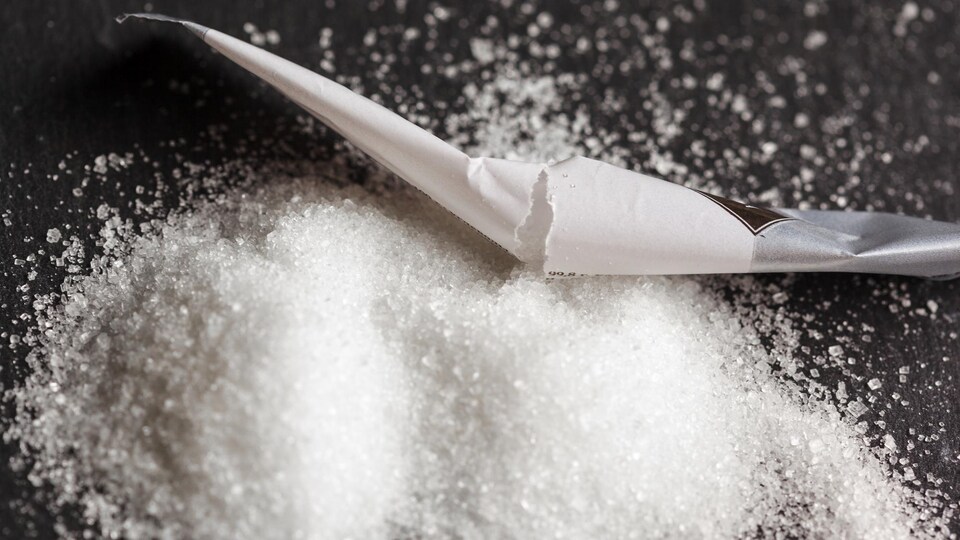
Artificial sweeteners are generally recognised as safe. But are they actually bad for you? Learn more and what you really need to do to protect your gut health.
You have likely heard that sweet treats are bad for your health and should be limited. But did you know that some artificial sweeteners, like aspartame and sucralose, can alter the composition of gut bacteria and lead to metabolic problems? In an interview with HT lifestyle, Dr Debojyoti Dhar, co-founder and director of Leucine Rich Bio (BugSpeaks), shared a list of common foods that could be harming your gut microbiome, even if they seem harmless at first glance. Also read | Doctor shares 5 warning signs of poor gut health you shouldn’t ignore
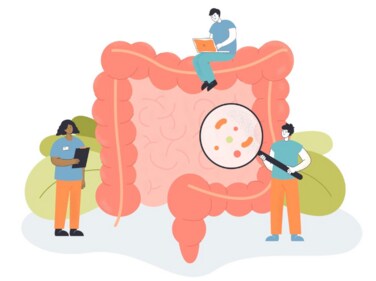
He said: “The human gut is inhabited by trillions of bacteria, fungi, and other microorganisms that make up the gut microbiome. These microscopic inhabitants have a gigantic impact on digestion, immunity, metabolism, and even mental health. A healthy, diverse microbiome is key to overall health. But diets today — usually high in processed, sugary, and artificial foods — can upset this delicate balance, causing inflammation, digestive problems, and chronic disease.”
To promote a healthy gut microbiome, focus on whole, nutrient-dense foods, and be mindful of these:
1. Artificial sweeteners
Dr Dhar said, “They might be calorie-free, but artificial sweeteners such as aspartame, sucralose, and saccharin can have a negative effect on your gut bacteria. Research indicates that these sweeteners decrease the quantity and diversity of good bacteria and can even cause glucose intolerance. If you are attempting to cut down on sugar, try using natural substitutes like stevia or monk fruit, and always in moderation.”
2. Refined sugar
According to Dr Dhar, too much sugar provides an overabundance of fuel for unhealthy bacteria and yeast, including Candida, and starves beneficial microbes. He said, “This can create an imbalance that results in inflammation and gut dysbiosis. High levels of sugar consumption have also been consistently implicated in obesity, diabetes, and neurological disorders—all of which are affected by microbiome health.”
3. Processed foods
“Ultra-processed foods — such as packaged snacks, ready-to-eat meals, and instant noodles — tend to have additives, preservatives, and emulsifiers that interfere with gut bacteria. Additives such as polysorbate 80 and carboxymethylcellulose, which are commonly used in processed foods, have been found to destroy the gut lining and upset microbial balance,” Dr Dhar said.
4. Red and processed meats
He added, “Eating too much red meat and particularly processed foods such as bacon and sausages can lead to the encouragement of gut bacteria that produce TMAO, a chemical linked to heart disease. These food items are low in fibre too, which supportive bacteria require in order to proliferate.”
5. Fried foods
Fried foods tend to be rich in trans fats and pro-inflammatory chemicals. Dr Dhar said, “They have been shown to decrease microbial diversity and enhance the development of obesity- and chronic inflammation-related bacteria. Furthermore, the oils reused for frying are particularly harmful to the gut.”
6. Gluten-rich refined grains
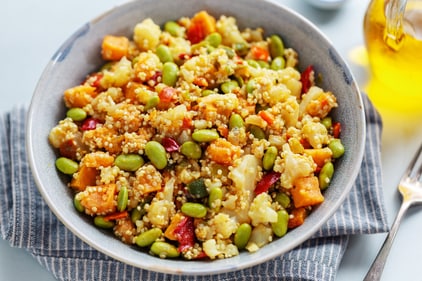
Although not everyone should avoid gluten, Dr Dhar said that ‘extremely processed grains such as white bread, pastries, and crackers do not have the fibre essential to feed friendly bacteria’. In addition, for sensitive individuals, gluten can also cause inflammation that affects gut health. “Substituting refined grains with whole grains such as quinoa, oats, or brown rice is a microbiome-savvy change,” he said.
7. Dairy with added sugars
Dr Dhar said, “While simple yoghurt can be a probiotic superfood, sweetened dairy foods and milkshakes, as well as flavoured yoghurts, tend to have too much sugar, thereby defeating their digestive benefits. The added sugars nourish unwanted bacteria and can contribute to an overgrowth of your gut flora.”
8. Alcohol
Regular drinking, particularly in large amounts, is known to impair the balance of the gut microbiome, Dr Dhar said. He explained: “Drinking makes the gut more permeable (or also referred to as 'leaky gut'), promoting toxins and invaders into the circulatory system, causing inflammation. Even moderate intake will change the proportion of friendly to harmful bacteria.”
9. Fast food
Dr Dhar said, “Burgers, fries, pizzas, and other fast foods are filled with processed fats, salt, and additives that destroy the gut's microbial ecosystem. These foods diminish microbial diversity and tend to have none of the prebiotic fibres that good bacteria need to feed on.”
10. Fruit juices and sodas
“Though they appear healthy, packaged fruit juices have added sugars and no fibre. Sodas are worse, with high sugar levels and even artificial sweeteners at times. Both contribute to feeding bad gut microbes and should be eaten in moderation,” Dr Dhar said.
How to heal and support your microbiome
The silver lining is that your gut microbiome is forgiving. By making better food choices, Dr Dhar said you can mend and even upgrade your gut health. According to him, here are a few suggestions:
● Consume more plant foods: Fruits, vegetables, legumes, and whole grains have loads of fibre, which feeds your gut bacteria.
● Add fermented foods: Yoghurt, kefir, sauerkraut, kimchi, and kombucha add helpful probiotics.
● Reduce sugar and processed foods: Stick to whole, unprocessed foods.
● Stay hydrated and manage stress: Both are important in maintaining gut health.
● Diversity is key: Try to consume a range of foods to facilitate a diverse microbiome.
Dr Dhar added, “Paying attention to what we eat — and how it affects our internal environment — is the first step toward greater well-being. By skipping these popular microbiome-disrupting foods and adopting a more balanced, whole-food diet, you can nourish your gut, enhance immunity, and improve your overall well-being.”
Note to readers: This article is for informational purposes only and not a substitute for professional medical advice. Always seek the advice of your doctor with any questions about a medical condition.


Catch your daily dose of Fashion, Taylor Swift, Health, Festivals, Travel, Relationship, Recipe and all the other Latest Lifestyle News on Hindustan Times Website and APPs.


