
 E-Paper



Bengaluru doctor warns about pink salt dangers after child develops 'very severe thyroid swelling' after 2 years of use

 Prefer HTon Google


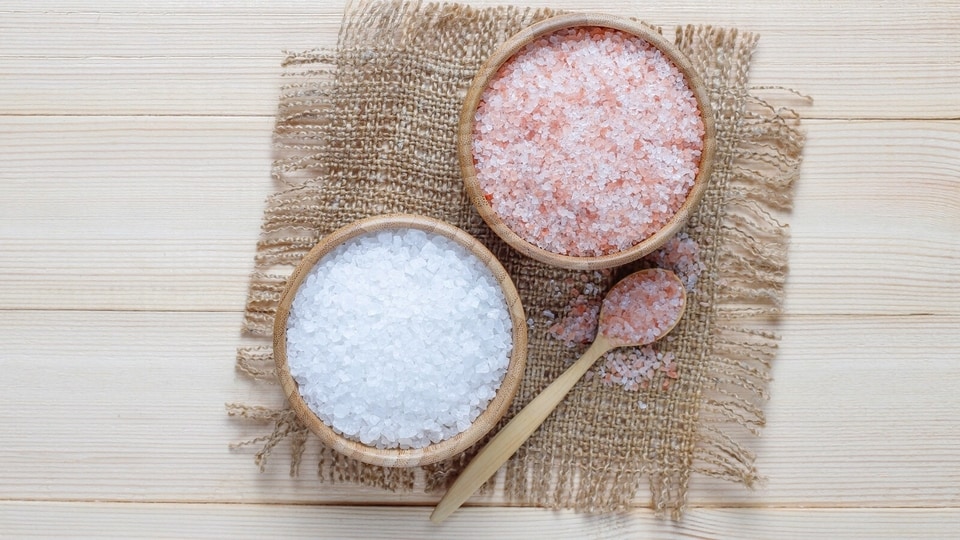
Dr Tejasvi Sheshadri is sounding the alarm on pink salt after a child developed severe thyroid swelling due to iodine deficiency from using it.
A Bengaluru pediatric endocrinologist has issued a stark warning to parents after treating a child for a 'very severe thyroid swelling' caused by a popular dietary trend: replacing standard iodised salt with pink Himalayan salt. Also read | Fitness coach reveals the truth about pink salt: Is it better for you or secretly ruining your health?
Dr Tejasvi Sheshadri, a paediatrician and paediatric endocrinologist at Rainbow Children’s Hospital (Hebbal and Marathahalli), took to Instagram on February 23 to debunk the health myths surrounding pink salt, highlighting a critical nutritional gap that many families are overlooking.
A 'puzzling' case study
The warning comes on the heels of a troubling clinical case: Dr Sheshadri described a young patient who suffered from a goiter —a visible enlargement of the thyroid gland. Initially, the case was a medical mystery.
"The case was extremely puzzling to me since the child had a low thyroid status, and the thyroid antibodies were also negative," Dr Sheshadri explained in the Instagram video she posted. It wasn't until she probed the family's dietary history that the culprit emerged: the child had been consuming pink salt for two years.
The iodine gap
While pink salt is often marketed as a 'natural' powerhouse filled with trace minerals like magnesium and potassium, Dr Sheshadri notes that these benefits are primarily decorative. The problem? Pink salt does not contain sufficient iodine. She explained that in the early 20th century, iodine was intentionally added to table salt to end a global goitre epidemic.
According to her, chronic use of non-iodised salt can lead to hypothyroidism, hair loss, chronic fatigue, and significant developmental issues in children. "Iodine is very, very important for thyroid hormone function, and chronic use of pink salt can cause iodine deficiency," Dr Sheshadri warned in her video.
Debunking the 'healthier' label
Many consumers switch to pink salt, believing it is lower in sodium and better for heart health. Dr Sheshadri clarified that this is a misconception.
"Now, what is pink salt? Pink salt is just regular salt, but it contains trace minerals such as iodine, magnesium, potassium, and iron, which give it its pink hue. Now, pink salt, contrary to popular belief, does not contain less sodium than regular salt, and chronic use of pink salt is extremely dangerous because it lacks iodine... now, iodine is very, very important for thyroid hormone function, and chronic use of pink salt can cause iodine deficiency, which can result in hypothyroidism, poor energy, fatigue, thyroid swelling, hair fall, and developmental issues in your child," the doctor explained.
Advice for parents
The doctor shared that the 'trace minerals' providing the salt's pink hue do not offer enough nutritional impact to justify the risk of iodine deficiency. She urged parents to prioritise iodised salt to ensure children meet their developmental milestones and maintain healthy endocrine function.
Selecting the wrong seasoning can inadvertently lead to significant nutritional gaps with long-term health consequences, she concluded, adding, "Stay safe and choose wisely."
Note to readers: This report is based on user-generated content from social media. HT.com has not independently verified the claims and does not endorse them.
This article is for informational purposes only and not a substitute for professional medical advice.


Catch your daily dose of Fashion, Taylor Swift, Health, Festivals, Travel, Relationship, Recipe and all the other Latest Lifestyle News on Hindustan Times Website and APPs.


