
 E-Paper



Cardiologist with 20 years of experience explains whether salt is inherently bad for health

 Prefer HTon Google


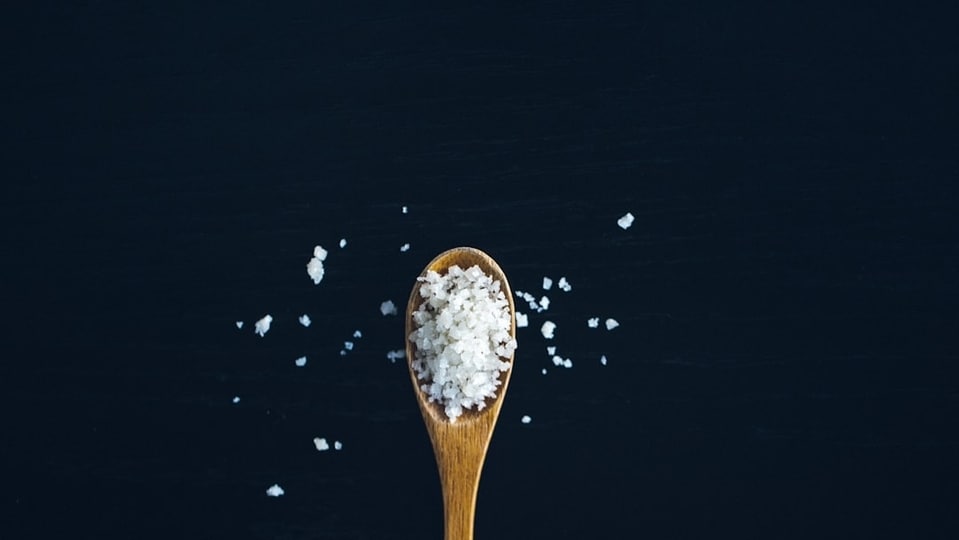
Is salt the enemy? Dr Bhojraj unpacks the age-old question, explaining how it affects the body and why some people need to limit their sodium intake.
In the age of blanket wellness advice, salt has quietly become a dietary villain - prompting many people to cut it out entirely, often without medical guidance, in the belief that it’s universally harmful. But the reality is far more nuanced. While excess salt can pose real risks for people with certain health conditions, unnecessary restriction can be just as problematic.
Dr Sanjay Bhojraj, an interventional cardiologist and functional medicine expert with over 20 years of experience, is unpacking the age-old debate around salt - questioning whether it is truly a dietary villain or simply misunderstood. In an Instagram video shared on January 30, he explains how salt affects the body and why it is important to get a medical diagnosis before restricting salt intake.
Is salt bad?
According to Dr Bhojraj, while salt isn’t ideal for most people, it isn’t inherently harmful either. In fact, measured amounts of sodium, potassium, chloride, and other electrolytes are essential for basic physiological functions, including nerve signalling, muscle contraction, and fluid balance. The problem arises with excess.
He states, “So salt is not great for most people, but it's not necessarily bad. In fact, we need electrolytes to function. You need certain amounts of sodium, potassium, and chloride, and all these things in your body to work. So they're not bad for everybody.”
Who is it harmful for?
The cardiologist explains that sodium, when consumed in high amounts, can be directly toxic to blood vessels, which affects your blood pressure, strains kidney function, and disrupts the body’s fluid balance. This excess sodium also promotes fluid retention - a particularly serious concern for people with cardiovascular conditions such as heart failure. As a result, individuals living with cardiovascular disease, high blood pressure or kidney-related conditions need to be especially vigilant about their salt intake.
Dr Bhojraj highlights, “They're not bad for everybody, but interestingly, salt, particularly the sodium in salt, is directly toxic to blood vessels, which is why it can increase your blood pressure. It can put a strain on your kidneys, which is why people with poor kidney function have to be careful. And for people with certain heart-related conditions, you have to be worried about the salt load because the more salt you take on, the more fluid you hold on to and that can overwhelm people.”
Consult a doctor before restricting salt
Ultimately, it comes down to individual health status and tolerance levels, rather than viewing salt as inherently “good” or “bad” - what matters is how much your body can safely handle and under what medical circumstances.
The cardiologist also stresses the importance of consulting a doctor before making drastic changes such as completely restricting salt intake, warning that doing so without medical guidance can backfire and disrupt electrolyte balance - particularly if your body doesn’t actually require such strict limitation.
Dr Bhojraj concludes, “Salt didn’t suddenly become dangerous - our advice just became too broad. For certain people, lowering sodium improves blood pressure. For others, chronic restriction can activate stress hormones and make symptoms worse. The real question isn’t ‘Is salt bad?’ It’s who is being told to avoid it and whether it actually fits their physiology.”
Note to readers: This article is for informational purposes only and not a substitute for professional medical advice. It is based on user-generated content from social media. HT.com has not independently verified the claims and does not endorse them.


Catch your daily dose of Fashion, Taylor Swift, Health, Festivals, Travel, Relationship, Recipe and all the other Latest Lifestyle News on Hindustan Times Website and APPs.


