
 E-Paper



Cardiologist says ‘Salt isn’t the villain for everyone’; shares 5 situations where patients should avoid sodium

 Prefer HTon Google


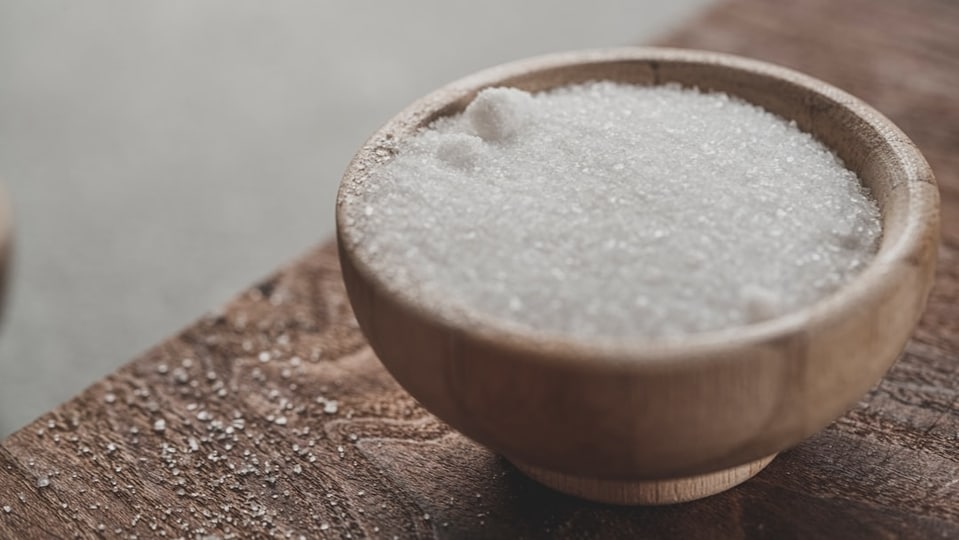
Salt has been vilified as the enemy in health debates, but it is not harmful for everyone. Dr Yaranov explains that specific physiology matters more.
Salt has long been cast as a dietary villain, with wellness trends and blanket health advice urging everyone to cut back - often without nuance. Yet sodium is not just a flavour enhancer; it is essential for nerve signalling, muscle contraction, fluid balance, and blood pressure regulation. So if the body needs salt to function, why is it so frequently blamed for poor health outcomes? The answer, experts suggest, lies in physiology rather than absolutes.
Dr Dmitry Yaranov, a cardiologist and heart-transplant specialist with expertise in advanced heart failure and mechanical circulatory support, is unpacking the long-standing debate around salt - questioning whether it is truly a villain for everyone, or only harmful for certain individuals. In an Instagram video shared on January 9, the cardiologist explains that salt is not universally harmful, but can be dangerous for people with specific medical conditions - making it crucial to understand who should limit sodium and why, instead of treating it as a one-size-fits-all enemy.
Is salt the enemy?
According to Dr Yaranov, salt is not inherently harmful for everyone, but it can pose significant risks for certain individuals - particularly those with underlying cardiovascular disorders. In fact, the cardiologist highlights that sodium is essential for multiple bodily functions.
He explains, “Salt isn’t the villain for everyone. Salt didn’t ruin humanity. Oversimplified health advice did. Sodium is essential. Nerves. Muscles. Blood pressure regulation. Life.”
The cardiologist adds that salt is “a powerful modifier of outcomes in the wrong physiology” and knowing who can tolerate it and who cannot matter greatly.
Who is it harmful for?
Dr Yaranov points out that while sodium is essential for normal bodily functions, it can be harmful for certain individuals, emphasising, “In certain bodies, salt isn’t seasoning. It’s fuel for disease.”
He outlines the following five situations where patients should avoid or reduce salt intake:
Heart failure patients
The cardiologist explains that excess sodium can trigger fluid retention in people with heart failure, worsening congestion in the body. This often leads to more frequent hospitalisations and, over time, is associated with poorer survival outcomes.
Resistant hypertension
Salt can be particularly harmful for people with resistant hypertension - those who require three to four medications to keep their blood pressure under control. Dr Yaranov highlights, “If your BP needs three to four meds, salt isn’t ‘neutral’. It’s sabotage.”
Chronic kidney disease
Patients of chronic kidney disease are usually advised to cut down salt intake because it can worsen their condition. The cardiologist explains, “Sodium accelerates decline and makes volume control nearly impossible.”
Cirrhosis and portal hypertension
According to Dr Yaranov, excess salt can also worsen portal hypertension - high blood pressure in the portal venous system caused by liver cirrhosis - as well as aggravate ascites, by promoting fluid retention and increasing pressure within the abdominal cavity. He stresses, “Ascites doesn’t care about your taste preferences.”
Older adults with vascular stiffness
Older adults with vascular stiffness should also limit their salt intake, as ageing arteries lose their ability to handle sodium efficiently, making excess salt more likely to raise the risk of cardiovascular disease compared to earlier years. Dr Yaranov explains, “Your arteries don’t buffer sodium like they did at 25.”
Note to readers: This article is for informational purposes only and not a substitute for professional medical advice. It is based on user-generated content from social media. HT.com has not independently verified the claims and does not endorse them.


Catch your daily dose of Fashion, Taylor Swift, Health, Festivals, Travel, Relationship, Recipe and all the other Latest Lifestyle News on Hindustan Times Website and APPs.


