
 E-Paper



US doctor shares 5 daily habits that are silently raising your blood pressure: Poor sleep, excess caffeine and more

 Prefer HTon Google


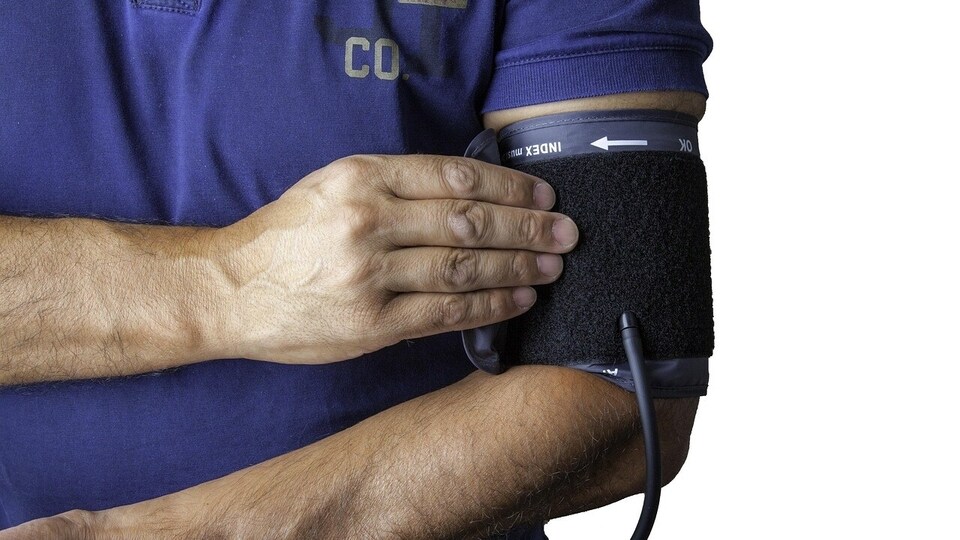
Hypertension does not happen overnight - certain daily habits contribute to chronically high blood pressure over time. Dr Sood shares 5 subtle habits to check.
High blood pressure rarely develops overnight. More often, it creeps up silently, shaped by everyday habits that steadily strain the body’s stress response, metabolism, and cardiovascular system. From how well you sleep to when you eat and how you manage daily stress, small, routine behaviours can quietly push blood pressure higher over time. Correcting a few daily habits can help reduce the risk of hypertension and support healthier blood pressure control in the long run.
Also Read | Cardiologist reveals ‘high blood pressure is not the problem, but a warning sign’; explains why drugs fail
Dr Kunal Sood, an anesthesiologist and interventional pain medicine physician, has outlined five daily habits that could be contributing to high blood pressure and increasing the risk of hypertension. In an Instagram video shared on January 7, he highlights, “Blood pressure often rises gradually due to everyday habits that affect stress hormones, circadian rhythms, and vascular tone.”
Short sleep
According to Dr Sood, consistently getting less than seven hours of sleep can raise blood pressure, increasing the risk of hypertension. He explains, “Sleeping under seven hours, especially below five to six hours, is consistently associated with higher blood pressure and increased risk of hypertension. Sleep loss raises sympathetic activity, blunts nighttime BP dipping, and elevates cortisol.”
Chronic stress
Chronic stress keeps cortisol levels persistently elevated, and over time this sustained hormonal imbalance can significantly increase the risk of high blood pressure. The doctor highlights, “Repeated psychological stress leads to sustained sympathetic and HPA axis activation. Over time this raises average 24-hour BP, reduces nighttime dipping, and increases vascular reactivity, predicting future hypertension.”
Late night eating
Dr Sood points out that late-night eating disrupts the body’s circadian regulation of blood pressure, interferes with how the kidneys manage sodium balance, and impairs insulin sensitivity. He explains, “Studies associate higher evening calorie intake with higher nighttime BP and increased long-term hypertension risk, often mediated by poorer sleep quality.”
Growing waistline
According to the physician, visceral fat is metabolically active and strongly linked to hypertension. He emphasises, “Central adiposity increases renin-angiotensin system activity, sympathetic tone, renal sodium retention, inflammation, and endothelial dysfunction. Waist circumference predicts BP risk better than body weight alone.”
Heavy caffeine dependence
Dr Sood also points out that caffeine can acutely raise blood pressure through sympathetic activation. He explains, “While tolerance may develop, late or high-dose caffeine often raises BP indirectly by disrupting sleep, which sustains higher sympathetic tone and worsens BP control.”
The physician concludes that rising blood pressure is often a sum of sleep loss, stress load, meal timing, central fat gain and stimulant reliance. Addressing these habits directly targets the physiology behind hypertension, instead of just focusing on the numbers.
Note to readers: This article is for informational purposes only and not a substitute for professional medical advice. It is based on user-generated content from social media. HT.com has not independently verified the claims and does not endorse them.


Catch your daily dose of Fashion, Taylor Swift, Health, Festivals, Travel, Relationship, Recipe and all the other Latest Lifestyle News on Hindustan Times Website and APPs.


