
 E-Paper



Are you skipping blueberries due to high cost? Nutritionist reveals top 3 alternatives for Indians that aren't expensive

 Prefer HTon Google


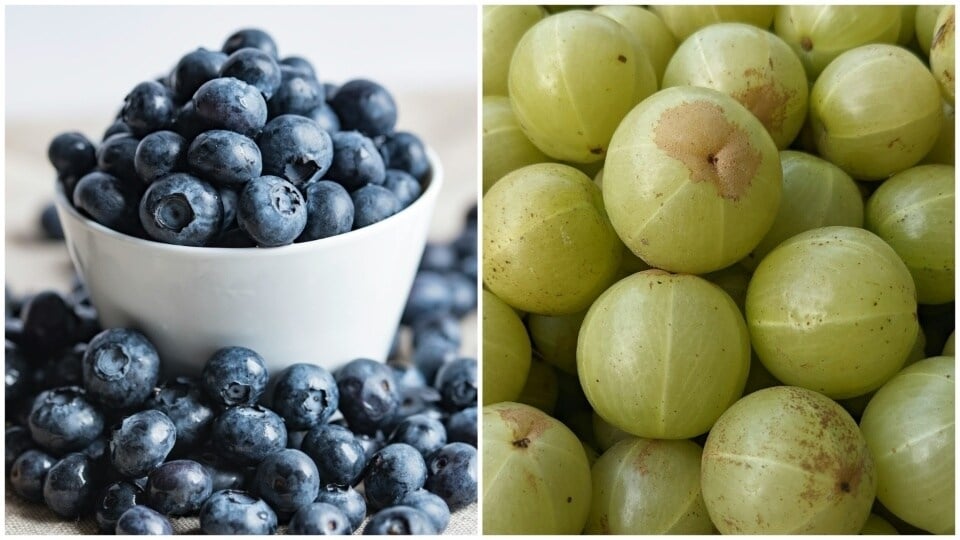
Want to add blueberries to your diet but are worried about their price? Nutritionist says these Indian fruits are 'just as nutritious and healthy if not more'.
Blueberries are known for their heart-healthy antioxidants as well as their ability to help reduce belly fat. The fruit is a great source of vitamin K, which keeps bones strong, and is full of anti-ageing properties. Also read | While blueberries are beneficial for everyone, they can be particularly beneficial for women. Here's why
If you are trying to keep your skin smooth and glowing, or want to incorporate blueberries into your diet for all the other health benefits, but are skipping the fruit due to its price or limited availability, here are some alternatives that can provide similar nutritional benefits at a lower cost, making them more accessible to the average Indian consumer.
In an interview with HT Lifestyle, Irin Memon, nutritionist at Bhailal Amin General Hospital, Vadodara, Gujarat, said, “Blueberry might be the poster child of superfoods, but there are India's own native fruits that are just as nutritious and healthy, if not more. As the cost and unavailability of foreign blueberries keep going up, it's time that Indian homes go back to discovering the abundance in their own backyards.”
Add jamun, amla, karonda to your diet
According to her, “Indian fruits such as amla (Indian gooseberry), jamun (Indian blackberry), and karonda (Carandas plum) are nutrient-dense superstars that have been prized in Ayurveda for centuries. Amla is notable for its exceptionally high vitamin C content, much higher than in oranges, and is an extremely effective antioxidant for immunity, skin, and even diabetes control.”
She added, “Jamun, a dark purple fruit, is packed with anthocyanins, the very same antioxidants that render blueberries a superfood. It is particularly beneficial for blood sugar levels and digestive health. Karonda, while less popular, is high in vitamin C, iron, and fibre, benefiting bone health, digestion, and cholesterol management.”
Why should you choose local or imported?
According to Irin, “In comparison to imported berries such as blueberries, Indian fruits do not fall behind. Blueberries are renowned for their brain and cardiovascular health benefits through their antioxidant and anthocyanin content, but black grapes, which are easily available in India, also have high anthocyanin and resveratrol content, both of which have cardiovascular and anti-ageing effects. Pomegranates, mulberries, and even beetroot are other Indian choices full of antioxidants and nutrients, and hence make great options for overall health.”
She added that the benefits of local berries extend beyond the diet: “Indian berries are cheaper, better distributed, and preferable for the Indian climate, which guarantees maximum freshness and reduced environmental cost. Imported berries, in contrast, are usually expensive, may carry pesticide residues, and have a high carbon cost because of transportation.”
As the world focuses on superfoods, Irin said there is a strong argument for Indian households to return attention to native fruits. So, the next time you need a nutritional pick-me-up, turn to these homegrown gems. “Your body and your purse will thank you. Home-grown superfoods such as amla, jamun, black grapes, and karonda not only enhance individual well-being but also promote local farmers and the planet,” Irin said.
Note to readers: This article is for informational purposes only and not a substitute for professional medical advice. Always seek the advice of your doctor with any questions about a medical condition.


Catch your daily dose of Fashion, Taylor Swift, Health, Festivals, Travel, Relationship, Recipe and all the other Latest Lifestyle News on Hindustan Times Website and APPs.


