
 E-Paper



Can contraceptive pills increase the risk of cervical and breast cancer? Know what gynaecologists and cancer physician say

 Prefer HTon Google



Experts say contraceptive pills do not affect everyone the same way. Breast and cervical cancer risks may rise slightly, while ovarian and endometrial fall.
Contraceptive pills have a dual, well-studied effect on cancer risk. According to the National Cancer Institute, these pills are hormone-containing medications that are taken orally to prevent pregnancy. Moreover, because birth control pills contain synthetic versions of these female hormones, they are said to potentially also increase cancer risk. But is that true, and should you completely stop taking these pills?
In an interview with HT Lifestyle, Dr Asha Dalal, director of obstetrics and gynaecology at Sir HN Reliance Foundation Hospital, Dr Asma Pathan, cancer physician from M|O|C Cancer Care Pune, and Dr Anita Soni, director of obstetrics and gynaecology at Dr L H Hiranandani Hospital, discussed in detail the truth and the risks associated with taking contraceptive pills.
Are there cancer-related effects of contraceptive pills that people don't know about?

According to Dr Dalal, oral contraceptive use is associated with reduced risks of ovarian and endometrial cancers, and these protective effects can persist after discontinuation. Therefore, contraception should be chosen based on an individual’s age, medical history, risk factors and reproductive plans, rather than cancer risk alone.
She stresses that, "Evidence suggests that while current or recent use of combined oral contraceptive pills may be associated with a small increase in breast and cervical cancer risk, this needs to be viewed in context."
“Contraceptive pills are generally safe for many women, but their relationship with cancer is more nuanced than simply saying they cause cancer,” says Dr Asma Pathan. Research shows that combined oral contraceptives may slightly increase the risk of breast and cervical cancers, particularly during current or recent use. However, they also significantly reduce the risk of ovarian and endometrial cancers, with protection continuing years after stopping.
For Indian women, decisions should be taken after taking age, family history, HPV status, and screening practices into consideration. “The pill should be chosen after individual medical counselling, rather than fear or misinformation,” Dr Asma added.
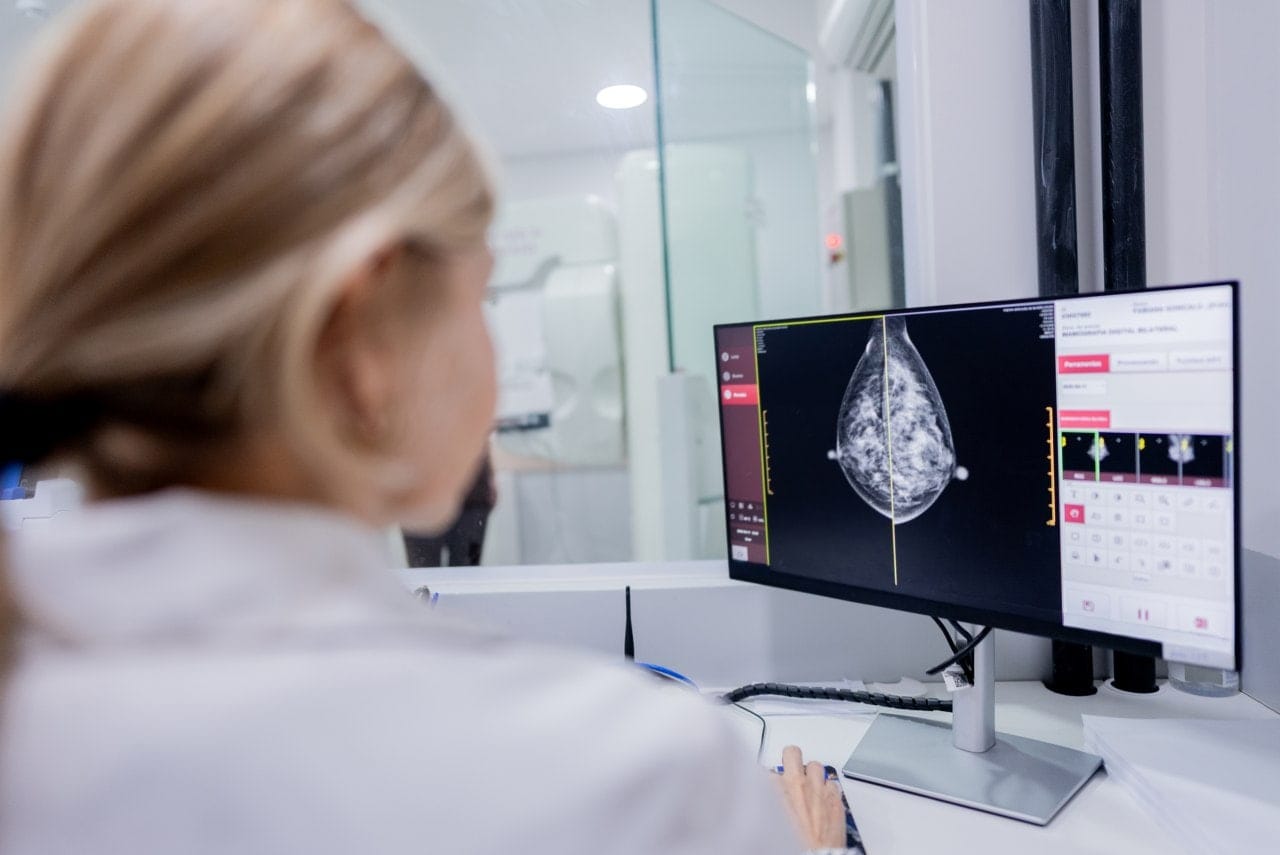
Risks involved: For breast cancer and cervical cancer
⦿ Breast cancer: According to Dr Anita, it has been seen that there is a relative increase in the risk of breast cancer among women taking combined hormonal pills. This risk is around 20-30%, but the absolute risk remains low, particularly in younger women. This extra risk diminishes with time and becomes normal 10 years after discontinuing the pills.
⦿ Cervical cancer: "The reason for cervical cancer is mainly the presence of high-risk HPV infection," Dr Anita explained, highlighting that research suggests that using the pill for five years or more may raise the risk in women who already carry HPV, possibly because hormones affect how the cervix responds to the virus. "The risk declines after the pill is stopped."
⦿ The protective side: Lastly, she added that contraceptive pills lower the risk of ovarian and endometrial cancers by around 30% to 50%, and the protection can last for decades after stopping. They can also help manage heavy periods, PCOS symptoms, and endometriosis.
Who should be cautious?
Dr Anita also shared a list of people who should be cautious when taking contraceptive pills:
- Women who smoke, especially those over 35
- Those with a history of blood clots, migraines with aura or hypertension
- Women with a strong family history of breast cancer
- Those who haven't had a recent cervical screening
Lastly, as for what women should do to safeguard themselves, so that they can take the pills without any concern, Dr Anita suggested:
- Get a Pap smear or HPV test every 3 to 5 years from age 25 to 30
- Consider the HPV vaccine
- Do regular breast self-exams and get screened as advised
- Review the pill with a doctor every year instead of using it indefinitely
- Never start or stop hormonal contraception without medical advice
"Bottom line," Dr Anita added, is that: "The pill is not a major cancer trigger for most women. Its risks are modest and depend on age, duration of use and individual health history, so personalised advice is key."
Note to readers: This article is for informational purposes only and not a substitute for professional medical advice. Always seek the advice of your doctor with any questions about a medical condition.


Catch your daily dose of Fashion, Taylor Swift, Health, Festivals, Travel, Relationship, Recipe and all the other Latest Lifestyle News on Hindustan Times Website and APPs.


