
 E-Paper



Chennai physician reveals whether people with diabetes benefit from switching to millets or if it’s just hype


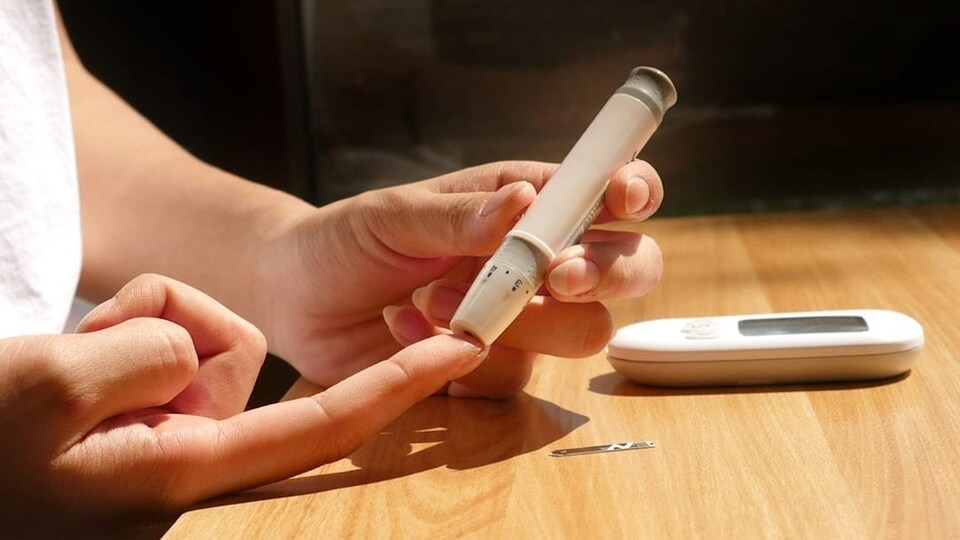
Physician recommends how millets help in keep blood sugar levels stable. Find out why your traditional staples may not work in your favour.
Diabetes is rising at an unprecedented scale across India. The International Diabetes Federation Diabetes Atlas 2025 report stated that in 2024, an estimated 89.8 million Indians had diabetes. Even more concerning is that if the same trend continues, the number is expected to go beyond 134 million by 2045. With the diabetes cases rising exponentially, many are on the lookout to make healthy lifestyle changes. Millets, which dominated the traditional diet centuries ago, have now stepped back into the spotlight. With so much buzz around millet, let's take a step back and analyse if it's genuinely beneficial for diabetic and pre-diabetic people or if it's just hype.
To understand more about whether diabetic people benefit from millets, HT Lifestyle spoke to Dr Nanda Kumar. R, senior consultant - general medicine, SRM Global Hospitals, Chennai. As per him, the recent widespread recognition is not a hype and is actually true. He called millet a ‘powerful health tool.’
Why traditional carbs may be working against your health?
Most of the Indian meals are built around starchy carbs. DrKumar said, "Formany years, most of our meals were cooked with polished rice and refined wheat, which are carbs that break down quickly and sometimes cause huge increases in blood sugar.” The everyday staples most of the Indians grew up eating and may continue to eat are one of the reasons blood sugar issue creeps in. Polished rice and refined wheat are detrimental to health as they cause a very sharp blood sugar spike. Time and again, this spike causes insulin sensitivity and soon leads to diabetes.
Why are millets healthy for blood sugar control?
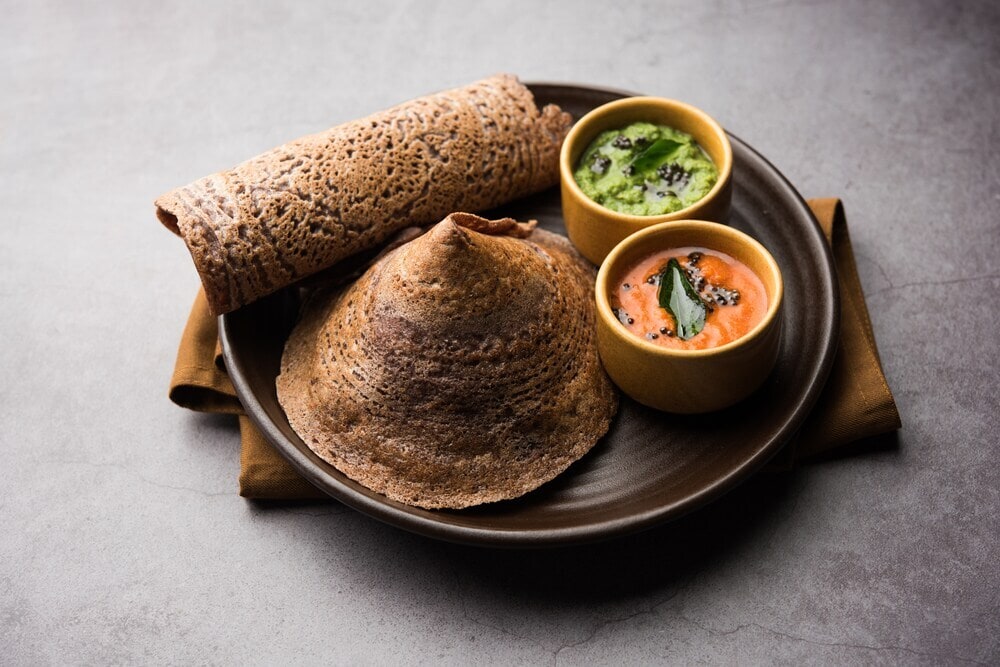
How are millets changing things around for the better? The valuable nutritional profile of millets helps to achieve positive health benefits.
“Millets naturally have a lot of antioxidants, iron, magnesium, fibre, and carbs that break down slowly,” the physician explained."Their form makes it easier for glucose to get into the body, which minimises the danger of rapid sugar spikes that are hazardous for patients with prediabetes or type 2 diabetes."
Millets are also low on glycemic index, the doctor informed. For the uninitiated, glycemic index is a measurable scale of how quickly a food raises blood sugar levels after eating. High GI foods quickly raise blood sugar, while low GI foods digest slowly and the glucose release is much gradual, keeping blood sugar stable.
“Their low to intermediate glycaemic index (GI) is one of the key reasons they are gaining popularity again. Low-GI foods help keep your energy level consistent, make you less hungry, and make your body more sensitive to insulin,” Dr Kumar described the benefits of low-GI foods.
For better understanding, he shared an example,"For example, barnyard millet has one of the lowest GI levels of all cereals. Ragi and foxtail millet, on the other hand, help you feel full and stop eating too much, which are both vital components of controlling diabetes."
Dr Kumar also highlighted that millets can help control blood sugar, support weight management, and promote heart and gut health, making millet addition a smart choice for people with diabetes. Further, he also shed light on how you cook and eat millets also matters. The doctor insisted on plain preparation and following a mindful portion.
Note to readers: This article is for informational purposes only and not a substitute for professional medical advice. Always seek the advice of your doctor with any questions about a medical condition.


Catch your daily dose of Fashion, Taylor Swift, Health, Festivals, Travel, Relationship, Recipe and all the other Latest Lifestyle News on Hindustan Times Website and APPs.


