
 E-Paper



Mumbai diabetologist warns late-night eating may raise diabetes risk; shares 5 dinner options for stable blood sugar

 Prefer HTon Google


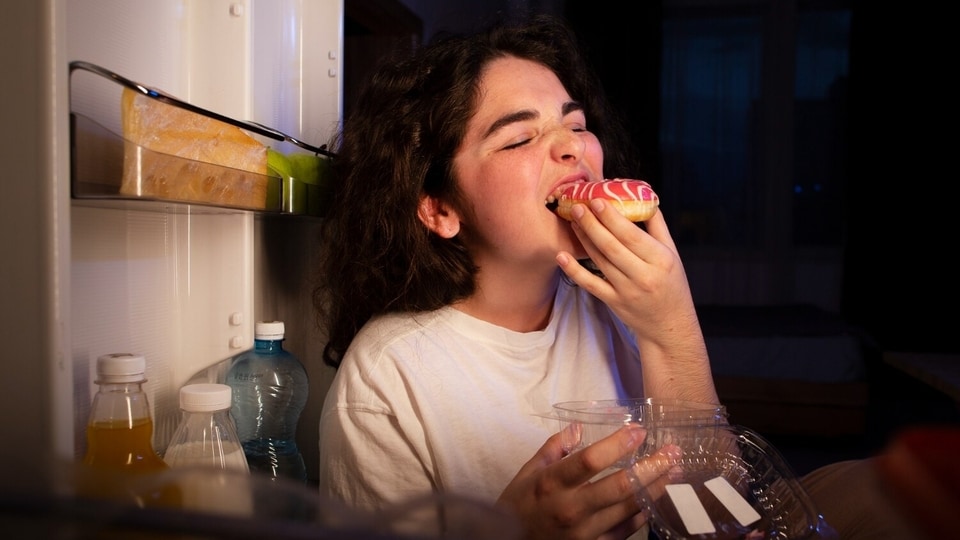
Find out what you can eat for dinner and what is the recommended dinner time to stabilize blood sugar levels.
Are you frequently in the habit of having late-night meals? Pushing dinnertime, whether due to work commitments or your night-owl tendencies, may be risky for your health in the long run. What may seem like a harmless habit could actually trigger a chain reaction in your body and potentially increase the risks of lifestyle diseases.
To understand which is the biggest risk of this habit, HT Lifestyle reached out to Dr Pranav Ghody, consultant endocrinologist and diabetologist at Wockhardt Hospitals in Mumbai Central. He named diabetes to be one of the major risks if one persistently continues to eat dinner late.
"If food is taken too close to bedtime, it interferes with the body's proper digestion of glucose, raising blood sugar levels over time,” he alerted, describing how it interferes with the body's natural rhythm, which slows down at night. Late dinner also impacts the body, affecting how the body regulates food, hormones, and energy.
Why late-night eating increases diabetes risk?
“During the night, insulin sensitivity naturally goes down. This means the body's ability to move glucose from the bloodstream into the cells becomes weaker," Dr Ghody explained. This means your body becomes less efficient at using insulin at night. It may be a bit sluggish in processing sugar. And since insulin sensitivity is already lower, the glucose stays in the blood longer than it should.
The diabetologist cautioned that as you continue to eat late, the pancreas has to work hard to produce more insulin to regulate the sugar in the blood. Extra stress is put on the organ. “Eating late consistently puts pressure on the pancreas to release more insulin, and that, over time, can lead to insulin resistance of the major steps toward developing Type 2 diabetes,” the doctor said. So what happens is when the pancreas is made to overwork, over time, it makes the body less responsive to insulin, leading to insulin resistance, which eventually leads to Type 2 diabetes.
Most importantly, Dr Ghody brought to light the major risk that the night shift workers may be at. "Those who work the graveyard shift are even more at a disadvantage since their eating pattern often conflicts with the sleep-wake cycle of the body, making it harder to maintain stable sugar levels.” There's a misalignment of the sleep and wake cycle, which makes it harder for their bodies to manage blood sugar levels.
Further, the diabetologist noted that eating right before bed also impacts digestion, causes fat storage and disturbs sleep quality. It is vital to be mindful of dinner timing as it helps maintain both stable blood sugar and support overall health.
Recommended time for dinner
Timing your dinner is essential. The diabetologist suggested, “Dinner should be taken 2 to 3 hours before retiring to bed, preferably between 7:00 p.m. and 8:00 p.m., allowing the body enough time to digest and balance its blood sugar levels for sleep.”
If you give your body a 2-3 hour window, your body digests the meal better.
What to eat for dinner for stable blood sugar?
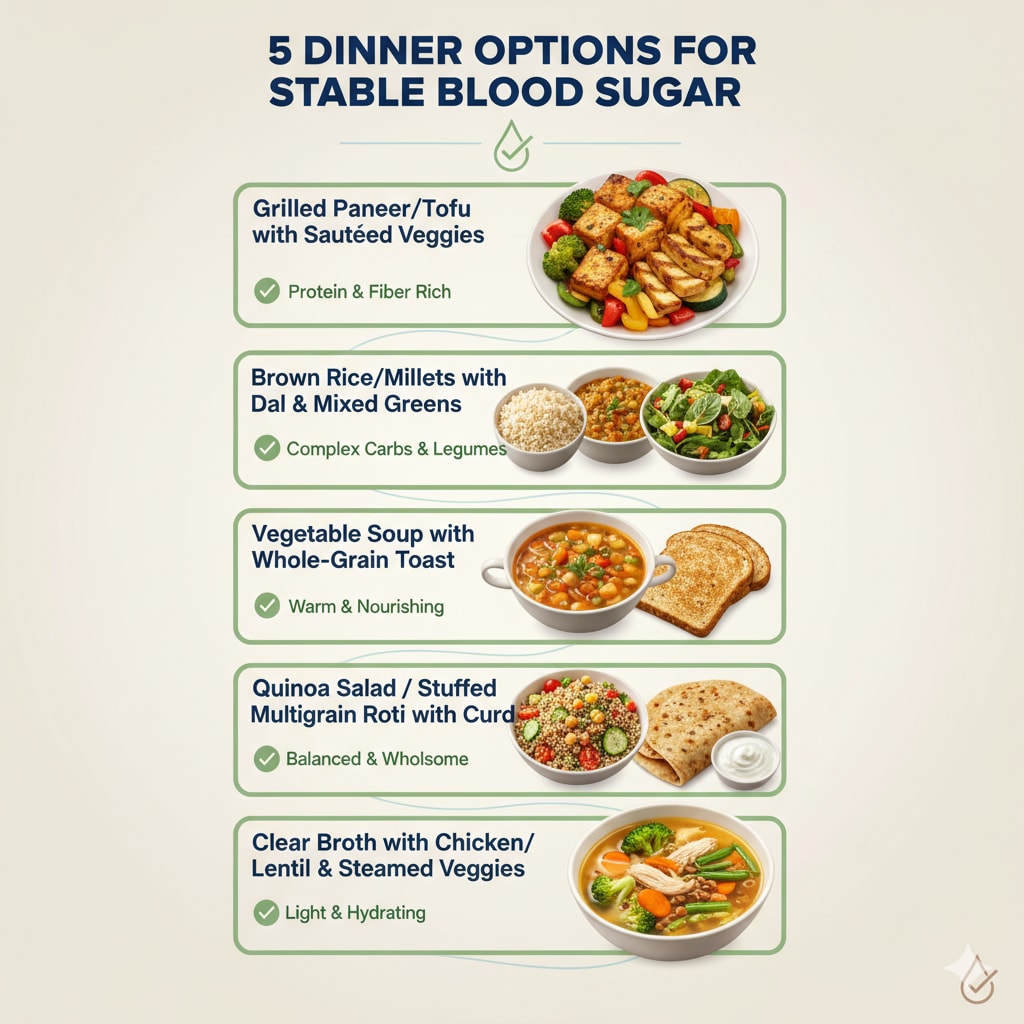
Choosing the right foods for dinner helps to keep blood sugar stable. Selecting meals rich in protein, fibre, and complex carbohydrates reduces the risk of nighttime sugar spikes. To avoid nighttime sugar spikes, Dr Ghody advised three important things: scheduled eating timings and avoiding heavy and sugary meals
Dr Ghody recommended these 5 meal options:
- Grilled paneer or tofu with sautéed vegetables
- Brown rice or millets with dal and mixed greens
- Vegetable soup with whole-grain toast
- Quinoa salad with chickpeas and olive oil, stuffed multigrain roti with curd
- Clear broth with chicken or lentil and steamed vegetables
Note to readers: This article is for informational purposes only and not a substitute for professional medical advice. Always seek the advice of your doctor with any questions about a medical condition.


Catch your daily dose of Fashion, Taylor Swift, Health, Festivals, Travel, Relationship, Recipe and all the other Latest Lifestyle News on Hindustan Times Website and APPs.


