
 E-Paper



Diabetologist shares 7 hacks to manage blood sugar spikes naturally: Add fenugreek seeds to diet, hydrate well and more

 Prefer HTon Google


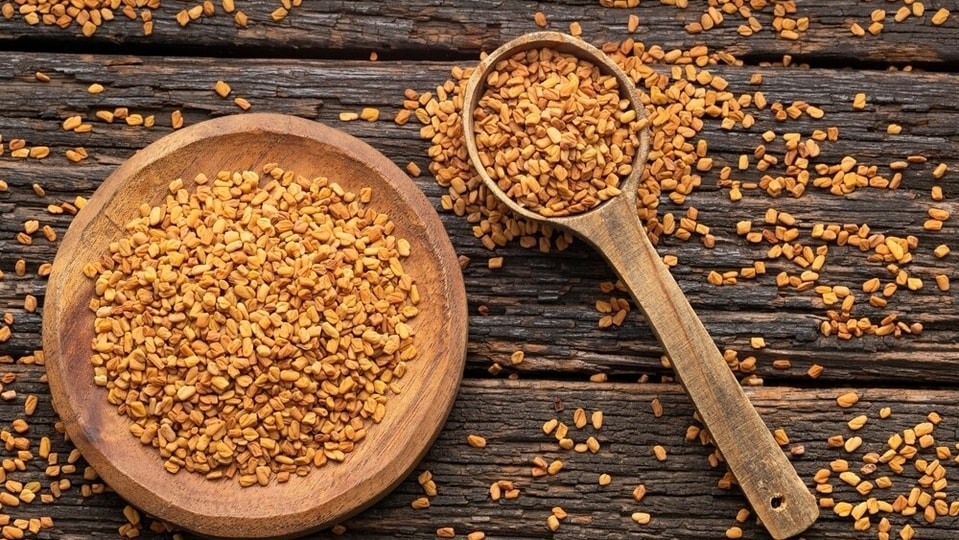
Diabetologist shares 7 lifestyle habits, including helpful dietary additions that ensure your blood sugar spikes are not rapid.
Dietary adjustment is a non-negotiable essential to manage blood sugar spikes. If blood sugar continues to spike rapidly because of concerning food choices, then there are prominent risks of developing insulin resistance and subsequently developing diabetes.
A study published in The Lancet Global Health in September 2025 shared that 1 in 5 adults, above 45 years, has diabetes. Moreover, urban areas had double the diabetes rates as compared to rural areas, suggesting the role of contemporary lifestyle in diabetes prevalence. It also highlighted that India contributes a large share of the global diabetes burden. India is called the diabetes capital of the world.
But diabetes is not just a problem for older adults. Young Indians are also getting diagnosed with it. A study published in May 2024 found that diabetes is very common in young Indians, with people under 35 years old, already 17 percent having diabetes, and 40 percent if someone already has a family history of diabetes.
Given how common diabetes is in older adults, younger adults are at a higher risk. Add to this the hectic lifestyle factors, like increased stress at work, ordering processed and takeaway foods, and low physical activity.
While early screening is one of the primary tools to detect diabetes, embracing healthy lifestyle habits, such as proper nutrition, regular exercise, and stress management, helps to prevent the disease. The first approach is how to manage a blood sugar spike naturally.
To understand how to manage blood sugar spikes, HT Lifestyle reached out to Dr Aasim Maldar, consultant endocrinologist and diabetologist, PD Hinduja Hospital & Medical Research Centre, Mahim. He said, "Optimal lifestyle forms the foundation of diabetes therapy and many other chronic illnesses." This means, lifestyle is the basis on which all other treatments rest, as the doctor called it ‘foundation.’
Many trendy diets or quick fixes are circulating on social media, but Dr Maldar warned against them. “Going ahead with fad diets lacking a scientific basis and nurturing unrealistic expectations can hardly be useful.” These trending diets promise unrealistic and dramatic results, which are unrealistic.
Dr Maldar shared 7 ways you can manage your blood sugar spikes naturally, revealing why they work. But he did remind that these are not a ‘cure-all.' They are complementary in nature and support blood sugar management. But they do not replace prescribed medications, especially for those who have been diagnosed with diabetes or are at high risk.
Here are the foods and habits the diabetologist recommended:
1. Add cinnamon to diet:

- Cinnamon is rich in antioxidants and has properties that mimic insulin, promoting the transport of glucose into cells. Cinnamon can reduce fasting blood glucose levels in individuals with type 2 diabetes.
- Add to foods like oatmeal or smoothies.
2. Stay hydrated:
- Hydration aids in managing blood sugar levels by preventing dehydration-induced glucose spikes.
- Aim for consistent water intake to support overall hydration and metabolic processes.
- But, anything in excess can be harmful, including water intake, especially in people with kidney diseases, electrolyte disturbances, and heart ailments, so drink water in moderation.
3. Fenugreek seeds:
- Fenugreek seeds contain soluble fibre, which slows down digestion and carbohydrate absorption. They improve blood sugar control and reduce fasting glucose levels.
- Soaking the seeds makes them easier to digest and enhances their benefits.
4. Yoga and mindful breathing:

- Regular practice of yoga and deep breathing can reduce cortisol levels, a stress hormone that affects blood sugar. These practices promote relaxation and improve glycemic control.
- Incorporating them into routine can mitigate stress-related sugar spikes.
5. Vinegar before meals:
- Vinegar, particularly apple cider vinegar, boosts insulin sensitivity by slowing the rate of stomach emptying. This can help in lowering postprandial glucose levels, making it a simple addition before meals.
- Consuming vinegar can help moderate post-meal blood sugar rises, providing temporary improvements in glucose control when used regularly.
6. Add resistant starch:

- Resistant starch acts similarly to soluble fibre, providing numerous health benefits, including improved insulin sensitivity.
- It helps improve insulin sensitivity, which can contribute to better glycemic control over time.
- Resistant starch is found in foods like green bananas, legumes, and cooked-then-cooled brown rice.
7. Magnesium-rich foods:
- Magnesium plays a critical role in glucose metabolism and insulin action.
- Foods that are high in magnesium, like leafy greens and nuts, can help improve insulin sensitivity, reducing the risk of developing type 2 diabetes.
Note to readers: This article is for informational purposes only and not a substitute for professional medical advice. Always seek the advice of your doctor with any questions about a medical condition.


Catch your daily dose of Fashion, Taylor Swift, Health, Festivals, Travel, Relationship, Recipe and all the other Latest Lifestyle News on Hindustan Times Website and APPs.


