
 E-Paper



Do AirPods cause brain cancer? Neurosurgeon reveals science-backed truth behind the viral claims

 Prefer HTon Google


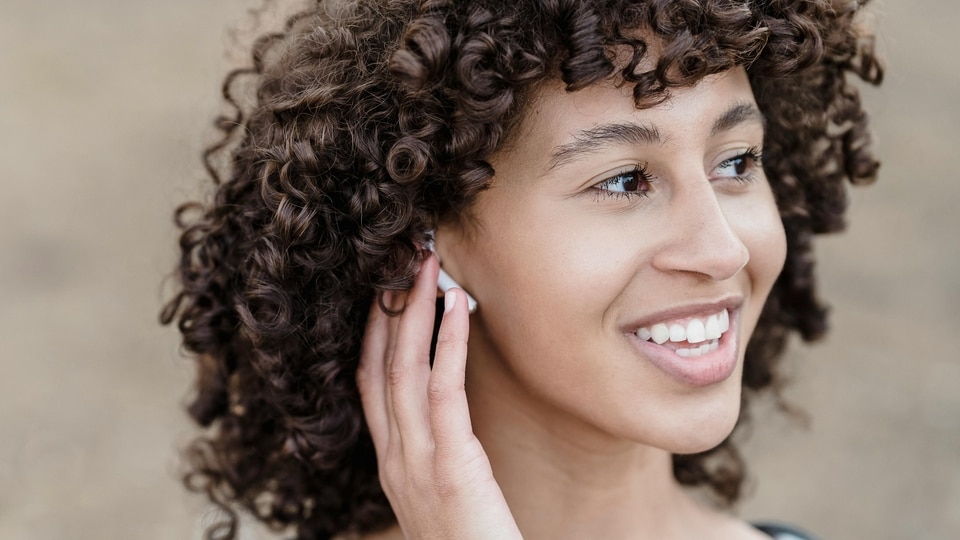
Neurosurgeon clarifies that AirPods do not increase brain cancer risk, highlighting that Bluetooth signals are significantly weaker than those from cell phones.
Can AirPods cause brain cancer? The question of whether Bluetooth earbuds increase the risk of brain cancer surfaced shortly after the device gained popularity. However, how true is this claim? In a January 4 Instagram post, Dr Jay Jagannathan, a board-certified neurosurgeon specialising in cranial and spinal surgery, cleared up doubts.
Also Read | AIIMS, Harvard and Stanford-trained gastroenterologist reveals what happens when you skip sugar for 14 days
As a neurosurgeon, Dr Jagannathan claimed that he often gets asked whether AirPods cause brain cancer. He explained, “I take brain cancer risks seriously. I’ve spent my career treating diseases people are terrified of, so I understand why headlines about AirPods and ‘radiation near the brain’ create panic.”
However, he noted that when one steps back and looks at the actual science, a few things matter far more than viral claims: “dose, exposure type, and real-world context.”
Do AirPods cause brain cancer?
According to the neurosurgeon, online claims often link music and dementia risk, claiming, “AirPods = mini microwaves near your brain. It's scary…but it mixes up what RF is and what it can do.”
He noted that despite online myths, there's no scientific link between Apple or other Bluetooth earpods and cancer. “Bluetooth devices like AirPods use non-ionising radiofrequency signals, at levels far lower than what we’ve studied for decades with cell phones. And even in large animal and epidemiologic studies, the evidence simply hasn’t shown a clear, consistent link between everyday RF exposure and brain cancer in humans.”
Additionally, he noted that AirPods communicate via radiofrequency (RF) signals (Bluetooth), which is not the same as X-rays. Moreover, he noted that dose matters a lot. “AirPods typically expose you to far less RF than a phone. The estimated range often cited is 10 -400 times lower than a cell phone. So if there were a strong signal, we'd expect to see it with phones first,” he added.
The rat study
The neurosurgeon also explained the ‘famous rat study’ – published in November 2018 in the National Toxicology Program – often cited when linking brain cancer and Bluetooth devices. He noted, “In that study: rats were exposed to high RF levels, male rats had a small increase in rare cardiac tumours, and female rats did not show the same pattern.”
Why does that not equal AirPods cause cancer? The neurosurgeon explained, “Animal studies are useful for safety questions - but: Exposure conditions can be very different from real life, results don't automatically translate to humans, and findings were not a clear, consistent ‘yes’.”
What reviewers/regulators concluded?
According to the neurosurgeon, when agencies reviewed the broader body of evidence, “There wasn't enough evidence to say RF exposure causes cancer in humans.” He added, “This is why headlines can sound stronger than the data.”
Moreover, based on current evidence, the neurosurgeon noted:
- No solid data shows AirPods cause brain cancer
- AirPods generally emit much less RF than phones
- Viral claims often skip the ‘dose + evidence’ part
As for newer research, Dr Jagannathan noted, “Some studies (including 2024 data discussed online) explored cell phones and thyroid nodules. Important context: Nodules reported were often benign (non-cancerous), and these studies focus on phones and not earbuds. This still isn't proof of brain cancer risk.”
Note to readers: This article is for informational purposes only and not a substitute for professional medical advice. Always seek the advice of your doctor with any questions about a medical condition.
This report is based on user-generated content from social media. HT.com has not independently verified the claims and does not endorse them.


Catch your daily dose of Fashion, Taylor Swift, Health, Festivals, Travel, Relationship, Recipe and all the other Latest Lifestyle News on Hindustan Times Website and APPs.


