
 E-Paper



Glioblastoma affecting young adults: Neurosurgeon shares 8 main causes of 'aggressive' brain cancer in people under 40

 Prefer HTon Google


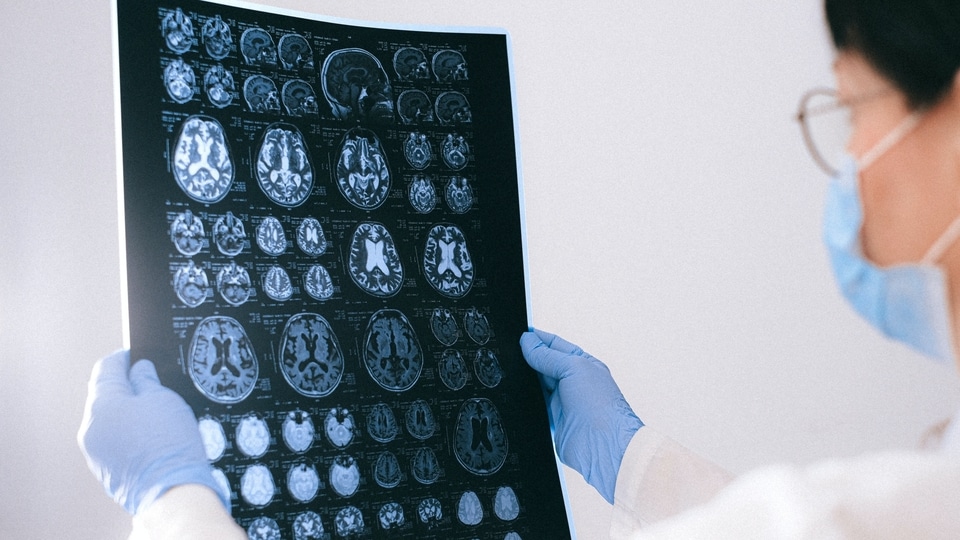
From dietary patterns to side effects of common medications, know how glioblastoma can develop in young adults.
Glioblastoma is an aggressive type of brain tumour, that has a chance of developing into cancer. In an interview with HT Lifestyle, Dr Sonal Gupta, principal director and HOD neurosurgery, Fortis Hospital Shalimar Bagh said, “It is very aggressive form of brain cancer tumor and has a median survival of 15 months after all forms of treatment, despite all medical advances.” Also read | What is glioblastoma, aggressive brain cancer that killed ex-US lawmaker Mia Love?
However, glioblastoma can affect people below the age of 40. Dr Gupta explained the main causes that can trigger glioblastoma in young adults:
1. Genetic mutations
Patients having syndromes like neurofibromatosis, turcot syndrome etc.- individuals born with genetic mutation. Also, external factors that trigger genetic mutation can lead to formation of glioblastoma. For example – electromagnetic radiation, tobacco and alcohol.
2. Radiation exposure
Ionising radiation is a recognised risk factor for many cancers. Direct damage to genetic material or the generation of free radicals in the vicinity of DNA strands results in an increased incidence of mutations within the genetic material of cells. If brain is radiated in childhood for other tumors of the brain, there is definite established risk of developing GBM (Incidence of 5-40% reported in various studies).
3. Smoking
Cigarette smoking has not been clearly linked to an increased risk of developing GBM. Because of the mixed findings, further attempts to establish a correlation or lack thereof are desirable, especially because cigarette smoke is a proven risk factor for the development of malignancies in certain organs.
4. Drugs
NSAIDs: These are one of the painkillers, antifever, anti-inflammatory group of medications, often prescribed and more often used when people self-medicate themselves.
Antiallergic: Usage of antihistaminic, type of antiallergic medication, used in asthma, skin allergy etc have been reported to be increasing the risk of GBM.
Cannaboids and statin (used to treat high cholesterol): They have shown some evidence to reduce the volume and growth rate of GBM. Also read | Brain tumour or burnout? Neurologist warns of 6 symptoms that can overlap

5. Obesity
Fat tissue in the body apart from storing nutrients has a secretory role, where it can secret estrogens and proinflammatory chemicals which have been linked to causation of GBM.
6. Heavy metals
Lead is one of the metals that can reach the brain through blood circulation or through the nose ( fibres of nerves carrying smell called olfactory fibers).
7. Dietary practices
Studies on the effects of coffee and tea on glioma risk are inconclusive. Higher intake of fat and presence of hyperlipidemia in some studies have inverse relationship with GBM occurrence and growth of the tumor. Also read | Glioblastoma Awareness Day 2022: Early signs of the deadly brain cancer
8. Alcohol
Alcohol can cross the blood–brain barrier and, therefore, can affect glial (one of the cells in the brain) cells; in addition, it is a recognised risk factor in multiple cancers.
Note to readers: This article is for informational purposes only and not a substitute for professional medical advice. Always seek the advice of your doctor with any questions about a medical condition.


Catch your daily dose of Fashion, Taylor Swift, Health, Festivals, Travel, Relationship, Recipe and all the other Latest Lifestyle News on Hindustan Times Website and APPs.


