
 E-Paper



Do blue-light glasses actually protect your eyes? Eye specialist explains if they’re worth investing in

 Prefer HTon Google



Blue-light glasses sound like a screen-time essential. But is it actually protecting your eyes? Here’s what an eye specialist wants you to know.
Blue-light glasses have turned into a genuine industry, worth well over two billion dollars globally at this point, built almost entirely on the promise of protecting eyes from screens. Look closely at what the evidence actually shows, and that promise starts looking a lot shakier than the marketing suggests. In this edition of “Is it worth it,” HT Lifestyle spoke to Dr Firdose Kouser, senior consultant, Sharp Sight Eye Hospitals, to reveal the reality behind the blue-light glasses.
Also read | Gurgaon ophthalmologist says watery eyes don’t always mean healthy eyes; dry eye disease could be the hidden cause
Do blue-light glasses work?
“Controlled trials comparing people wearing blue-light lenses against people wearing ordinary ones, doing identical screen work for a full day, have consistently found no meaningful difference in eye strain between the two groups,” highlighted Dr Kouser. That's a fairly blunt result for a product built entirely around solving exactly that problem.
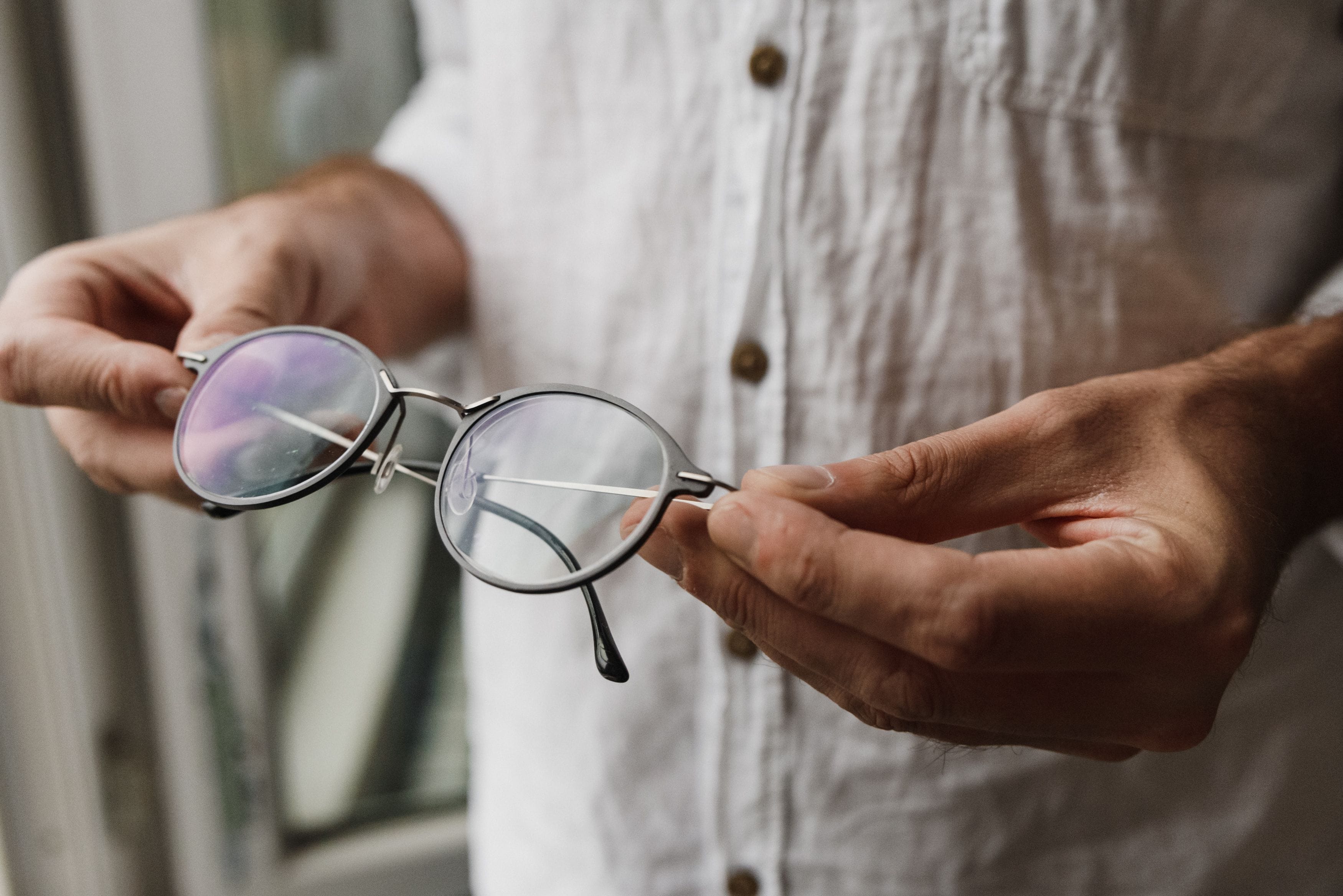
What causes eye strain?
According to Dr Kouser, the reason comes down to what's actually causing digital eye strain in the first place, and it isn't wavelength. It's blink quality: people blink less completely, not necessarily less often, while staring at a screen, which dries the eye surface out.
It's sustained focusing effort, the eye's own muscles working overtime during hours of close-range viewing. Add poor screen height, wrong viewing distance, or a prescription that's a year or two out of date, and you've accounted for nearly everything patients actually describe as screen fatigue. None of it has much to do with blue light specifically.
Do we need blue-light glasses?
However, there is one place where science leaves a little more room. “Blue light in the evening does suppress melatonin and can disrupt sleep timing, and lenses filtering that light before bed have a somewhat more plausible role there than during a nine-to-five workday,” said Dr Kouser. Even this is modest though, and dimming screens or simply cutting devices an hour before bed tends to do the same job without needing a dedicated pair of glasses at all.
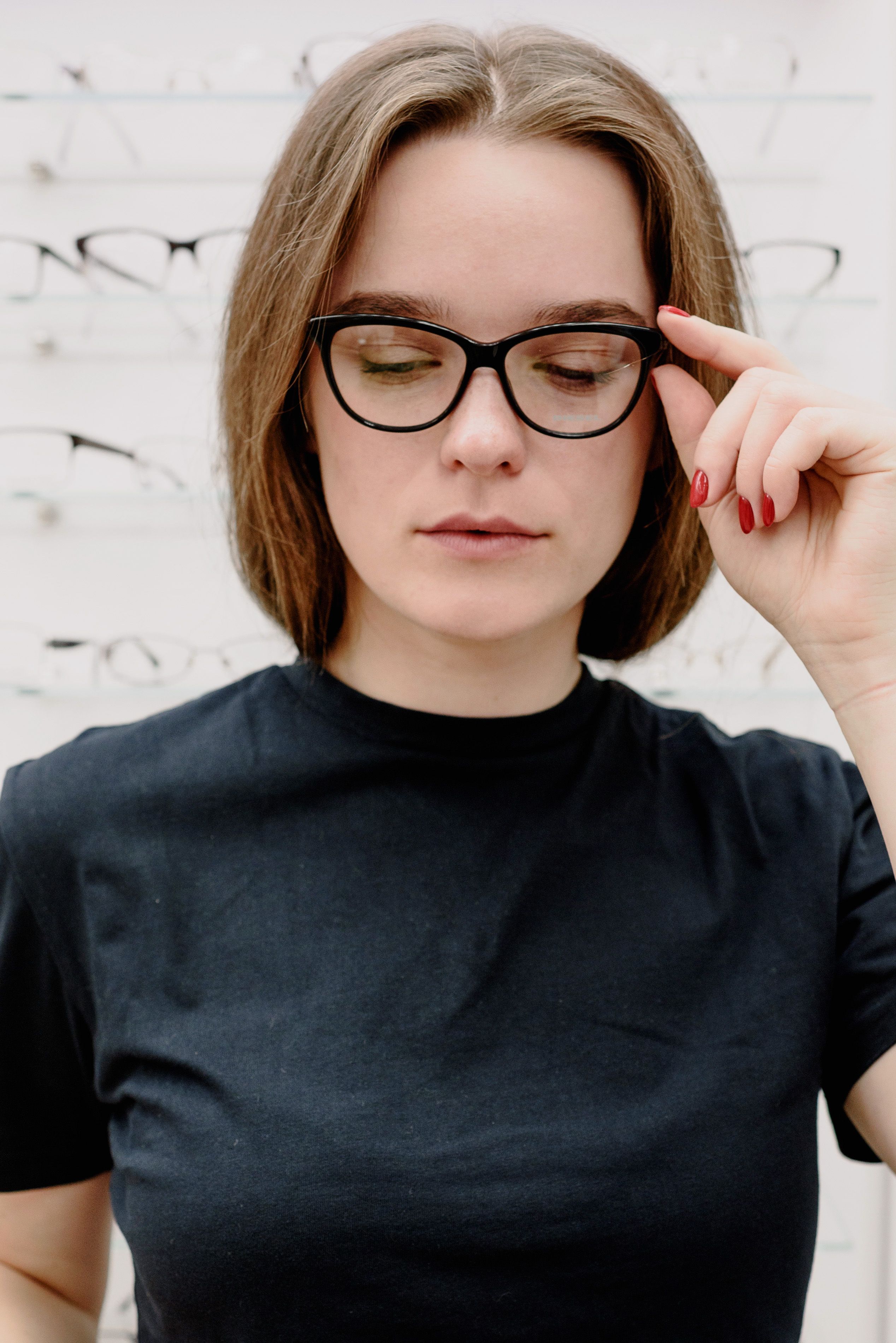
What you should do?
What actually helps daytime strain is fairly unglamorous. The 20-20-20 rule, looking at something twenty feet away for twenty seconds every twenty minutes, genuinely reduces fatigue. Deliberate, complete blinking helps more than people expect. Getting screen height and distance right, and updating an old prescription, addresses causes that blue-light lenses were never actually built to touch. The glasses aren't dangerous; they're just solving a problem that was rarely the real one to begin with.
Note to readers: This article is for informational purposes only and not a substitute for professional medical advice. Always seek the advice of your doctor with any questions about a medical condition.


Catch your daily dose of Fashion, Taylor Swift, Health, Festivals, Travel, Relationship, Recipe and all the other Latest Lifestyle News on Hindustan Times Website and APPs.


