
 E-Paper



Do mobile towers cause brain tumours? Oncologist Dr Sunny Jain explains the truth about cellphone radiation

 Prefer HTon Google


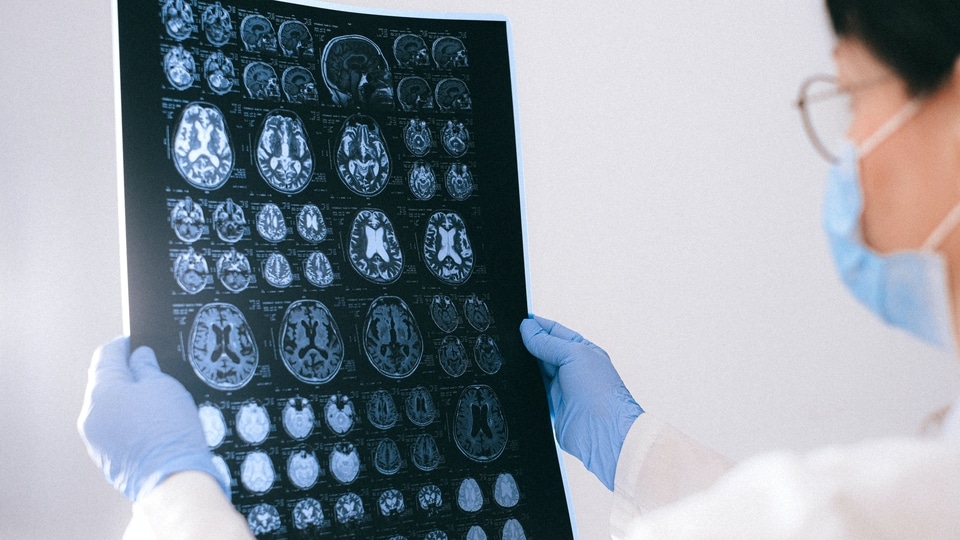
Can living near a mobile tower or using your phone for long hours cause brain tumours? An oncologist explains what science says about cellphone radiation.
If you have ever wondered whether living near a mobile phone tower or using your cellphone for long hours could increase your risk of developing a brain tumour, you are not alone. The belief that cellphone radiation causes cancer has persisted for years. In an interview with HT Lifestyle, Dr. Sunny Jain, Clinical Director and Head, Medical Oncology, Marengo Asia Hospitals Faridabad, explains why this is a myth and what science says about radiofrequency radiation.
“So far, there is no science or theory that shows or proves by any means that mobile towers in your vicinity or using cell phones can cause brain tumours. Again, this is all self-driven facts and figures or beliefs that patients keep spreading from one person to many in society. This is known as corridor knowledge. So, this is what is known as myth,” says Dr. Jain. (Also read: Want to lose fat and build muscle? Fitness coach shares 4 simple things to focus on for better body composition )
What kind of radiation do mobile phones and towers emit?
Mobile phone towers are receiving and transmitting apparatuses that facilitate communication with mobile phones. This communication takes place through radiofrequency waves, which are a type of radiation. However, not all radiation has the same properties or effects on the body. “The fact is that Radiofrequency energy from mobile towers or cell phones is non-ionizing and lacks DNA-breaking power,” Dr. Jain explains.
Ionizing radiation has enough energy to penetrate cells and damage DNA. Such genetic damage can cause mutations, which may contribute to the development of cancer. Radiofrequency waves emitted by mobile phones and towers, however, are classified as non-ionizing radiation.

Can mobile tower radiation damage DNA?
Dr. Jain says understanding the difference between ionising and non-ionising radiation is key to understanding the concerns around cellphone use and brain tumours.
“Many patients visiting my OPD often ask the question, could they have gotten cancer due to exposure to waves or radiation from being near a cellphone tower? A cell phone tower is a receiving and transmission apparatus for our mobile phones. The communication between mobile phones and towers occurs in the form of radiofrequency waves. Radiofrequency waves are a type of radiation,” he says.
“Certain types of radiation are harmful to our body because ionizing radiation can penetrate the body and damage the DNA in cells. These genetic mutations can further manifest in the form of cancer. However, radiation emitted from mobile phone towers or cell phones is radiofrequency waves, and these are forms of non-ionising radiation. Non-ionizing radiation does not have enough power to penetrate our body’s cells and damage their DNA,” Dr. Jain adds.
What does research say about cellphone use and brain tumours?
The possible health effects of radiofrequency exposure have been studied extensively across the world. According to Dr. Jain, global research, including comprehensive reviews by the World Health Organization and large-scale tracking such as the COSMOS study, has not established a causal link between mobile phone towers, cellphone use and brain tumours.
While research into radiofrequency exposure and its potential health effects continues, current evidence does not establish that living near a mobile phone tower or using a cellphone causes brain tumours. The fear around mobile phone radiation often comes from treating all forms of radiation as equally harmful. However, different types of radiation have different energy levels and biological effects.
According to Dr. Jain, radiofrequency energy emitted by mobile phones and towers is non-ionising and does not have the DNA-damaging properties associated with ionising radiation. Therefore, the claim that mobile phone towers or cellphone use causes brain tumours is a myth based on current scientific evidence.
Dr. Sunny Jain is Senior Consultant and Head of Medical Oncology in New Delhi, with over 14 years of clinical experience. He trained at AIIMS New Delhi as a Clinical Oncology Fellow and holds a DM in Oncology from Vardhman Mahavir Medical College & Safdarjung Hospital.
Note to readers: This article is for informational purposes only and not a substitute for professional medical advice. Always seek the advice of your doctor with any questions about a medical condition.


Catch your daily dose of Fashion, Taylor Swift, Health, Festivals, Travel, Relationship, Recipe and all the other Latest Lifestyle News on Hindustan Times Website and APPs.


