
 E-Paper



Experts reveal hidden signs of stress you may be ignoring and what you can do about this

 Prefer HTon Google


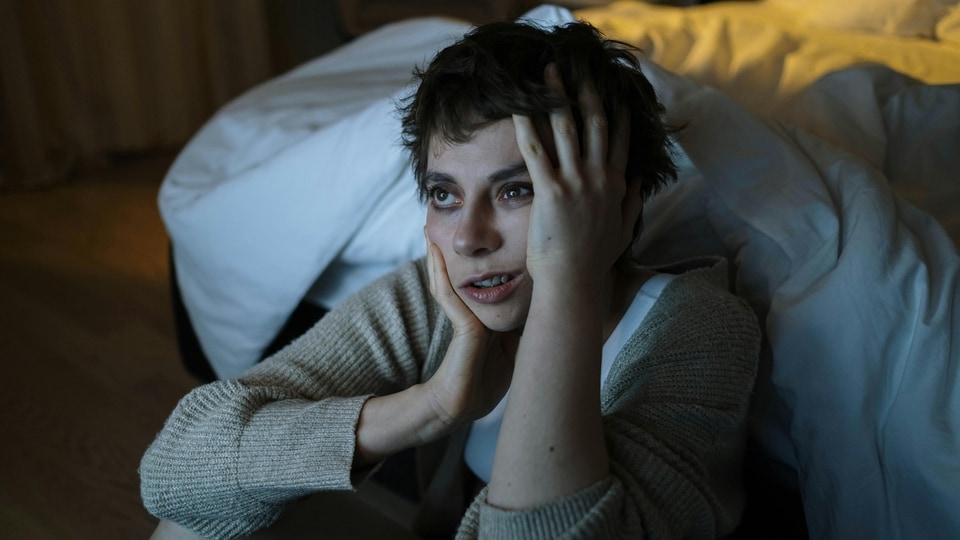
Digestive problems, changes in appetite or eating habits, headaches, fatigue or low energy: Here are some hidden signs of stress you might be ignoring.
No matter how much we try, we can't completely avoid stress. Stress can sneak up on you, and it's essential to recognise the signs before they escalate. If you’re not anxious, panicking, or overwhelmed, yet, you have acne breakouts, your hair is thinning, your digestion feels off, and your focus keeps slipping — it could mean you are stressed, according to Dr Sanchit Sharma, founder and director of Ayouthveda. Also read | Stressed? Doctor shares 12 habits to manage stress and anxiety naturally
In an interview with HT Lifestyle, he said that stress is more than just a mental state — it’s a physical experience, and it often begins silently: “While most of us associate stress with emotional strain or burnout, it often shows up in less obvious ways. And because these signs are subtle, they’re often mistaken for lifestyle issues or completely unrelated health concerns.”
According to Dr Sharma, the culprit is often elevated cortisol, the body’s primary stress hormone — it triggers excess oil production, weakens the skin barrier, and disrupts the hair cycle. Internally, it disturbs the gut-brain axis, leading to bloating, acidity, or changes in appetite. Over time, it chips away at both energy levels and emotional stability.
What is stress?
Dr Neetu Tiwari, senior resident of NIIMS Medical College and Hospital, said stress is a complicated psychophysiological response that can occur either internally or externally and is viewed as exceeding a person's coping mechanisms.
She explained, “While acute behaviours can be described as irritability, insomnia, and tension, chronic stress can appear with much less obvious signs that are frequently missed. Cognitive impairment itself is an insidious symptom. Cognitive impairment often manifests itself in attention span, working memory, and executive functions.”
She added, “These cognitive behaviours are sometimes mistakenly put down to ageing or simply distractions; however, it may also be a manifestation of HPA-axis dysregulation, with the resulting concomitant HPA-axis dysregulation, structural changes in the hippocampus may have occurred with prolonged exposure to stress hormones.”

Is your brain always tired? Do you feeling nothing?
Alma Chopra, a life coach, motivational speaker, and disability rights activist, agreed that stress can hide in subtle signs which we overlook. She said these quiet signals can slowly harm your health and happiness: “If you wake up tired after a full night's sleep or often find yourself zoning out, your body is showing signs of stress. Stress keeps your brain on high alert even during sleep, leaving you drained. Over time, it will weaken immunity and affect your ability to concentrate or retain information.”
Are those aches also caused by stress? “Tight shoulders, stiff jaws and random backaches are not just the signs of you getting older. But they usually reflect your body's way of holding stress. This kind of prolonged tension can build up and cause inflammation which has been linked to long-term health problems,” Alma said.
Alma added that stress isn’t always about chaos: "Sometimes, it shows up as nothing at all. But you can feel emotional numbness, zoning out, or detachment, which is your brain’s way of protecting itself when overwhelmed. And 49% of 18–24 year olds say that comparing themselves to others quietly builds stress that leads to feeling isolated or numb." She added, “Stress can be quiet but your heart knows when something’s wrong. Listen to yourself with kindness and give yourself the care you deserve.”
Symptoms you should be aware of
Dr Tiwari said, “Somatic symptoms without apparent medical grounds could be as chronic headaches, irritable bowel syndrome, or even chronic musculoskeletal pain may also arise from autonomic dysregulation perpetuated by chronic stress. Some skin problems, such as eczema or psoriasis, also get exacerbated by stress that probably involves some neuroinflammatory processes initiated by stress hormones.”
She added, “Instead of acute forms of stress that can alter appetite, changes related to stress dysregulation in metabolic hormones such as ghrelin or leptin allow changes to occur in a pang-free manner and lead to weight gain or weight loss. For sleep dysregulation, the effect could be non-restorative sleep or sleeping too much (hypersomnia), and sometimes represents a maladaptive response to stress reactions and can occur without anxiety or depression symptoms.”
Dr Tiwari further said, “Psychiatrically, emotional blunting (the inability or reduced ability to express emotional experiences), anhedonia (inability to derive pleasure from or enjoyment of previously pleasurable events), and loss of libido may suggest the presence of emerging stress-induced mood dysregulation that is typically overlooked or misinterpreted as simply being fatigued or experiencing typical emotional ups-and-downs. However, they may indicate a more profound neurochemical imbalance that is operating in terms of the serotonin and dopamine pathways.”

What can you do about it?
According to Alma, you can manage the stress without completely transforming your life with just small steps:
⦿ Take deep breaths and daily move your body.
⦿ Make sure you get enough sleep.
⦿ Do something you enjoy even for a few minutes.
Dr Tiwari said, “Early identification of subtle changes of this kind are critical, as the sooner you can apply appropriate interventions using a variety of evidence-based interventions (e.g., cognitive behavioral approaches, modification of lifestyles, pharmacological treatment targeting the HPA relaxed system, etc.) to mitigate stress related pathology and reduce the potential of developing worse or more advanced mental health conditions (i.e., that lead to more chronic conditions, such as major depressive disorder or anxiety disorders).”
Note to readers: This article is for informational purposes only and not a substitute for professional medical advice. Always seek the advice of your doctor with any questions about a medical condition.


Catch your daily dose of Fashion, Taylor Swift, Health, Festivals, Travel, Relationship, Recipe and all the other Latest Lifestyle News on Hindustan Times Website and APPs.


