
 E-Paper



Experts' tips on how to ease period pain with simple adjustments to your daily routine: Exercises, what to eat and avoid

 Prefer HTon Google


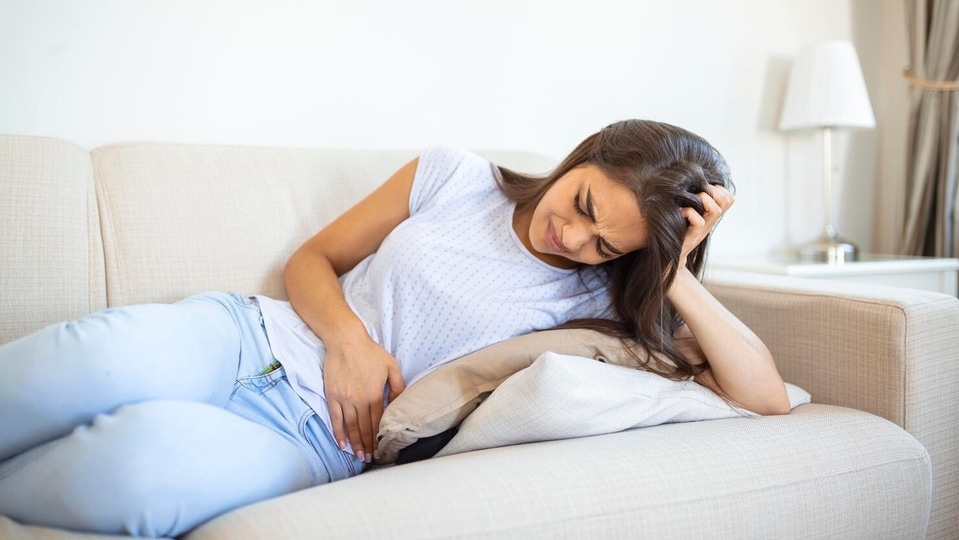
The fact that period cramps are typically short-lived is little comfort when you're in excruciating pain. Here's how to tweak your routine for maximum comfort.
Does getting your period only mean one thing: painful cramps for the first few days, which subside as the bleeding gets lighter? Then you have come to the right place, as thankfully, there are a number of things you can do that may help you find relief. Even certain ingredients in your diet can profoundly impact how you feel during your period. Also read | Severe menstrual cramps? Here's what your period pain could be telling about your mental health
If you battle cramps monthly, in an interview with HT Lifestyle, Mahipal Singh, founder and CEO of Revaa, and Dr Madhu Juneja, director, OBGY and IVF, Sahyadri Hospitals Momstory, Hadapsar Annexe, Pune, share their to-do list that can help period-proof your day.
How to manage menstrual pain better with diet
Mahipal Singh says, “Little changes to your daily schedule might greatly help you remain calm and comfortable. A well-balanced diet high in fruits, vegetables, and omega-3 fatty acids can help reduce symptoms and prevent too much agony. Foods high in iron (leafy greens, almonds, lentils) and magnesium (bananas, dark chocolate) especially help to keep steady energy levels.”

Foods and drinks to have and avoid during periods
Dr Madhu Juneja adds that changes in nutrition can be particularly helpful in easing discomfort associated with menstruation. She says, “It is proven that a combination of omega-3 fatty acids with vitamin E and B1 and a few minerals has been noted for reducing the intensity of menstrual cramps and optimising flow. Also, increasing water intake, having herbal teas like chamomile, and minimising caffeine and alcohol alongside a balanced diet, i.e. rich in iron and magnesium, would help manage cramps and energy levels.”
Additionally, lowering sodium and glucose intake can help reduce cramps, stabilise energy levels and balance mood swings, she says. Dr Juneja adds that vitamin D reduces uterine inflammation and has been proven to relieve period pain. She says, “Fruits like berries, bananas, papaya, watermelon, apples and figs will help meet nutritional needs.”
Be mindful of getting enough rest
Mahipal Singh says inadequate quality sleep is closely associated with severe menstrual symptoms. He suggests, “Try to get around seven to nine hours of peaceful sleep every night in order to enhance your level of comfort. Although stress levels in the fast-paced world of today are at an all-time high, including brief meditation sessions or deep breathing exercises during breaks helps lower tension. Always remember that your period is not a disturbance to your daily life but a completely normal aspect of your strength and core well-being.”

Exercises for different phases of menstrual cycle
Research shows that moderate workouts, including yoga and stretching, can reduce up to 80 percent of menstrual pain, Mahipal Singh says. Dr Juneja suggests mild forms of physical activities, such as yoga, tai chi, and light walking to improve blood circulation and for pain management.
According to Dr Juneja, a few exercise routines customised to different phases of the menstrual cycle can also play a key role; She says, “During the first half of the menstrual cycle, high-energy activities are ideal in the follicular phase, while gentle exercises suit the luteal phase. Advanced pain management techniques such as acupuncture can offer effective alternatives to traditional painkillers. By making these simple and strategic adjustments, one can achieve comfort and feel in control throughout their menstrual cycle.”
Additional tips
Dr Juneja says, aromatic oils and massage or acupuncture are advisable, but avoid cleansers with artificial fragrance. She adds, “Pain treatment strategies such as heat application or consuming painkillers can alleviate pain to a great extent. Moreover, physical ease can be improved through the use of comfortable and breathable apparel. Relaxation techniques can alleviate stress and maintain a positive support structure for the individual’s emotional well-being.”
She further says that regularly following up with a gynaecologist is essential in treating any health complications and protecting yourself.
Note to readers: This article is for informational purposes only and not a substitute for professional medical advice. Always seek the advice of your doctor with any questions about a medical condition.


Catch your daily dose of Fashion, Taylor Swift, Health, Festivals, Travel, Relationship, Recipe and all the other Latest Lifestyle News on Hindustan Times Website and APPs.


