
 E-Paper



Experts warn against labeling aging as disease, say it may fuel stigma

 Prefer HTon Google


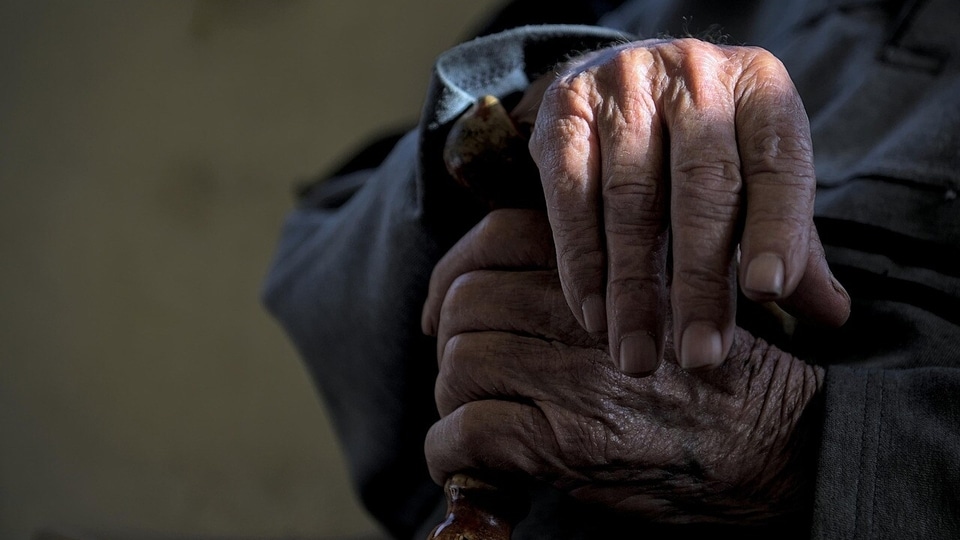
Why calling aging a “disease” can do more harm than good in an already ageist world.
Aging is a natural part of life. It happens to everyone and shapes our experiences, our identities, and our growth. But in recent years, some experts have argued that aging should be officially declared a disease. They say this would help develop new treatments, encourage more research, and make health systems take age-related issues more seriously. But there are good reasons why aging should not be called a disease and why doing so could do more harm than good.
WHO backtracks after global outrage
In 2018, the World Health Organization (WHO) added a category called “old age” to its International Classification of Diseases. Many people were outraged and called it ageist and harmful. They said simply being older is not the same as being sick. After public backlash, the WHO removed the term in 2021 and replaced it with a more neutral phrase: “ageing-associated declines in intrinsic capacities," as per The Conversation.
Why some scientists want aging classified as a disease
Biological aging does make us more likely to get cancer, hypertension, and heart disease. The same cellular changes that cause wrinkles can also cause atherosclerosis. Because of this, some scientists feel aging should be treated like any other disease. But labelling it as such ignores everything else aging represents.
Calling something a disease carries weight. It means defect, disorder and decline. It frames the condition as something to be fixed. While this can be helpful in some cases, like recognising alcoholism or differentiating dementia types, it’s dangerous when applied to a universal process like aging.
Aging is more than biological decline
Aging is not just about health risks. It’s also about wisdom, emotional growth, and personal development. Many people become happier, more emotionally balanced, and better at handling life’s challenges as they get older.
If aging were declared a disease, it would reinforce negative stereotypes. Older people already face discrimination at work, in healthcare, and in society. Some are pushed out of jobs because they are seen as “too old” while others have their medical issues dismissed as “normal aging”. Classifying aging as a disease would only make these attitudes worse, making people believe older adults are somehow “broken” or “inferior”.

Catch your daily dose of Fashion, Taylor Swift, Health, Festivals, Travel, Relationship, Recipe and all the other Latest Lifestyle News on Hindustan Times Website and APPs.


