
 E-Paper



Gaining weight? Orthopedic surgeon reveals which joint in your body gets damaged first

 Prefer HTon Google


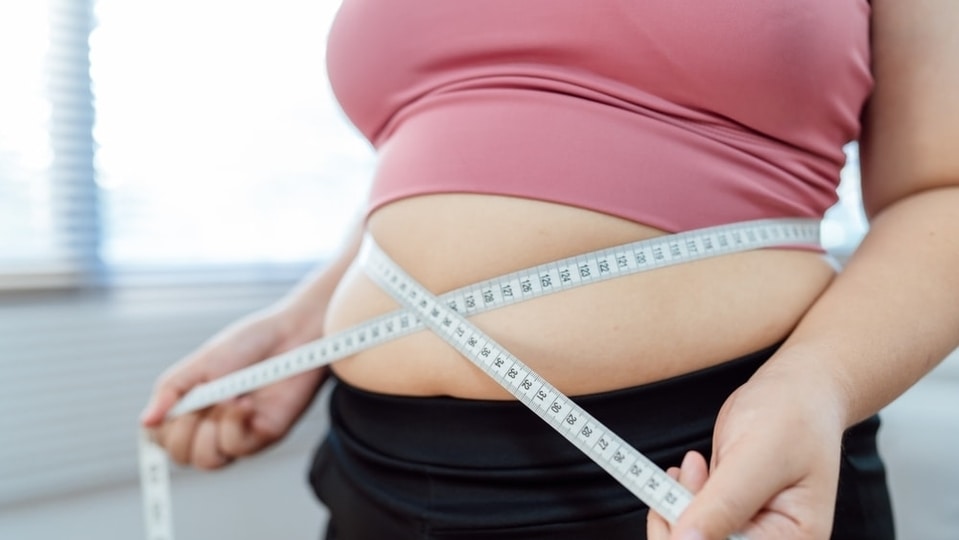
Find out which body part bears the maximum burden of the excess weight and what you can to ease the stress.
Weight gain is easily detectable. Beyond the numbers on the weighing scale, physical appearance also changes noticeably, from puffiness and double chin to protruding belly around the stomach. But aside from these visible signs, it also well known that excess weight places stress on several body parts and internal organs. Obesity puts your body in a state which acts as a trigger for many cardiovascular and metabolic ailments.
But what suffers first in the sequence of weight gain's side effects? Is there any body part that silently bears the brunt before the impact becomes more widespread? When you detect the first side effects early and intervene in time, it also serves as a warning sign that your body weight has reached a stage where it is beginning to affect your health internally. Usually, the joints bear the maximum burden of excess weight, so let's explore which one gets affected first and why it silently becomes one of the earliest warning signs of obesity-related damage.
HT Lifestyle in a conversation with orthopedic surgeon Dr Ishwar Bohra, senior director - joint replacement programme at BLK - Max Super Specialty Hospital, explored how one can identify the first bodily damage caused by obesity.
Which joint gets impacted the most?

“Obesity hits the knees hardest among all joints, turning everyday steps into silent destroyers of cartilage and bone,” Dr Bohra shed light on which joint is the first to get damaged.
We then asked the expert about how this damage shows up in patients and whether people can recognise the signs early. Generally these symptoms are ignored because they are thought to be normal, a part of ageing, or because of any injury, but they may also indicate knee-related wear and tear caused by excess weight.
“As a knee replacement surgeon with over 20 years in the operating room, I've seen countless patients limp in, blaming age, only to discover extra pounds as the real culprit." The doctor acknowledged that many mistake limping to be ageing-related.
Why does this joint get damaged?
To understand why this particular joint becomes so vulnerable to obesity-related damage, it is important to closely assess what excess body weight's pressure do to it.
The orthopedic doctor explained why knees are susceptible, “Knees act like shock absorbers for our body weight, handling three to four times that load with every stride or stair step. In obese individuals, excess fat multiplies this force, every extra pound adds roughly four pounds of pressure on the knee cartilage.”
Now you make ask whether the hips and ankles also carry the burden of excess weight. While they do share some of the load, the doctor informed that the knees take the maximum pressure because of their position. They are at the centre of the body, so they absorb the full downward impact during movement. This subsequently grinds away the smooth cartilage cushion between the thighbone and shinbone, exposing raw bone ends that begin to rub against each other and inflame.
Beside this principle rooted more in physics, there is also a biochemical process that further heightens the risk. Dr Bohra explained that obesity triggers a chemical reaction within the body as well.
"Fat tissue pumps out inflammatory chemicals called cytokines, which seep into joints and speed up cartilage breakdown. This combo, mechanical crushing plus internal swelling, makes knees deteriorate faster than other joints.”
How do patients see this build up? He mentioned that people will see stiffness first thing in the morning, then sharp pain climbing stairs or squatting. Over years, this leads to osteoarthritis, where the knee joint warps, ligaments stretch, and even the meniscus tears under strain.
Citing an example from his own practice, Dr Bohra said, “Ramesh is a 55-year-old Delhi cab driver I treated last year. At 110 kg, his knees screamed after every shift, swelling like balloons by evening. X-rays showed bone-on-bone grinding, years ahead of schedule. Weight had eroded his cartilage unevenly, misaligning the joint and sparking constant pain.”
This demonstrates that many like him delay walking, weakening thigh muscles further and trapping them in a vicious cycle.
How to prevent knee stress?
Here are some of the recommendations from the orthopedic doctor on what to do to prevent knee's wear and tear:
- Shedding 5-10% body weight eases knee pressure dramatically, slowing arthritis and cutting pain.
- Start with low-impact walks, swimming, or power yoga to build strength without pounding joints.
- Eat balanced diet: less rice and sweets, more veggies and lean protein.
Note to readers: This article is for informational purposes only and not a substitute for professional medical advice. Always seek the advice of your doctor with any questions about a medical condition.


Catch your daily dose of Fashion, Taylor Swift, Health, Festivals, Travel, Relationship, Recipe and all the other Latest Lifestyle News on Hindustan Times Website and APPs.


