
 E-Paper



Gurugram neurologist shares ‘1 simple tip’ that can save you from paralysis and long-term nerve damage: ‘Most people…’

 Prefer HTon Google


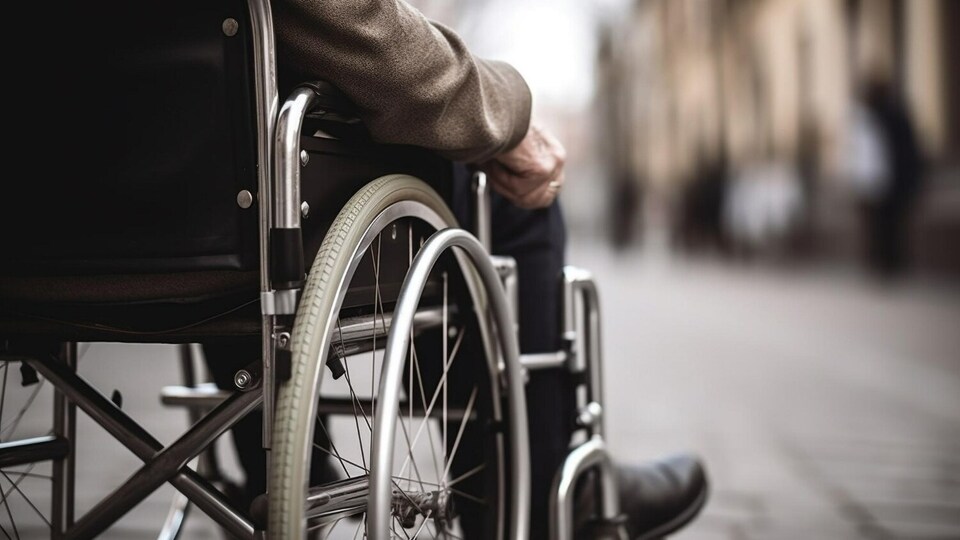
Paralysis is rarely just about what happens to the body. Neurologist Dr Priyanka Sehrawat says one early moment can quietly shape everything that follows.
Paralysis is often imagined as a sudden, life-altering condition, but in many cases, it develops due to overlooked warning signs and everyday habits. From poor posture and prolonged screen time to untreated nerve compression, small issues can quietly snowball into serious damage.
Dr Priyanka Sehrawat, Neurologist and General Physician, MD Medicine and DM Neurology (AIIMS Delhi), based in Gurugram, Haryana, shares in her February 7 Instagram post one simple habit that can significantly lower the risk of paralysis. (Also read: Nutritionist explains how Indian's ‘breakfast to dinner like a king’ habit can easily cross 4,000 calories daily )
What is paralysis
Paralysis is a condition in which a person loses the ability to move certain muscles voluntarily due to disrupted nerve signals. According to the Cleveland Clinic, this interruption in communication between the nerves and muscles can be caused by strokes, spinal cord injuries, neurological disorders such as multiple sclerosis, or conditions like Bell’s palsy, which leads to temporary facial paralysis.
What's the most critical factor in preventing paralysis
Dr Sehrawat explains that both prevention and recovery depend largely on how quickly medical care is accessed. She says there is one key factor that can help protect a person from paralysis and also prevent complications such as speech loss if paralysis has already occurred and that is time.
Stressing the importance of urgency, she says, “Whether it is a haemorrhagic stroke or an ischemic stroke, one factor can stop the condition from becoming permanent, and that is time. Timely treatment is critical.”
One simple habit that can lower the risk of paralysis
According to Dr Sehrawat, controlling blood pressure is one of the most effective ways to reduce the risk of paralysis. “Many people are already at high risk without realising it. If blood pressure is not under control, it becomes a major risk factor for paralysis,” she explains.
She adds that high blood pressure increases the risk of both haemorrhagic strokes, caused by bleeding in the brain, and ischemic strokes, which occur due to clot formation, both of which can lead to paralysis if not treated promptly.
Doctors warn that delaying medical care can result in irreversible nerve damage affecting movement and speech. Urging immediate action, Dr Sehrawat advises, “If you or someone around you experiences sudden symptoms such as paralysis or signs of stroke, you must go to the hospital immediately.”
Note to readers: This article is for informational purposes only and not a substitute for professional medical advice. Always seek the advice of your doctor with any questions about a medical condition.
This report is based on user-generated content from social media. HT.com has not independently verified the claims and does not endorse them.


Catch your daily dose of Fashion, Taylor Swift, Health, Festivals, Travel, Relationship, Recipe and all the other Latest Lifestyle News on Hindustan Times Website and APPs.


