High humidity, sudden downpours, and constant sweat can make the monsoon tough on both skin and hair. In this week’s HT Health Talk — Hindustan Times’ weekly medical advice series — Dr Shireen Furtado, senior consultant, medical and cosmetic dermatology at Aster CMI Hospital, Bengaluru, busts common rainy-season myths and answers your most pressing questions. Also read | HT Health Talk: You asked, our experts answered how to manage migraine
Skipping sunscreen because the sky is grey? Dr Furtado called that a major mistake. Washing your face non-stop when humidity spikes? Also a no, she warned.
From telling apart a regular breakout and a monsoon fungal infection, to what to do the moment you’re caught in a downpour — here’s Dr Furtado's expert advice:
1. Does washing the face multiple times a day to beat monsoon grease damage the skin?
Washing the face too often can damage the skin's natural protective barrier. During the monsoon, humidity can make the skin feel oily and sticky, but excessive cleansing can strip away natural oils, leading to dryness, irritation, redness, and even increased oil production as the skin tries to compensate. Most people should wash their face twice a day using a mild, pH-balanced cleanser. If the face becomes sweaty after outdoor activities or exercise, an additional gentle cleanse is acceptable. Avoid using harsh soaps or scrubs more than once a day. Instead, use blotting papers or gently pat away excess oil. Following cleansing with a lightweight, non-comedogenic moisturiser helps maintain healthy skin without making it feel greasy.
2. How can someone tell the difference between regular acne and rainy-season fungal acne?
Regular acne and fungal acne can look similar, but they have important differences. Regular acne usually includes blackheads, whiteheads, painful pimples, and cysts of different sizes. Fungal acne, also called malassezia folliculitis, appears as many small, uniform, itchy bumps, mainly on the forehead, chest, shoulders, and back. It often worsens during hot, humid weather because sweat and moisture promote yeast growth on the skin. Unlike regular acne, fungal acne usually does not respond to standard acne creams and may even worsen with oily products. Persistent itching and identical-looking bumps are common clues. A dermatologist can confirm the diagnosis and prescribe appropriate antifungal creams, shampoos, or oral medicines if needed.
3. Which heavy skincare ingredients should be swapped out for lighter serums in humid weather?
{{/usCountry}}Regular acne and fungal acne can look similar, but they have important differences. Regular acne usually includes blackheads, whiteheads, painful pimples, and cysts of different sizes. Fungal acne, also called malassezia folliculitis, appears as many small, uniform, itchy bumps, mainly on the forehead, chest, shoulders, and back. It often worsens during hot, humid weather because sweat and moisture promote yeast growth on the skin. Unlike regular acne, fungal acne usually does not respond to standard acne creams and may even worsen with oily products. Persistent itching and identical-looking bumps are common clues. A dermatologist can confirm the diagnosis and prescribe appropriate antifungal creams, shampoos, or oral medicines if needed.
3. Which heavy skincare ingredients should be swapped out for lighter serums in humid weather?
{{/usCountry}}During humid weather, thick creams and heavy oil-based products can feel uncomfortable and may clog pores in people with oily or acne-prone skin. It is often better to replace rich moisturisers with lightweight gel-based or water-based products. Ingredients such as hyaluronic acid, niacinamide, panthenol, and glycerin provide hydration without leaving a greasy finish. Very heavy occlusive products, such as petrolatum-based ointments or thick facial oils, may not be suitable for daytime use during the monsoon unless advised for very dry skin. People with oily skin should also choose non-comedogenic formulations. However, individuals with eczema or a damaged skin barrier may still require richer moisturisers. Skincare should always be selected based on skin type rather than the season alone.
4. Is sunscreen really necessary on gloomy, rainy days? What formula won't feel sticky?
Sunscreen remains essential even on cloudy or rainy days. Up to 80 percent of ultraviolet (UV) rays can penetrate clouds, and prolonged exposure can still contribute to pigmentation, premature ageing, and skin cancer. People who spend time outdoors or sit near windows should continue using sunscreen every day. During the monsoon, lightweight gel-based, fluid, or water-based sunscreens with SPF 30 or higher are usually more comfortable than thick creams. Look for non-comedogenic and sweat-resistant formulations if you have oily or acne-prone skin. Applying sunscreen about 15 to 20 minutes before stepping outside and reapplying every two to three hours during prolonged outdoor exposure provides the best protection. Also read | World Sunscreen Day: Everything you need to know about how sunblock works,from ideal SPF range to UV protection
5. Can moisturiser be skipped entirely when the air is super humid, or will that cause more oil?
No, moisturiser should not be skipped simply because the weather feels humid. Humidity does not replace the skin's need for proper hydration. Without a moisturiser, the skin barrier can become disrupted, leading to dryness, irritation, and sometimes increased oil production as the skin tries to protect itself. The key is choosing the right formulation. Lightweight gel-based or non-comedogenic moisturisers work well for oily and combination skin during the monsoon. People with dry or sensitive skin may still require cream-based products. Applying moisturiser immediately after cleansing helps lock in moisture and maintain healthy skin. Using the correct moisturiser supports balanced skin rather than making it oilier.
6. Can rainwater trigger breakouts? What is the best immediate skincare step after getting drenched?
Rainwater itself does not directly cause acne, but getting drenched can contribute to skin problems. Rainwater may contain dust, pollutants, and microorganisms collected from the atmosphere. Wet skin combined with sweat, humidity, and prolonged damp clothing creates an environment that can irritate the skin and encourage bacterial or fungal growth. After getting drenched, gently wash the face and any exposed skin with a mild cleanser, dry thoroughly, and change into clean, dry clothes. Apply a lightweight moisturiser if needed. Avoid sleeping with damp skin or wearing wet clothing for long periods. If breakouts, itching, or rashes continue despite proper hygiene, consult a dermatologist for evaluation and treatment.
7. Is rainy-season itching in skin folds a sweat rash or a fungal infection? How is it treated?
Itching in the skin folds during the monsoon may be caused by either a sweat rash or a fungal infection. Sweat rash usually develops when sweat ducts become blocked, causing tiny red bumps, mild itching, and a prickling sensation. Fungal infections often produce intense itching, redness, scaling, and well-defined rashes that commonly affect the groin, underarms, beneath the breasts, and between the toes. The affected area should be kept clean and completely dry. Loose cotton clothing helps reduce moisture buildup. Sweat rash usually improves with cooling measures, while fungal infections require antifungal creams or oral medicines prescribed by a dermatologist. Steroid creams should not be used without medical advice. Also read | Dermatologists Dr Saurabh Shah and Dr Tejal Manerikar explain how monsoon can also cause skin dryness, mistakes to avoid
8. Does hair oiling make monsoon dandruff and an itchy scalp worse?
Excessive hair oiling can worsen dandruff and scalp itching during the monsoon, especially in people with dandruff or seborrhoeic dermatitis. The humid environment encourages the growth of Malassezia yeast, which is linked to dandruff. Applying large amounts of oil and leaving it on the scalp for several hours or overnight may provide an environment that allows the yeast to thrive, increasing flakes and irritation. If oiling is preferred, use a small amount for a short duration before washing the hair. Washing the scalp regularly with an anti-dandruff shampoo containing ketoconazole, zinc pyrithione, or selenium sulphide can help control symptoms. Persistent itching or severe scaling should be assessed by a dermatologist.
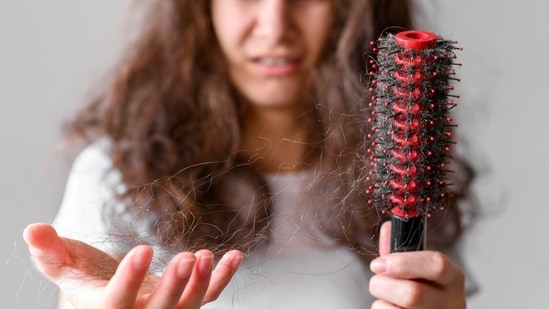
9. Is increased hair fall normal during the rainy season, and at what point should someone see a doctor?
Some people notice slightly increased hair shedding during the rainy season, and mild seasonal hair fall can be normal. Humidity, scalp infections, nutritional deficiencies, stress, and existing hair disorders may also contribute to increased shedding. However, significant hair loss is not considered normal during the monsoon. If hair fall persists for more than six to eight weeks, or if there are visible bald patches, thinning of the hairline, scalp pain, severe itching, or excessive dandruff, medical evaluation is recommended. A dermatologist can identify underlying causes such as fungal infections, telogen effluvium, thyroid disorders, iron deficiency, or androgenetic alopecia and recommend appropriate treatment based on the diagnosis.
10. Should chemical hair treatments like smoothening or colouring be avoided during the rainy season?
Chemical hair treatments such as smoothening, colouring, rebonding, or perming do not need to be completely avoided during the rainy season, but extra care is important. Humidity can reduce the longevity of some treatments and increase frizz, making results less predictable. If the scalp has dandruff, itching, fungal infection, or open wounds, chemical procedures should be postponed until the scalp has healed. Always perform a patch test before using hair colour to check for allergic reactions. After treatment, use gentle sulphate-free shampoos, condition regularly, and avoid excessive heat styling. If scalp irritation, burning, severe itching, or persistent redness develops after a chemical treatment, seek prompt advice from a dermatologist.Note to readers: This article is for informational purposes only and not a substitute for professional medical advice. Always seek the advice of your doctor with any questions about a medical condition.
Catch your daily dose of Fashion, Taylor Swift, Health, Festivals, Travel, Relationship, Recipe and all the other Latest Lifestyle News on Hindustan Times Website and APPs.
Catch your daily dose of Fashion, Taylor Swift, Health, Festivals, Travel, Relationship, Recipe and all the other Latest Lifestyle News on Hindustan Times Website and APPs.