
 E-Paper



Is your acne itching? Dermatologist reveals it may be fungal acne, shares how to tell the difference

 Prefer HTon Google


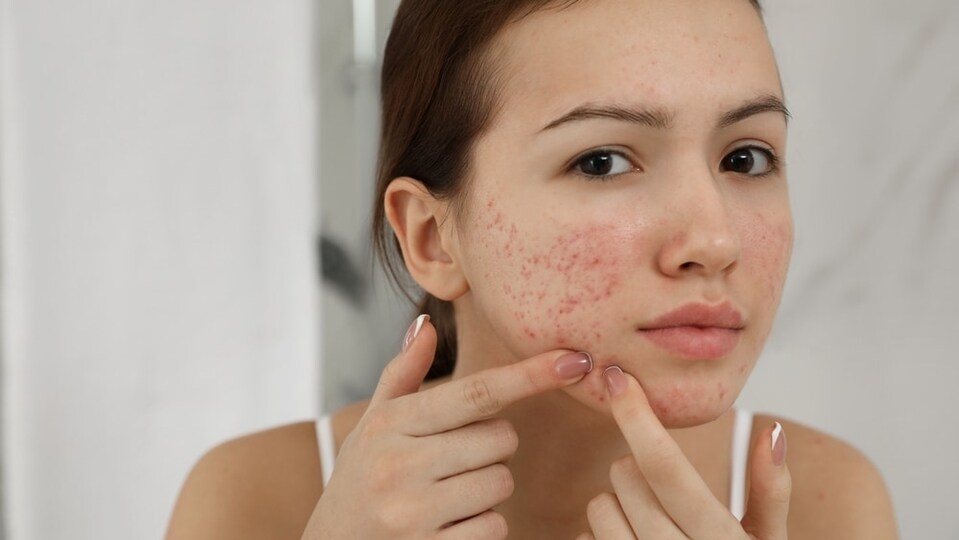
Regular acne is caused by bacteria, unlike fungal which is triggered by fungal infection. Check out how to spot the differences.
The monsoon season triggers a lot of skin conditions because of the weather conditions. One of them is fungal acne, which many people mistake for regular acne because of overlapping symptoms like breakouts and redness. In an interview with HT Lifestyle, Dr Amit Bangia, Associate Director- Dermatology at Asian Hospital, shared with HT Lifestyle how to spot the differences between regular and fungal acne.
Dr Bangia highlighted the concern of growing skin infection cases in monsoon and said, “During the monsoon, high humidity and dampness create the perfect conditions for rapid growth of microbes like bacteria and fungi. This often results in a rise in skin infections, reflected in the noticeable increase in dermatology outpatient visits across the country during this season.”
Distinguishing between regular acne, which may result from skincare missteps or hormonal imbalances, and fungal infection-related flare-ups is important, as it helps guide targeted treatment.
What is the difference between fungal and regular acne?

The big difference Dr Bangia revealed when it comes to the cause is that fungal acne is caused by yeast, which is unlike typical acne caused by bacteria. Recognising the causal difference is important as it influences the treatment approach.
He said, “Fungal acne, unlike typical acne, is brought about by an excessive amount of the yeast-like fungi Malassezia. Regular acne results from clogged pores and bacterial proliferation.”
Sharing a brief lowdown on the areas where acne typically occurs, he added, “For the unversed, acne usually arises in areas with a high concentration of oil glands, such as the T-zone (the forehead, nose, and chin). Fungal acne can appear on a variety of body areas, including those with decreased oil production.”
Knowing the distinguishing features helps in identifying these two types of acne more accurately. Dr Bangia noted, “Fungal acne commonly appears as little, itchy lumps on the face that resemble tiny pimples or whiteheads. They can also appear in other body sections like the chest, back, and shoulders. These bumps may be associated with redness and inflammation."
"Another noticeable feature is the prevalence of itchy or burning feelings. Fungal acne is often associated with significant itching, but ordinary acne may be less unpleasant,” Dr Bangia shed light on one of the prominent symptoms.
Fungal acne is more common in people with compromised immunity, he said, “such as those with diabetes or HIV, or even patients who use antibiotics regularly, which can lead to an imbalance of bacteria and yeast on the skin.”
Treatments
Treatments and management strategies differ for both conditions. Dr Bangia noted that if over-the-counter acne treatments and solutions prove ineffective, it may be a case of fungal acne. He said, “Typical acne can be treated with benzoyl peroxide or salicylic acid, whereas fungal acne requires antifungal medication.”
But since prevention is always better and monsoon increases the risk of skin infections, knowing the precautionary methods will keep you a step ahead. Dr Bangia shared, “First and foremost, people should prioritise personal hygiene, keeping skin dry by choosing breathable cotton and linen fabrics, and using antifungal powders or lotions in vulnerable regions. Bathe with mild antiseptic soaps is are extremely fundamental prophylactic measure.”
What are the skincare ingredients consumers use for acne-prone skin?
Now, when it comes to regular acne, which is very common, let’s take a closer look at the skincare ingredients that skincare enthusiasts are leaning towards. When it comes to managing regular acne, especially among people with sensitive skin, they often incorporate ingredients that help reduce breakouts without irritating the skin.
Malini Adapureddy, Founder and CEO of Deconstruct, shared insights on market trends and the key ingredients consumers are embracing for acne-prone skin.
She said, “For sensitive, acne-prone skin, the key isn't just using fewer products—it's about choosing the right ones. This means selecting ingredients that address skin concerns without causing irritation. For instance, consumers choose ingredients like Niacinamide, which can soothe inflammation and regulate oil production, while Alpha Arbutin helps fade dark spots gently over time. When used in the right concentration, even active ingredients like Salicylic Acid can cleanse effectively without stripping the skin."
Note to readers: This article is for informational purposes only and not a substitute for professional medical advice. Always seek the advice of your doctor with any questions about a medical condition.


Catch your daily dose of Fashion, Taylor Swift, Health, Festivals, Travel, Relationship, Recipe and all the other Latest Lifestyle News on Hindustan Times Website and APPs.


