
 E-Paper



Michigan neurosurgeon explains the effect of music on ageing brain: Links it to lower dementia risk

 Prefer HTon Google


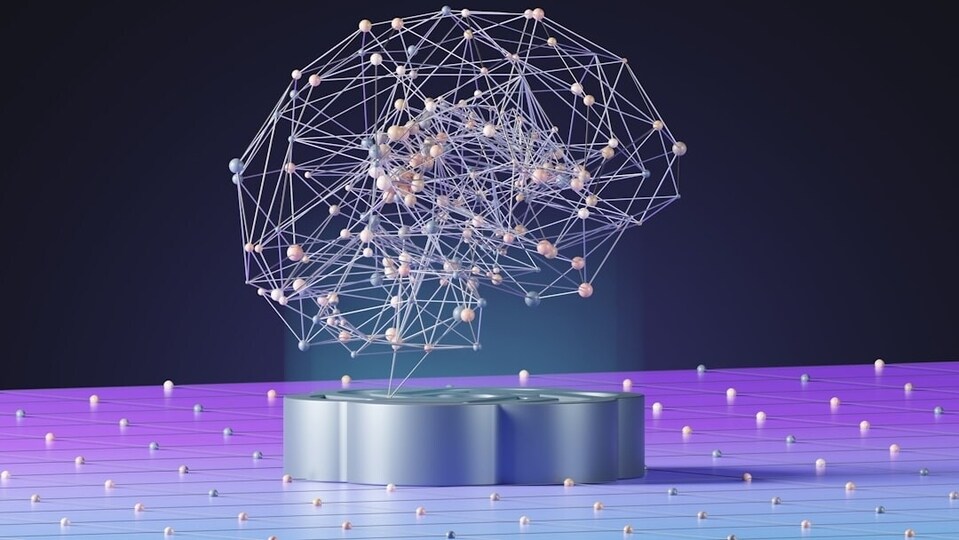
Dr Jagannathan shares how music activates networks connecting memory, emotion, attention, and movement, to boost long-term health of the brain.
The modern world is an overwhelming place to survive, let alone live. As such, we are becoming increasingly conscious of our mental health.
It is prudent to actively seek to protect the brain as we age. However, according to Dr Jay Jagannathan, a Michigan-based neurosurgeon specialising in cranial and spinal surgery, it is not simply scans, pills and regular appointments.
Taking to Instagram on 22 December, Dr Sethi elaborated on the ways listening to music affects the brain and impacts its long-term health.
“Some of the most powerful signals for long-term brain health come from daily engagement - how often we activate memory, emotion, and movement together,” he wrote in the caption.
Music, he noted, “lights up multiple networks at once, strengthens emotional recall, and keeps people mentally present - especially when paired with simple movement.”
Music and dementia risk
“Large observational studies in adults over 70 show that people who regularly listen to music have a significantly lower risk of developing dementia compared to those who rarely do,” stated Dr Jagannathan.
While we should not equate music with medicine, this does show that the brain responds to engagement and not just treatment.
Effects of music on the brain
Unlike many passive activities, listening to music activates multiple brain networks at once, including memory, emotion, attention, and movement.
As a result of different regions of the brain firing together, the connections that are important for long-term cognitive health are strengthened.
“Music is strongly tied to autobiographical memory,” shared Dr Jagannathan. “Even in cognitive decline, familiar songs can trigger recognition and emotional response.”
The emotional connection is a powerful tool to keep people not just functioning, but also mentally present.
Combining music with movement provides added benefit. By adding a motor component such as walking, stretching or lightly moving, to listening to music, the brain circuits involved in coordination and balance are further stimulated.
“The brain thrives on combined signals - sound, motion, rhythm working together,” noted the neurosurgeon.
Music is not medicine
While music helps to keep the brain healthy and active with age, it does have its limitations.
As Dr Jagannathan observed, “Music does not prevent, cure, or treat dementia. The data are observational, not proof of causation.”
Music is not a cure or a guarantee against dementia. It is simply a low-risk, accessible, and emotionally meaningful habit that “supports connection, identity, and cognitive engagement as we age.”
We take better care of ourselves when we feel joy, rhythm, and connection. And that protects the brain as well.
“Sometimes brain health isn’t about adding more medicine,” highlighted the doctor. “It’s about staying involved in the things that make you feel alive.”
Note to readers: This article is for informational purposes only and not a substitute for professional medical advice. Always seek the advice of your doctor with any questions about a medical condition.
This report is based on user-generated content from social media. HT.com has not independently verified the claims and does not endorse them.


Catch your daily dose of Fashion, Taylor Swift, Health, Festivals, Travel, Relationship, Recipe and all the other Latest Lifestyle News on Hindustan Times Website and APPs.


