
 E-Paper



North Texas dad survives sudden heart attack, urges others not to ignore warning signs during holidays

 Prefer HTon Google


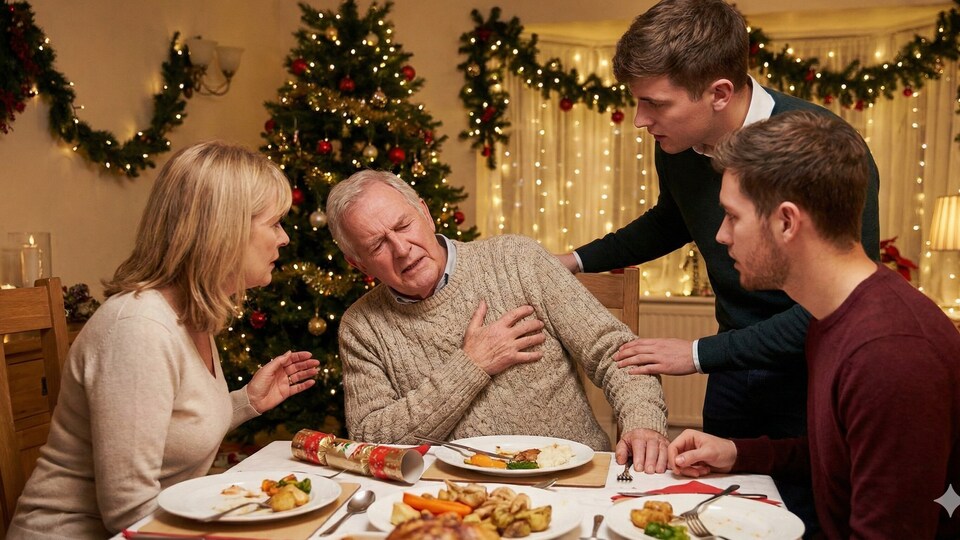
A North Texas father who survived a sudden heart attack is urging others to recognize warning signs, as doctors warn cardiac deaths spike during holidays.
A North Texas-based father, who survived a heart attack, is using his experience to urge others not to dismiss warning signs during the holiday season, a period doctors say carries higher cardiac risk than many realize.
According to the American Heart Association, more people in the United States die from heart attacks on December 25 than on any other day of the year. The days that follow - December 26 and New Year’s Day - also see a noticeable spike.
Doctors point to a familiar pattern
Bentley Heart cardiologist Dr Fahmi Farah states this happens because “people tend to deviate from their routine.” Holiday travel disrupts routines. Medications are missed. Meals tend to be heavier, salt intake rises, and alcohol consumption increases, even stress - all of it adds up, according to CBS News.
What happened to the North Texas father?
Kyle Riggs, a Fort Worth resident and father, did not consider himself at risk when his heart attack struck six years ago. He had no known family history of heart disease. He did not smoke. He exercised regularly.
At the time, the symptoms felt minor, he told CBS News. A sense of discomfort, fatigue, something easy to explain away as dehydration or muscle strain after working outdoors.
Kyle Riggs continued with his day
On the way to dinner with his family, he stopped at a grocery store to buy aspirin. Inside the pharmacy aisle, he collapsed and went into cardiac arrest.
Bystanders began CPR. A nearby fire station responded within minutes. Riggs survived, but spent three days in a medically induced coma before beginning recovery, according to CBS News.
Why holidays are different
Cardiologist Dr. Fahmi Farah, who treats patients across North Texas, says holidays create a perfect storm for cardiac events.
Diet shifts toward high-sodium foods. Alcohol intake often increases, while stress levels rise. Routine medical habits fall away. Most critically, the symptoms are ignored. People hesitate to disrupt family gatherings or celebrations. They wait. Sometimes too long.
“When it comes to a heart attack, time is life,” Farah has said and added that delays can be fatal.
Also Read: New Jersey man drops dead hours after eating hamburger, leads to shocking discovery by doctors
Warning signs doctors say not to ignore
Health officials stress that chest pain is not the only warning sign. Shortness of breath, nausea, dizziness, jaw pain, and unexplained fatigue can also signal trouble.
According to CBS News, the AHA advises:
Seek medical help immediately if symptoms appear
Learn hands-only CPR
Stick to prescribed medications
Eat and drink in moderation
Find ways to reduce holiday stress
Even simple steps, like a short family walk, can help.
FAQs
How many people die from heart attacks during the holidays?
According to the American Heart Association, December 25 records the highest number of heart attack deaths in the US.
What are common heart attack warning signs?
Chest pain, shortness of breath, arm or jaw discomfort, nausea, dizziness, and unexplained fatigue are common symptoms.
Why are heart attacks more common during holidays?
Disrupted routines, missed medication, stress, heavy meals, alcohol intake, and travel all increase cardiac strain.

Catch your daily dose of Fashion, Taylor Swift, Health, Festivals, Travel, Relationship, Recipe and all the other Latest Lifestyle News on Hindustan Times Website and APPs.


