
 E-Paper



Paediatrician explains why doctors say NO to salt, sugar, jaggery and honey till your baby turns one
Experts warn against adding salt, jaggery, or honey, in foods for babies as infants' kidneys can't handle sodium and sweet foods may impair future health.

 Prefer HTon Google


What to feed a baby after six months, often becomes a tug of war between different generations living under the same roof. Grandparents insist on a pinch of salt to “make bland food tasty”, a spoon of jaggery to “add strength", or a drop of honey to “boost immunity" - just as they did when we were babies. On the other hand, new-age parents, guided by doctors and research, resist these additions and stick to simple, unsalted, and unsweetened meals. A senior paediatrician explains that for a baby’s fragile body, what feels like a small quantity of addition, can have far-reaching consequences. And so, parents need to be mindful of what they feed their little ones.
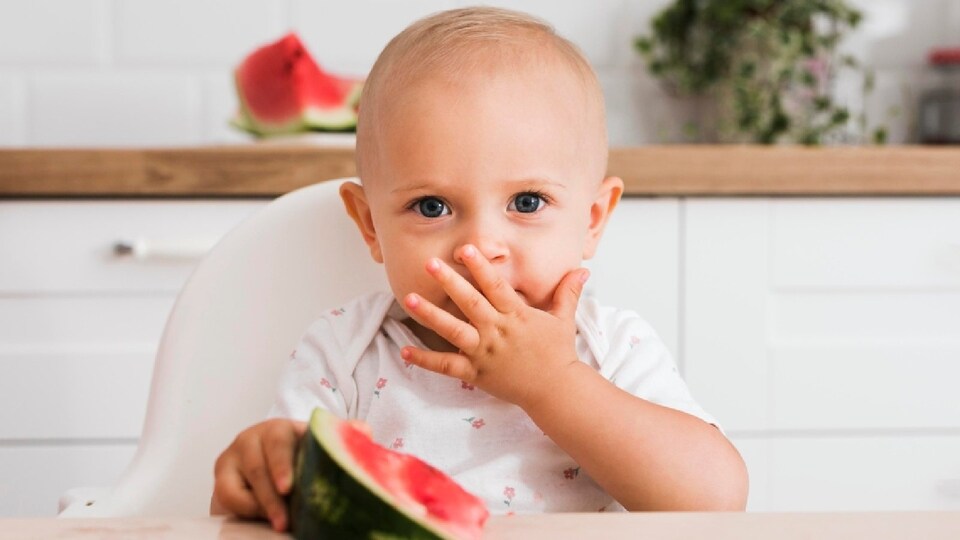

Is salt harmful for babies?
Elders may often say that food maybe tasteless for babies without salt. But the doctor explains the real reason why experts recommend avoiding salt intake for babies under 12 months old.
"Babies are born with immature kidneys. It takes time for their kidneys to develop the ability to deal with sodium. Giving them even a pinch of salt in cooked rice and lentils (dal) can put too much strain on their kidneys and may lead to kidney problems or higher blood pressure later in life," Dr Senthil Kumar Sadasivam Perumal, Senior Consultant – Neonatology and Pediatrics, Apollo cradle and children's Hospital, Bengaluru-Brookefield, tells Health Shots.
The salt intake of infants should be less than one gram per day, which is fulfilled completely from breast milk or formula. "Additional salt is not essential, and it will train babies to prefer salty foods and have poor food preferences down the road," he adds.
Is jaggery better than sugar for babies?
A lot of Indian families like to consider jaggery and honey as healthier options than refined sugar. "While both are typically less processed, but are still concentrated sources of sugar that can have negative effects on the baby," explains Dr Perumal.
"While jaggery is known for its iron content, the amount in comparison to the nutrition your baby receives from fruits, vegetables, and grains is inconsequential," the expert adds.
Babies' stomachs are delicate, and filling them with sweetened foods can crowd out nutrient-rich meals that are essential for healthy growth. Also, introducing sweet foods early may establish a preference for sweet flavours, potentially leading to inadequate diets in the future and chronic diseases (obesity, diabetes, cavities).
A latest United Nations Children’s Fund (UNICEF) study noted that the world has more obese children and adolescents (15-19 age group) than malnourished ones. In fact, obesity among children has more than doubled since 2000 in parts of the world, including South Asia. One in five children and adolescents is obese, as per data from over 190 countries.
Is it safe to give honey to babies?
Honey is not just unnecessary, but also dangerous for children, says Dr Perumal.
"Even a tiny amount of honey may contain spores of Clostridium botulinum bacteria, which cause infant botulism. This rare, but potentially fatal illness occurs because babies’ digestive systems are not mature enough to handle these spores. That’s why paediatricians strictly recommend no honey for babies under 12 months, regardless of its source or purity," he adds.
What can babies eat after 6 months?
Once a baby is six months old, parents can start giving different foods that are naturally delicious and nutritious.
- Fruits: Naturally sweet fruits such as mashed banana, apple puree, papaya, mango, chikoo, and pear also offer important vitamins.
- Vegetables: Pumpkin, carrot, beetroot, sweet potato, peas, and bottle gourd offer important nutrition and taste sweet, so they are readily accepted.
- Grains: Rice, ragi, suji, oats, and broken wheat can be cooked soft and mixed with breast milk or formula to add flavour.
- Pulses and lentils: Green gram, red lentil, and black gram without salt are good sources of protein and iron.
- Healthy fat: Small amounts of ghee, avocado, or nut powders (after ruling out allergies) help meet energy demands.
As the doctor explains: "What might seem unsalted and unsweetened for the adult palate is appropriately balanced for infants. The infant stage is essential for developing long-term health, immunity, and preferences with regard to food. Not feeding salt, sugar, jaggery, or honey is not about compromise, but protecting the developing organs of the baby and developing a healthier future."

Catch your daily dose of Fashion, Taylor Swift, Health, Festivals, Travel, Relationship, Recipe and all the other Latest Lifestyle News on Hindustan Times Website and APPs.


